Typography plays a bigger role in UX design than many designers realize. While user experience focuses on usability, accessibility, and problem-solving, the visual identity of a UX designer also contributes to how clients, employers, and collaborators perceive their expertise. A well-chosen font can communicate professionalism, creativity, innovation, or elegance before a visitor even reads a portfolio case study.
For freelance UX designers, product designers, and digital entrepreneurs, typography becomes part of personal branding. Consistent visual identity, including typography, helps build recognition, trust, and differentiation in competitive creative industries. Research on personal branding highlights that visual elements such as typography contribute significantly to how professionals are perceived and remembered.
Whether you’re designing a portfolio website, creating presentation slides, building a personal brand, or launching a UX consultancy, choosing the right font can strengthen your professional image and improve your overall brand experience.
Initial Suggestion
Before selecting a font for your UX design brand, consider the following principles:
Prioritize Readability
UX designers should demonstrate clarity and usability. Avoid fonts that sacrifice readability for decoration.
Match Your Design Personality
Different UX designers specialize in different industries. A fintech UX designer may prefer modern geometric fonts, while a luxury product designer may benefit from elegant serif styles.
Build Consistent Branding
Use the same typography across:
- Portfolio websites
- LinkedIn banners
- Case study presentations
- Business cards
- Proposal documents
- Social media content
Focus on Professional Presentation
Successful design portfolios balance personality with professionalism. Typography should support your work rather than distract from it.
Jump to Recommended Fonts
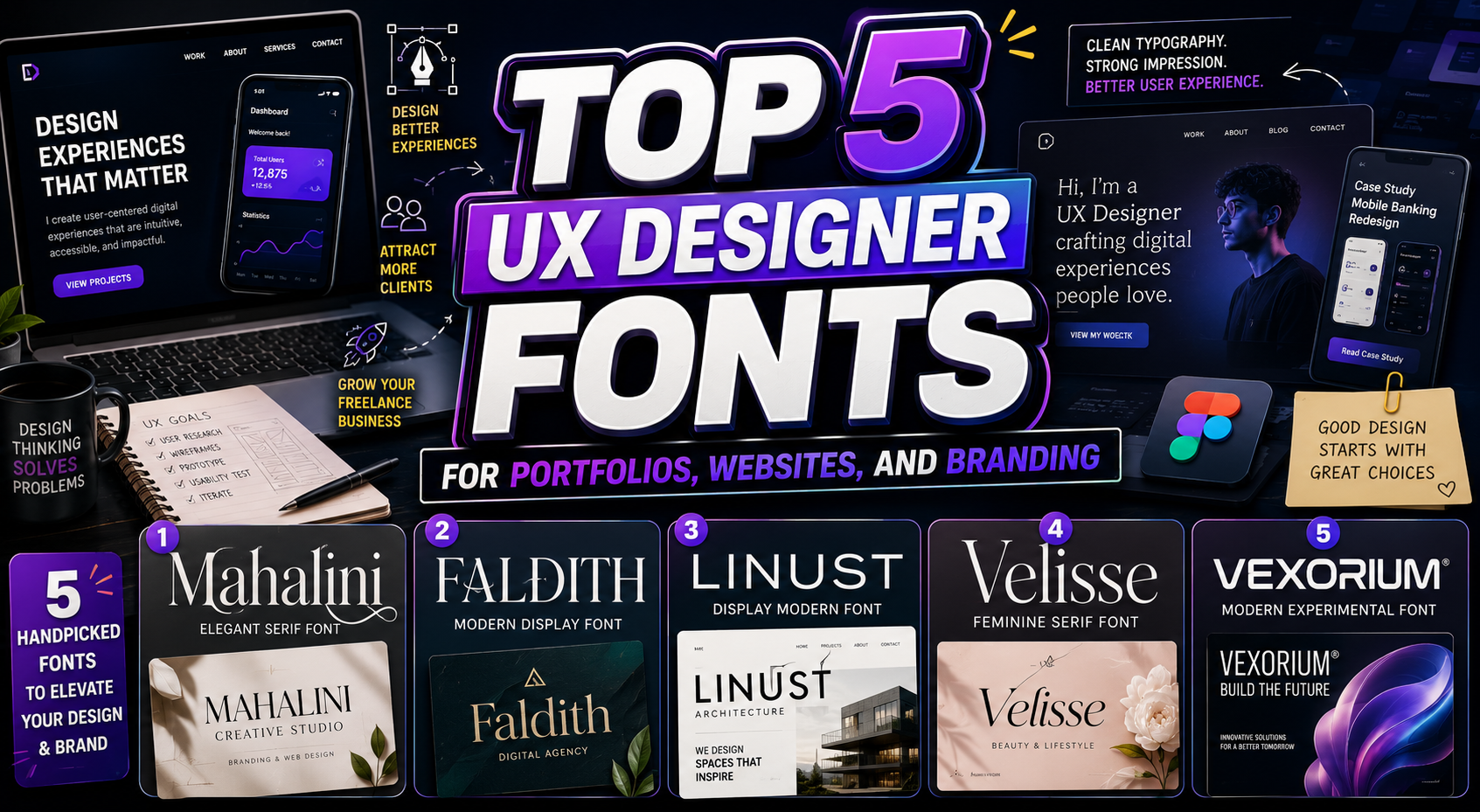
1. Mahalini

Mahalini is an elegant modern serif that offers a sophisticated balance between professionalism and personality. For UX designers working with premium brands, lifestyle products, startups, or creative agencies, this font creates a polished visual identity while remaining highly readable. Its refined letterforms make it suitable for portfolio headlines, personal websites, and presentation covers where first impressions matter.
Pros
- Elegant and professional appearance
- Strong branding potential
- Excellent for portfolio headers
- Creates premium visual perception
Best For
- UX Portfolio Websites
- Personal Branding
- Design Agencies
- Product Design Presentations
- Creative Consultants
2. Faldith

Faldith combines contemporary aesthetics with strong visual character. It provides enough uniqueness to help designers stand out while maintaining the clean structure expected in modern digital design. UX professionals who want their portfolios to feel memorable without becoming overly experimental will appreciate its versatility.
Pros
- Distinctive visual personality
- Modern and stylish appearance
- Suitable for digital portfolios
- Works across multiple branding assets
Best For
- Freelance UX Designers
- Creative Studios
- Startup Designers
- Portfolio Headlines
- Personal Websites
3. Linust Display Modern Font
Linust Display Modern Font is built around clean geometry and modern minimalism. Its structured design aligns naturally with UX principles such as clarity, hierarchy, and organization. Designers working in SaaS, fintech, AI products, or technology startups can use this font to reinforce a forward-thinking and professional image.
Pros
- Minimalist and modern
- Technology-oriented appearance
- Excellent visual hierarchy
- Highly versatile
Best For
- SaaS Portfolios
- Product Designers
- Technology Brands
- UX Case Studies
- Digital Presentations
4. Velisse Feminine Serif Font
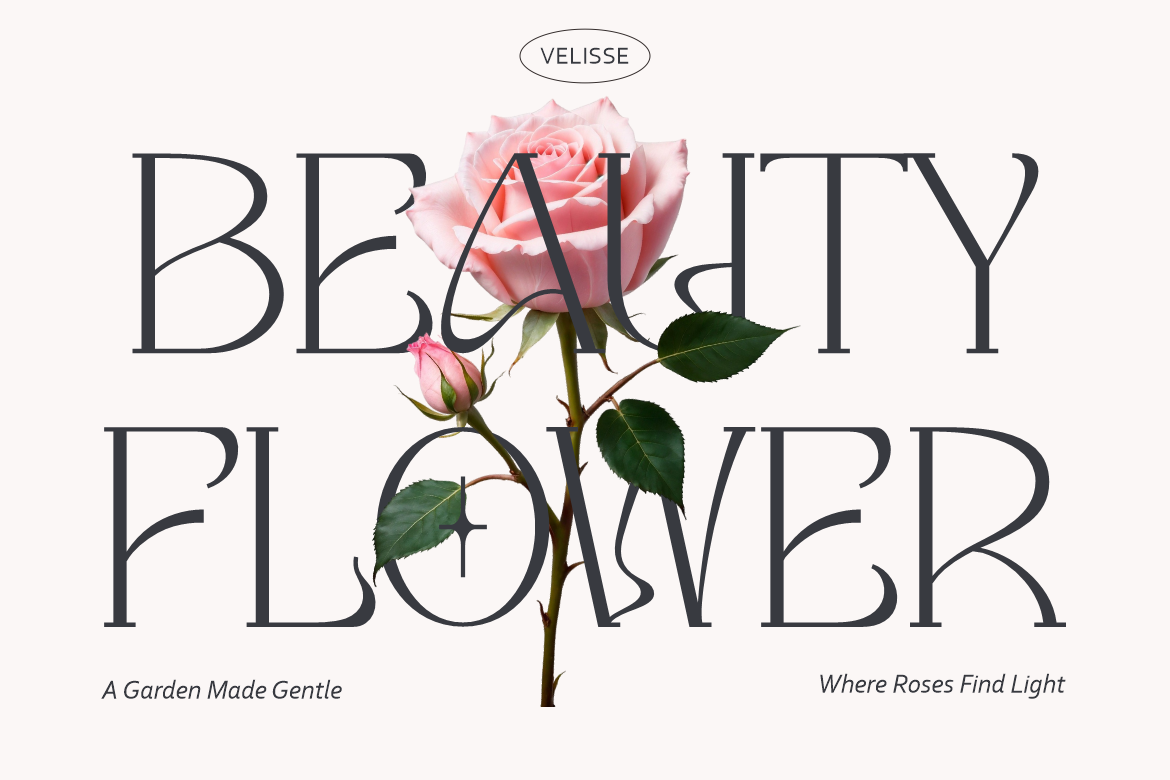
Velisse introduces elegance and refinement while maintaining excellent readability. This font is particularly useful for UX designers working within beauty, wellness, fashion, luxury retail, and lifestyle sectors. Its sophisticated serif construction helps communicate trust, quality, and attention to detail.
Pros
- Luxurious visual style
- Highly professional
- Excellent for premium branding
- Strong editorial appeal
Best For
- Beauty UX Projects
- Fashion Brands
- Luxury Products
- Lifestyle Startups
- Personal Branding
5. Vexorium Modern Experimental Font
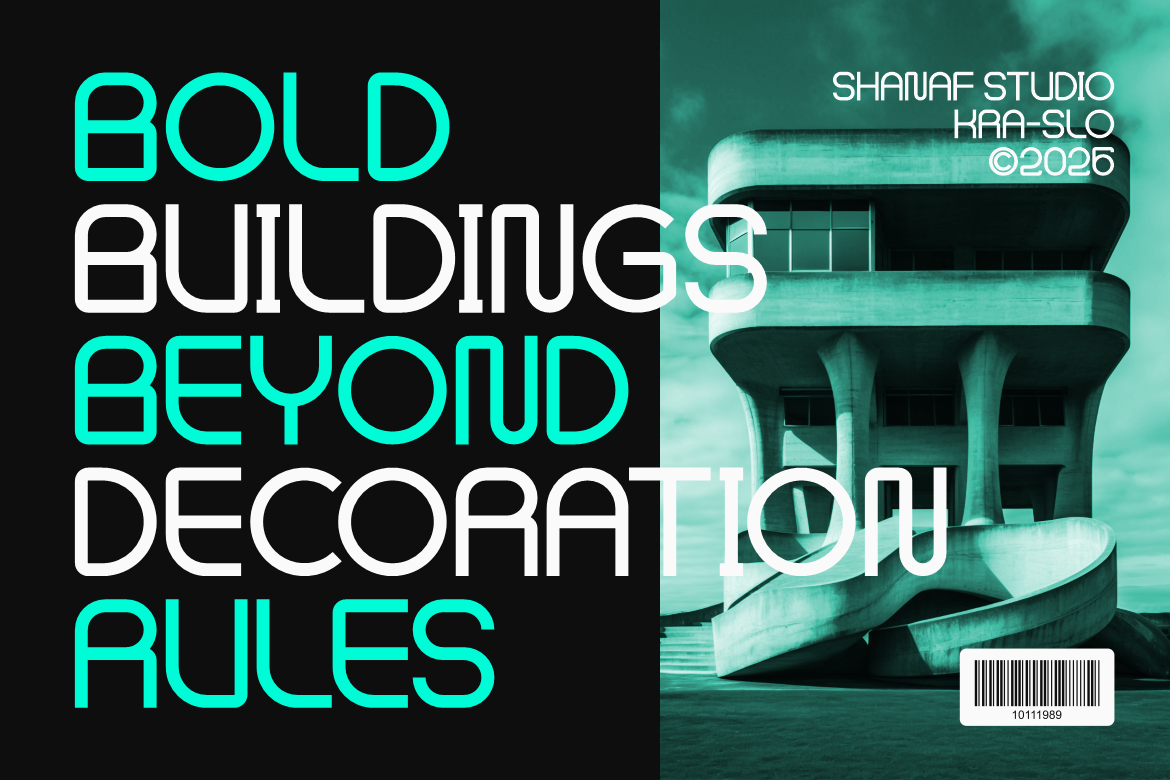
Vexorium is designed for UX designers who want to challenge conventional visual expectations. Its experimental structure helps create memorable branding while still maintaining enough clarity for professional communication. This font is ideal for designers focusing on innovation, emerging technology, AI experiences, and future-oriented digital products.
Pros
- Unique and innovative
- Strong visual impact
- Highly memorable
- Perfect for modern digital brands
Best For
- AI Startups
- Experimental Design Studios
- Technology Branding
- Future-Focused Products
- Creative UX Consultants
Comparison
| Font | Style | Professional Level | Creativity | Best Industry |
|---|---|---|---|---|
| Mahalini | Elegant Serif | Very High | Medium | Premium & Corporate |
| Faldith | Contemporary Display | High | High | Creative Services |
| Linust Display | Modern Sans | Very High | Medium | Technology & SaaS |
| Velisse | Luxury Serif | Very High | Medium | Beauty & Lifestyle |
| Vexorium | Experimental Display | High | Very High | AI & Innovation |
Which Font Should You Choose?
- Choose Mahalini for premium professionalism.
- Choose Faldith for balanced creativity.
- Choose Linust Display for modern technology brands.
- Choose Velisse for luxury and lifestyle projects.
- Choose Vexorium for innovative and experimental branding.
Common Mistake
One of the most common mistakes UX designers make when building their personal brand is choosing typography based solely on trends. While trendy fonts may look attractive today, they can quickly become outdated and may not align with the long-term image you want clients to associate with your work. A portfolio should communicate professionalism and expertise before anything else. Typography that is overly decorative or difficult to read can create unnecessary friction for visitors and distract from your actual design work.
Another mistake is using too many different typefaces across branding materials. UX professionals understand the importance of consistency in user experiences, yet many overlook this principle in their personal branding. Using one primary display font and one supporting text font often creates a more cohesive visual system. Consistency across websites, presentations, social media profiles, and case studies helps strengthen recognition and trust.
Many designers also underestimate the importance of typography as part of their overall personal brand strategy. Research on personal branding emphasizes that visual identity contributes significantly to differentiation, credibility, and professional recognition. The right font should not simply look attractive. It should reinforce your expertise, values, and design philosophy.
Conclusion
Choosing the best font for a UX designer goes beyond aesthetics. Typography influences how clients perceive your professionalism, creativity, and expertise. Whether you’re creating a portfolio, launching a freelance business, presenting case studies, or building a personal brand, the right font helps communicate your value before a single project is viewed.
Among these recommendations, Mahalini excels for premium professional branding, Linust Display shines for technology-focused portfolios, Velisse works beautifully for luxury projects, Faldith balances creativity and professionalism, and Vexorium offers a bold option for designers who want to stand out in innovative industries.
Investing in strong typography is ultimately an investment in your personal brand. For UX designers competing in a crowded marketplace, that visual distinction can make a meaningful difference in attracting clients, building authority, and growing a successful design career.
Explore these fonts and many more at PutraCetol.com to build a business identity that looks professional, trustworthy, and memorable.
Additionally, if you want to explore some free typography options, you can check out Putracetol Studio on Dafont. Happy reading and designing!