
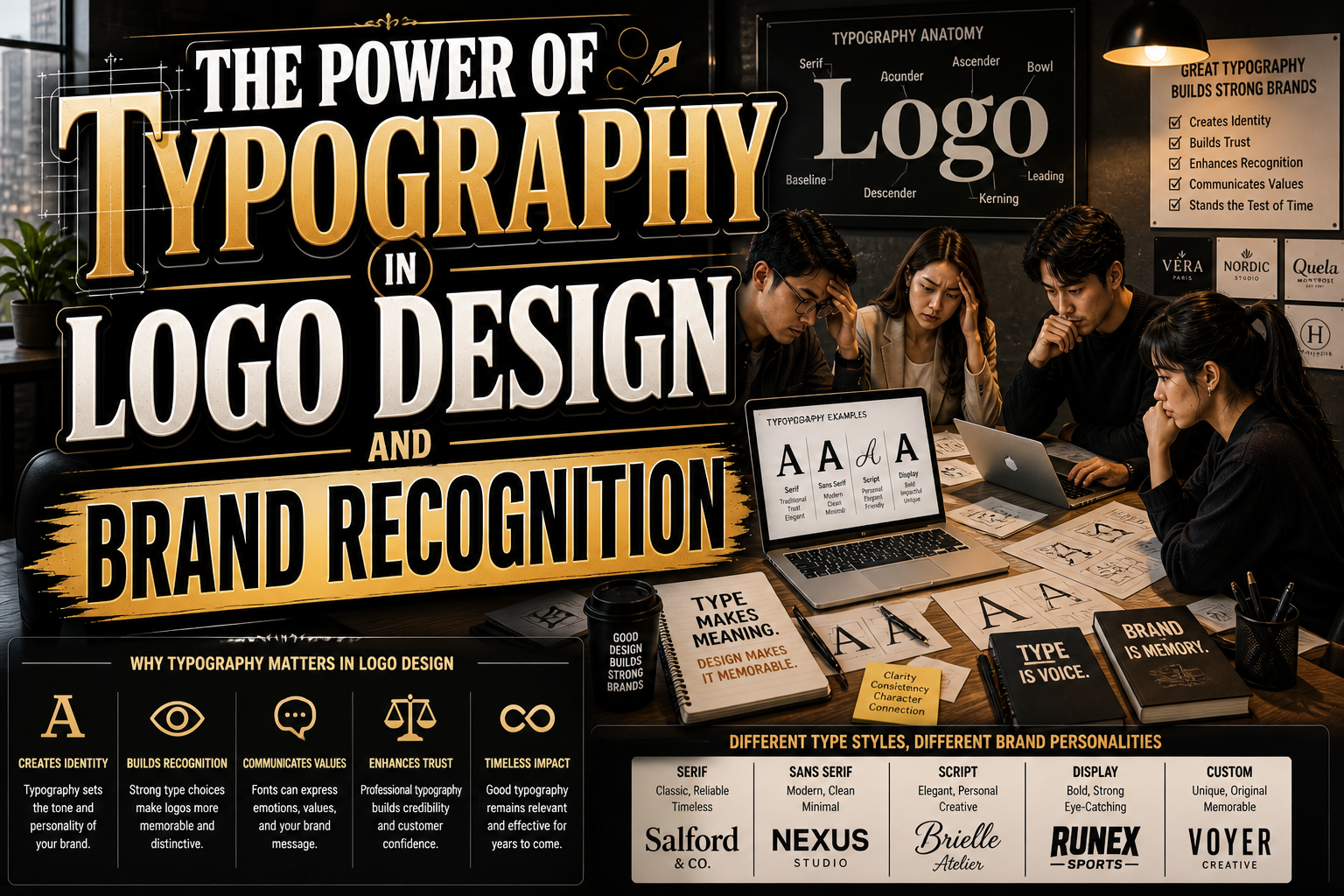
The Importance of Typography in Logo Design
Typography is one of the most powerful yet often underestimated elements in logo design. While many people focus on symbols, icons, or color palettes, the choice of type can define how a brand is perceived before any other element is processed.
Typography is not just about letters. It is a visual language that communicates tone, personality, and identity. The right typeface can make a brand feel modern, luxurious, friendly, or authoritative. This is why understanding typography in logo design is essential for building strong and memorable brands.
In this article, we’ll explore how typography shapes logo design, the principles behind effective font selection, and practical tips to help you create impactful brand identities.
Typography as a Core of Brand Identity
In many cases, the logo itself is purely typographic. Think of brands that rely entirely on their name as the visual mark. In these situations, typography becomes the logo.
Reflecting Brand Personality
Different fonts communicate different emotions:
- Elegant scripts → Luxury, sophistication
- Clean sans-serif → Modern, minimal
- Bold display → Creative, energetic
The typeface you choose should align with your brand’s character.
Flexibility Across Platforms
Typographic logos are highly adaptable. They scale well across digital and print media, from mobile screens to large signage.
Strong Brand Recognition
A unique typographic style makes your brand easier to remember. Consistent use of typography reinforces identity over time.
Key Principles of Typography in Logo Design
To create an effective typographic logo, you need to follow a few essential principles.
1. Readability
Your logo must remain clear at all sizes. If people cannot read your brand name quickly, the design fails.
2. Consistency
Typography should align with your overall branding, including colors, tone, and visual style.
3. Uniqueness
Your font choice should help differentiate your brand from competitors. Customizing or modifying type can enhance uniqueness.
4. Scalability
The logo should look equally strong on small icons and large formats.
Types of Fonts Used in Logo Design
Understanding font categories helps you choose the right style for your brand.
Serif Fonts
Serif fonts have small strokes at the ends of letters.
- Feel: Classic, elegant, trustworthy
- Best for: Editorial, corporate, luxury brands
Sans-Serif Fonts
Clean and modern, without decorative strokes.
- Feel: Minimal, professional, contemporary
- Best for: Tech, startups, digital brands
Script and Handwritten Fonts
Mimic handwriting or calligraphy.
- Feel: Personal, artistic, emotional
- Best for: Weddings, personal brands, lifestyle products
Display Fonts
Bold and expressive, designed to stand out.
- Feel: Creative, unique, attention-grabbing
- Best for: Events, entertainment, creative industries
Recommended Fonts for Logo Design
Choosing the right font can elevate your logo significantly. Here are five font styles that align with different branding directions:
Graceluxe Luxury Signature Font – Elegant and Exclusive
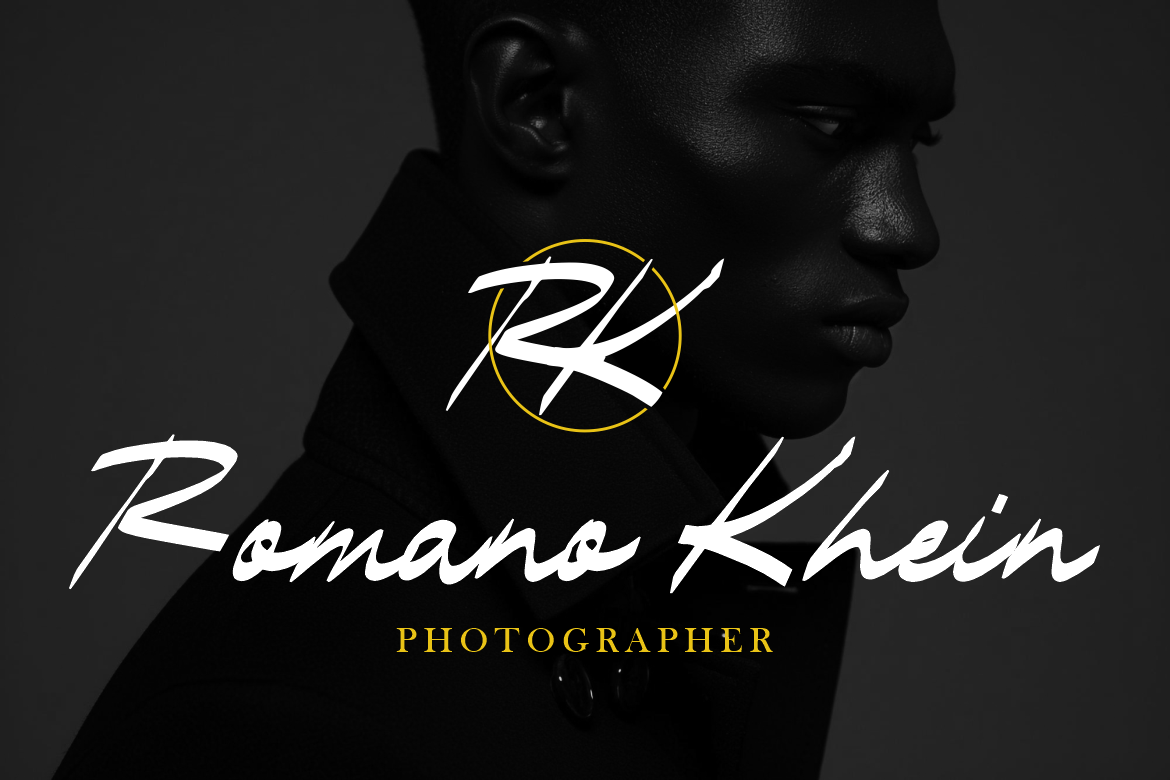
A refined script font that conveys sophistication.
Best for:
- Fashion brands
- Luxury products
- High-end services
Aristiq Signature Luxury Script Font – Personal and Premium
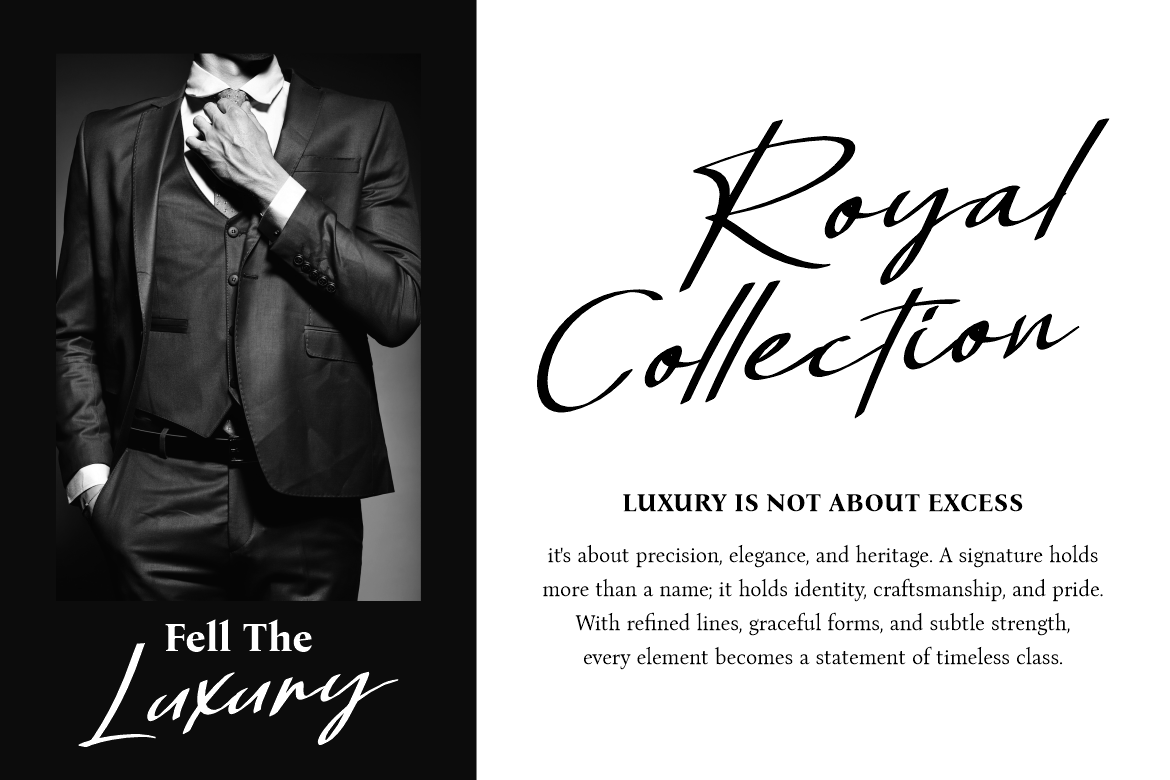
A smooth signature-style font with a premium feel.
Best for:
- Personal branding
- Wedding businesses
- Boutique services
Luxerna Display Modern Minimalist Font – Clean and Contemporary
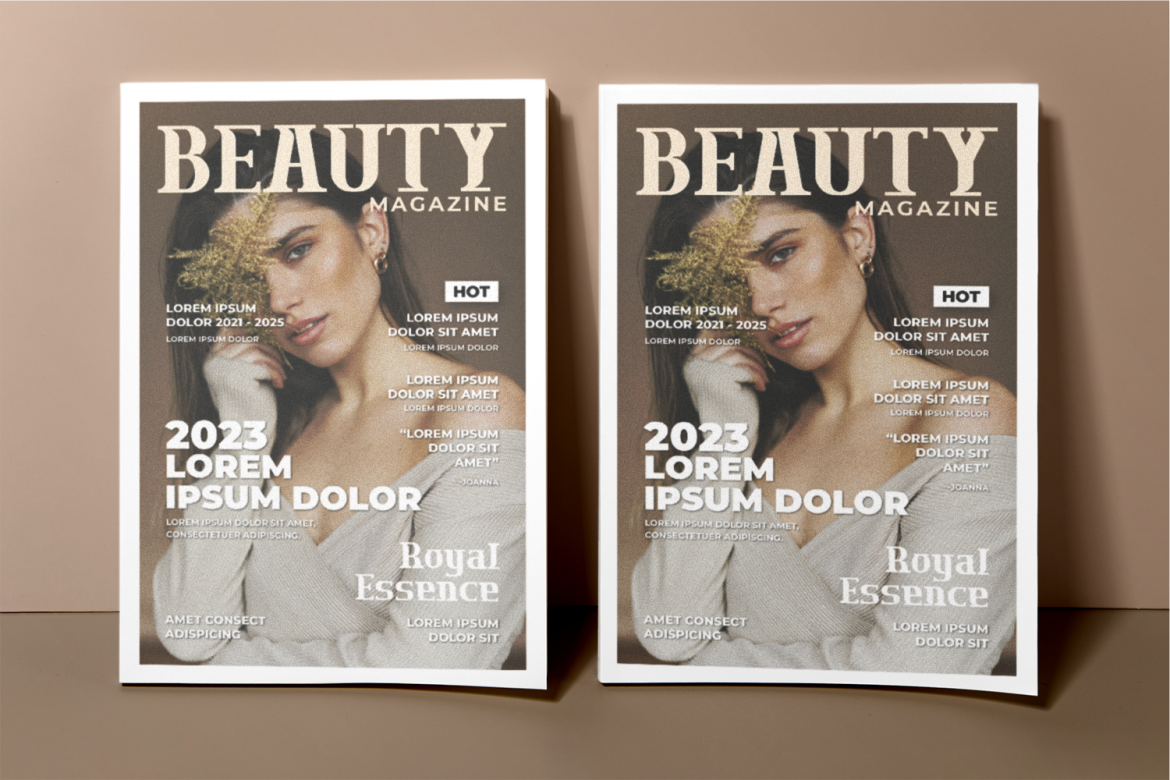
A modern display font with strong clarity.
Best for:
- Startups
- Technology brands
- Editorial design
Glamorous Carpet – Artistic and Decorative
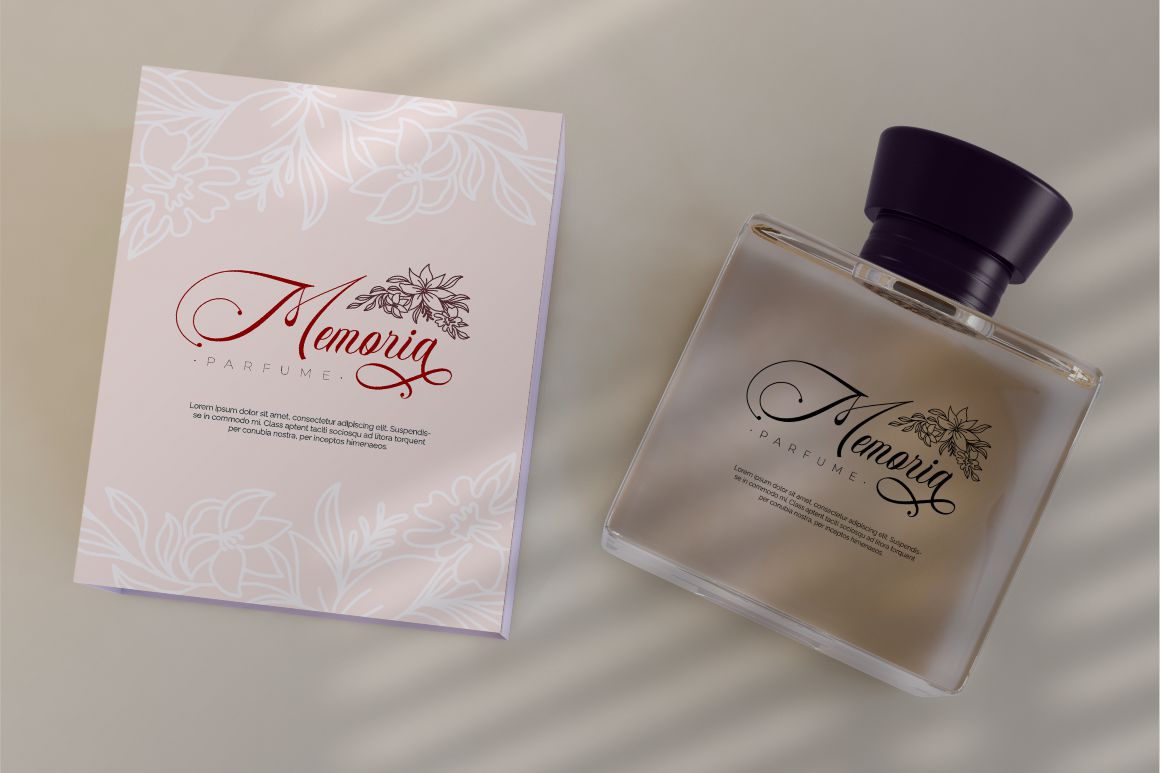
A unique font with expressive character.
Best for:
- Events
- Entertainment
- Lifestyle brands
Monaveen Luxia – Elegant Modern Serif
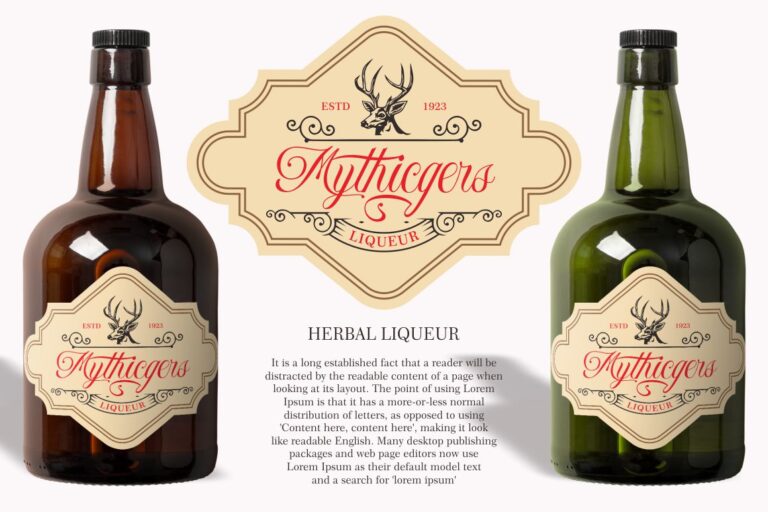
A serif font that blends tradition with modern style.
Best for:
- Corporate identity
- Editorial brands
- Premium businesses
Quick Summary Table
| Font | Characteristics | Best Use |
|---|---|---|
| Graceluxe Luxury Signature | Elegant, exclusive | Fashion, luxury |
| Aristiq Signature Script | Premium, personal | Wedding, personal branding |
| Luxerna Display Minimalist | Modern, clean | Startups, technology |
| Glamorous Carpet | Artistic, decorative | Events, lifestyle |
| Monaveen Luxia | Elegant, modern serif | Editorial, corporate |
Common Typography Mistakes in Logo Design
Even well-designed logos can fail due to poor typography choices.
Using Overly Complex Fonts
Decorative fonts may look appealing but can reduce readability.
Ignoring Digital Readability
Fonts that work in print may not perform well on screens.
Lack of Consistency
Using different fonts across branding materials creates confusion.
Following Trends Blindly
Trendy fonts can quickly become outdated, reducing long-term effectiveness.
How to Choose the Right Typography for Your Logo
Selecting the right font requires a strategic approach.
Define Your Brand Personality
Ask yourself:
- Is your brand modern or classic?
- Formal or casual?
- Premium or accessible?
Test Across Applications
Check how your logo looks on:
- Websites
- Social media
- Packaging
- Mobile screens
Consider Customization
Modifying a font slightly can create a unique identity without losing readability.
Why Typography Drives Brand Recognition
Typography is one of the most consistent elements in branding. While colors and visuals may vary, the typeface often remains constant.
This consistency:
- Builds familiarity
- Strengthens recognition
- Enhances professionalism
Over time, customers begin to associate the font style directly with your brand.
The Relationship Between Typography and Emotion
Typography influences how people feel about your brand.
- Soft curves → Friendly and approachable
- Sharp edges → Strong and bold
- Thin lines → Elegant and refined
- Thick strokes → Confident and powerful
Understanding these visual cues helps you create more intentional designs.
Final Thoughts
Typography in logo design is not just a technical choice, it is a strategic decision that shapes how your brand is perceived. The right typeface communicates identity, builds trust, and enhances recognition.
By focusing on readability, consistency, and uniqueness, you can create logos that are both functional and visually compelling. Whether you’re designing for a luxury brand, a tech startup, or a creative business, typography will always play a central role.
If you’re looking for more inspiration, creative resources, and practical design tips, visit Putracetol.com and explore creative resources that can elevate your next web project. Thank you for taking the time to read this article. If you are looking for more great articles, feel free to visit Putracetol Blog.
Additionally, if you want to explore some free typography options, you can check out Putracetol Studio on Dafont. Happy reading and designing!