

The strongest product sourcing strategies begin with a clear customer need. Many new entrepreneurs browse supplier catalogs first, choose products that look interesting, and only later try to determine who might buy them. This often produces an unfocused collection with weak margins and no recognizable brand position.
Start by defining the customer, problem, price range, product category, and reason someone would choose your offer over an existing alternative. Then create a sourcing brief that describes the product you need, rather than allowing a supplier’s catalog to decide your business direction.
Your maximum product cost should also be calculated before contacting suppliers. Subtract marketplace fees, payment charges, freight, import costs, packaging, storage, marketing, expected returns, and desired profit from the target retail price. The amount remaining is the highest sustainable sourcing cost, not simply the lowest price a supplier can offer.
What Is Product Sourcing?
Product sourcing is the process of finding, evaluating, and obtaining goods to sell. A business may purchase finished products from a wholesaler, commission a manufacturer, work with a dropshipping supplier, or create products through handmade production. Some companies combine several methods as they test demand and expand.
Sourcing is different from procurement. Sourcing focuses on identifying the right products and supply partners. Procurement covers the operational process that follows, including contracts, purchase orders, payments, shipping, and inventory replenishment.
An effective sourcing system must balance five priorities: customer demand, product quality, total cost, delivery reliability, and brand differentiation.
Choose the Right Product Sourcing Model
Manufacturing and Private Label
Direct manufacturing offers the greatest control over materials, product specifications, packaging, and branding. A manufacturer may produce a completely original product or customize an existing item as a private-label product.
This model is suitable for businesses that want stronger differentiation and are prepared to manage product development, minimum order quantities, quality control, and longer lead times. It usually requires more capital than dropshipping, but it can provide greater control over the final customer experience.
Before placing a full production order, prepare detailed specifications, request quotations, research the manufacturer, order samples, negotiate terms, and document the agreed standards.
Wholesale Sourcing
Wholesale sourcing involves purchasing existing products in quantity from manufacturers, distributors, or wholesale marketplaces. The products are stored by the retailer and sold individually at a higher price.
This method can help a business launch quickly because the products already exist. It also allows the seller to inspect inventory, control packaging, and fulfill orders directly. However, the business must invest in stock before knowing exactly how quickly every item will sell.
Wholesale works best when demand is reasonably predictable and the business has sufficient storage and cash flow.
Dropshipping
Dropshipping allows a business to list products without purchasing inventory in advance. When a customer places an order, the supplier stores, packs, and ships the item directly.
The model reduces initial inventory risk, but it also gives the seller less control over product quality, packaging, delivery speed, and the return experience. Competition can be intense when several stores sell identical supplier products.
Dropshipping is most useful for testing a niche, validating product demand, or expanding a catalog without committing to large quantities. A successful product can later be moved into wholesale or private-label production.
Handmade and Local Production
Handmade sourcing is suitable for creators who make products themselves or collaborate with local craftspeople. Examples include candles, ceramics, accessories, stationery, food products, home decorations, and personalized gifts.
This method provides strong storytelling value and greater control over creative details. The main challenge is production capacity. A maker must calculate labor, materials, packaging, rejected items, and production time instead of pricing the product based only on raw-material cost.
Clear processes, repeatable quality standards, and realistic production schedules become essential as order volume increases.
A Hybrid Sourcing Strategy
A hybrid model combines the strengths of several methods. For example, a lifestyle store could stock proven products through wholesale, test new categories through dropshipping, and develop its best-selling item as a private-label line.
This approach reduces dependence on a single business model. It also gives small companies a practical path from market testing to stronger product ownership.
How to Evaluate Potential Suppliers
Prepare a Detailed Sourcing Brief
Your sourcing brief should include product dimensions, materials, colors, functions, packaging requirements, target cost, order quantity, destination, preferred lead time, quality expectations, and required documentation.
For a custom product, include drawings, reference images, prototypes, or technical files. Avoid vague instructions such as “make it premium.” Explain what premium means through measurable specifications.
Compare Total Landed Cost
The quoted unit price is only one part of the real cost. Calculate samples, tooling, customization, packaging, freight, insurance, duties, taxes, inspection, storage, payment charges, and possible defects.
A supplier with a slightly higher unit price may be more profitable if it offers lower minimum orders, better packaging, fewer defects, or faster delivery.
Order and Test Samples
A sample helps you assess materials, finishing, dimensions, durability, packaging, and overall customer value. Test the item as a real buyer would use it. First For apparel, wash it. For packaging, test transport conditions. For accessories, check repeated use.
When comparing several suppliers, use the same evaluation criteria. This prevents an attractive photograph or persuasive sales message from replacing objective product testing.
Investigate Supplier Reliability
Review the supplier’s business history, production capabilities, references, certifications, payment terms, and communication quality. For overseas sourcing, research the commercial environment and conduct appropriate company or partner checks before signing a significant agreement. Due diligence can reduce exposure to fraud, financial loss, liability, and unsuitable business relationships.
Start With a Controlled Order
The first order should be large enough to test the process but small enough to limit risk. Monitor production accuracy, shipping time, defect rates, packaging quality, and communication.
After delivery, record the results in a supplier scorecard. Useful categories include quality, price consistency, lead-time accuracy, response speed, flexibility, and problem resolution.
Managing Suppliers as the Business Grows
A supplier relationship should be actively managed after the first successful order. Share demand forecasts, confirm production schedules, document specification changes, and review recurring problems.
Avoid relying entirely on one source for a critical product. A secondary supplier may cost slightly more, but it can protect the business when the primary source faces delays, shortages, or capacity issues. Supplier diversity is commonly used to create a broader product mix and reduce supply-chain exposure.
At the same time, do not divide orders among too many suppliers without a reason. Strong long-term relationships can improve negotiation, customization, payment terms, and production priority.
Jump to Recommended Fonts
Quervia | Velisse | Dusty Express | Vexorium | Velant
Once the right product has been sourced, its presentation must communicate the intended market position. Distinctive typography can help transform a generic item into a recognizable product line across logos, packaging, websites, catalogs, and marketplace images.
1. Quervia Elegant Serif Font

Quervia combines a structured serif foundation with graceful curves, controlled contrast, and distinctive character details. Its refined appearance can give private-label packaging and premium ecommerce brands a stronger sense of trust, heritage, and value. It is especially effective for short product names, logos, packaging headlines, and editorial-style campaign visuals.
PROS: Refined serif structure, premium personality, memorable letterforms, strong headline presence.
BEST FOR: Luxury products, jewelry, skincare, boutique food, cafés, hotels, and premium private-label brands.
2. Velisse Feminine Serif Font

Velisse uses tall proportions, smooth curves, and balanced stroke contrast to create a soft but professional identity. Its elegant rhythm works well for products aimed at beauty, wellness, fashion, weddings, and lifestyle markets. The typeface can add sophistication to logos and labels without making the brand feel distant or overly formal.
PROS: Elegant silhouette, graceful proportions, polished readability, multilingual support.
BEST FOR: Beauty products, skincare, fashion accessories, wellness brands, boutiques, and curated gift collections.
3. Dusty Express Rough Texture Font
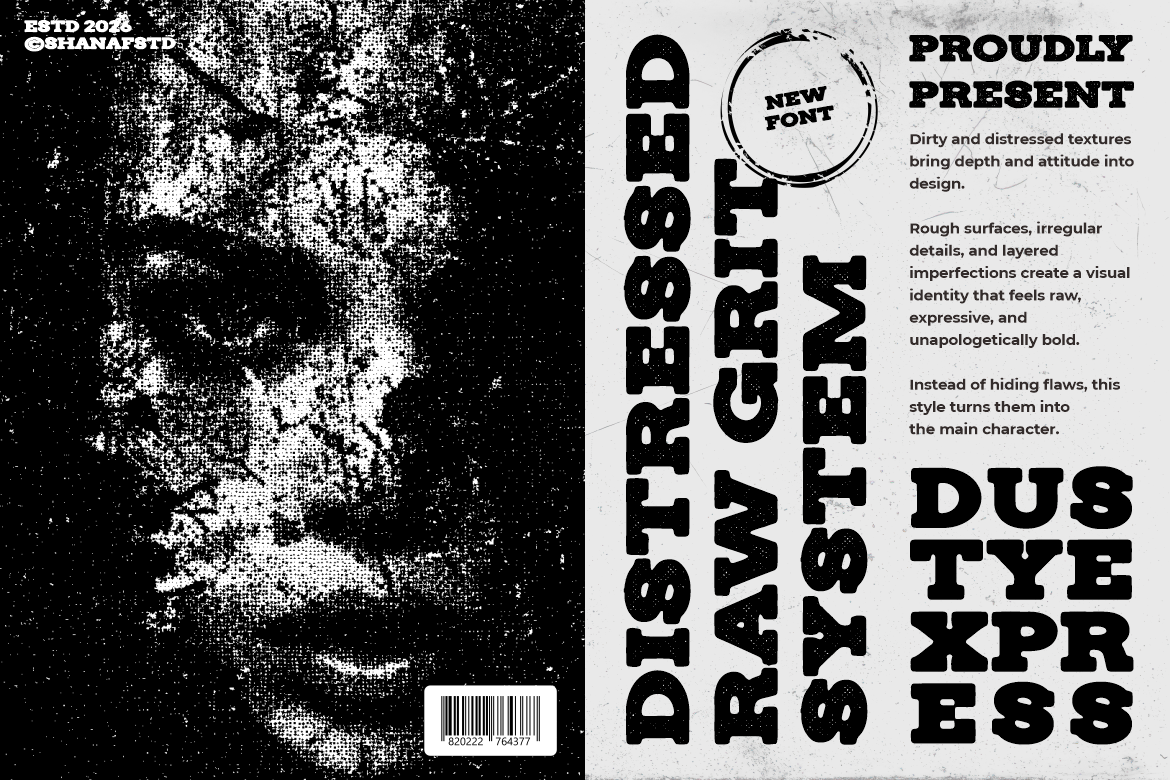
Dusty Express introduces distressed texture and a rugged vintage character that makes a product feel handcrafted and authentic. It works well when the sourcing story involves local production, natural materials, small-batch manufacturing, or traditional craftsmanship. Use it for prominent brand names and packaging statements, then pair it with a cleaner font for detailed information.
PROS: Strong texture, vintage appeal, visible personality, memorable logo potential.
BEST FOR: Craft products, coffee packaging, outdoor goods, handmade merchandise, workshops, and rustic businesses.
4. Vexorium Modern Experimental Font

Vexorium offers unconventional letter construction within a readable modern framework. Its visual personality helps digitally focused companies appear innovative without losing professional clarity. It can distinguish technology products, subscription boxes, creative tools, and direct-to-consumer brands from competitors using predictable geometric typefaces.
PROS: Innovative appearance, distinctive characters, strong differentiation, modern brand presence.
BEST FOR: Technology startups, digital products, creative agencies, modern packaging, and ecommerce brands.
5. Velant Unique Experimental Font
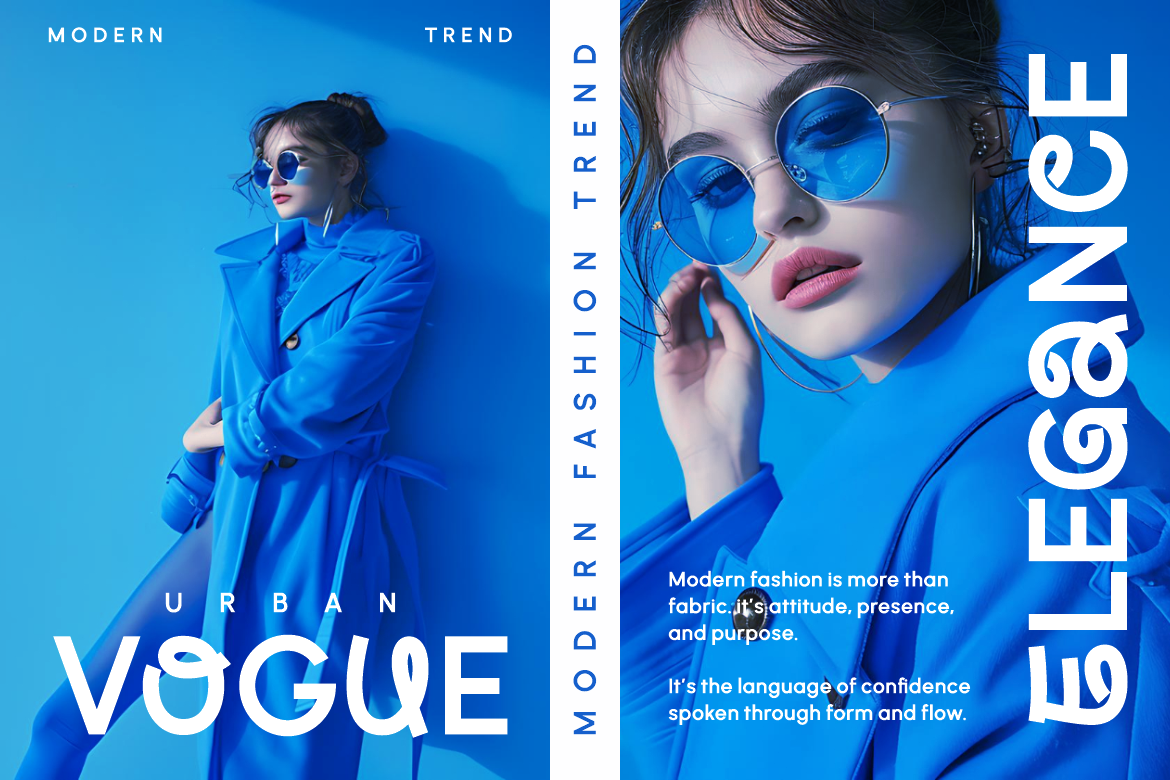
Velant combines modern simplicity with expressive visual details, making it flexible across both business and creative applications. It can give a young brand a distinctive identity while remaining useful for logos, advertisements, social graphics, and prominent packaging text. Its contemporary direction is particularly suitable for entrepreneurs building an adaptable brand across online and offline channels.
PROS: Versatile style, contemporary appearance, recognizable forms, broad branding potential.
BEST FOR: New businesses, personal brands, modern retail, creative products, social campaigns, and startup packaging.
Comparison
| Font | Visual Direction | Strongest Application | Ideal Brand or Sourcing Model |
|---|---|---|---|
| Quervia | Elegant and prestigious | Premium logos and packaging | Private label and luxury manufacturing |
| Velisse | Soft and sophisticated | Beauty and lifestyle branding | Boutique wholesale and curated products |
| Dusty Express | Rugged and handcrafted | Craft packaging and merchandise | Handmade and local sourcing |
| Vexorium | Innovative and experimental | Technology-focused identities | Direct-to-consumer and custom products |
| Velant | Modern and versatile | Startup logos and digital campaigns | Hybrid sourcing and emerging brands |
Common Mistakes in Product Sourcing
The most common mistake is choosing a supplier solely because the quoted unit price is low. A cheaper product can become more expensive after shipping, import costs, damaged inventory, inconsistent sizing, weak packaging, and customer returns are included. Price should always be evaluated together with quality, lead time, minimum order quantity, communication, and reliability. A sourcing decision is successful only when the product remains profitable after every operational cost has been considered.
Another mistake is placing a large order before testing samples and verifying the supplier. Product photographs can hide material quality, inaccurate colors, weak construction, or packaging problems. Entrepreneurs also create unnecessary risk when they depend on one supplier without documenting specifications or identifying alternatives. Samples, written standards, controlled first orders, and basic supplier due diligence create a much safer foundation than verbal promises.
The final mistake is sourcing products without a clear brand strategy. A store filled with unrelated trending items may generate occasional sales, but it is difficult to build recognition or customer loyalty around it. Product selection, packaging, typography, photography, pricing, and customer service should communicate the same position. The sourcing model determines how the product is obtained, while branding determines why customers should choose it.
Conclusion
Effective product sourcing strategies connect customer demand with reliable supply, sustainable costs, consistent quality, and a distinctive brand experience. Manufacturing provides greater control, wholesale supports faster retail launches, dropshipping reduces initial inventory commitments, and handmade production creates authenticity. A hybrid approach can combine these advantages as the business develops.
Begin with a clear sourcing brief, calculate total landed cost, compare samples, investigate suppliers, and test the relationship through a controlled order. Then support the product with professional visual branding.
Fonts from PutraCetol Studio can help communicate the character behind the product, whether the brand needs premium elegance, feminine refinement, handcrafted texture, modern innovation, or experimental energy. Strong sourcing creates a product customers can trust, while strong typography gives them a brand they can remember.
Explore these fonts and many more at PutraCetol.com to build a business identity that looks professional, trustworthy, and memorable.
Additionally, if you want to explore some free typography options, you can check out Putracetol Studio on Dafont. Happy reading and designing!