

Effective Food Packaging Design
Food packaging is no longer just a protective layer for products. In today’s competitive market, packaging has become one of the most important branding tools for businesses. A strong packaging design helps products stand out on crowded shelves, improves customer trust, and creates memorable visual identity.
Consumers often make purchase decisions within seconds. This means packaging must immediately communicate:
- Quality
- Flavor
- Brand personality
- Professionalism
- Product value
This is why effective food packaging design combines aesthetics, readability, functionality, and branding strategy into one cohesive visual experience.
Whether it’s coffee packaging, snack branding, bakery products, beverages, or premium gourmet items, typography and visual design play a critical role in attracting customers and strengthening brand recognition.
In this article, we’ll explore practical strategies for creating effective food packaging design, discuss popular packaging trends, highlight common mistakes, and recommend several typography styles from Putracetol that work beautifully for modern food branding.
Why Food Packaging Design Matters
Packaging is often the first interaction customers have with a product.
Before consumers taste the product itself, they judge:
- Packaging quality
- Typography
- Colors
- Layout
- Visual professionalism
Good packaging creates confidence and emotional connection.
Packaging Influences Purchase Decisions
Consumers naturally gravitate toward products that:
- Look clean
- Feel professional
- Communicate quality clearly
Strong packaging design improves:
- Shelf visibility
- Brand recall
- Product appeal
which directly affects sales performance.
Packaging Builds Brand Trust
Professional packaging signals:
- Product reliability
- Hygiene
- Attention to detail
- Brand consistency
Poor packaging, on the other hand, can reduce customer confidence even if the product quality is excellent.
Key Elements of Effective Food Packaging Design
Successful food packaging balances branding and functionality.
1. Clear Branding
Brand identity should immediately stand out.
Customers should quickly recognize:
- Brand name
- Product category
- Product personality
Strong branding creates long-term recognition.
Typography as Brand Identity
Typography communicates emotional tone.
For example:
- Bold fonts feel energetic
- Minimal fonts feel premium
- Retro fonts feel nostalgic
- Handwritten fonts feel personal
This is why font choice strongly impacts packaging success.
2. Easy-to-Read Information
Consumers should easily find:
- Product name
- Flavor
- Ingredients
- Instructions
- Expiration date
Poor readability creates frustration and weakens trust.
Importance of Typography Hierarchy
Packaging should guide attention clearly through:
- Headlines
- Product names
- Supporting information
- Details
Strong typography hierarchy improves shopping experience.
3. Attractive Visual Design
Packaging should visually match the target audience.
Good packaging creates emotional connection through:
- Color palettes
- Typography
- Layout
- Photography
- Illustrations
Popular Food Packaging Design Trends
Modern food packaging continues evolving with consumer preferences and branding trends.
Minimalist Packaging Design
Minimalist packaging focuses on:
- Clean layouts
- Limited colors
- Spacious composition
- Simple typography
This style feels:
- Modern
- Premium
- Professional
Recommended Font: Compacture Condensed
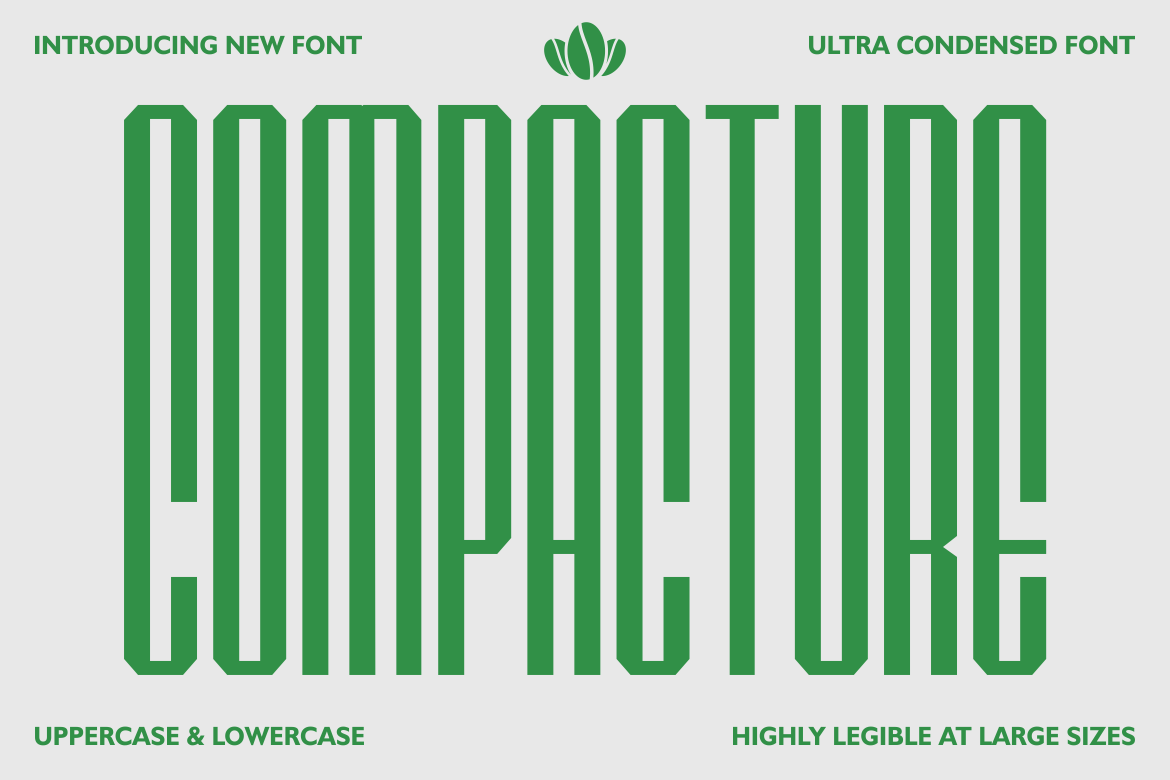
Compacture Condensed offers sleek and modern typography with excellent readability.
Why It Works
The font feels:
- Elegant
- Minimal
- Refined
making it perfect for minimalist food branding.
Best For
- Premium snacks
- Organic products
- Luxury beverages
Bold & Colorful Packaging
Bright and energetic packaging attracts attention quickly.
This style commonly uses:
- High contrast colors
- Thick typography
- Dynamic layouts
Recommended Font: Crust Cream Bold
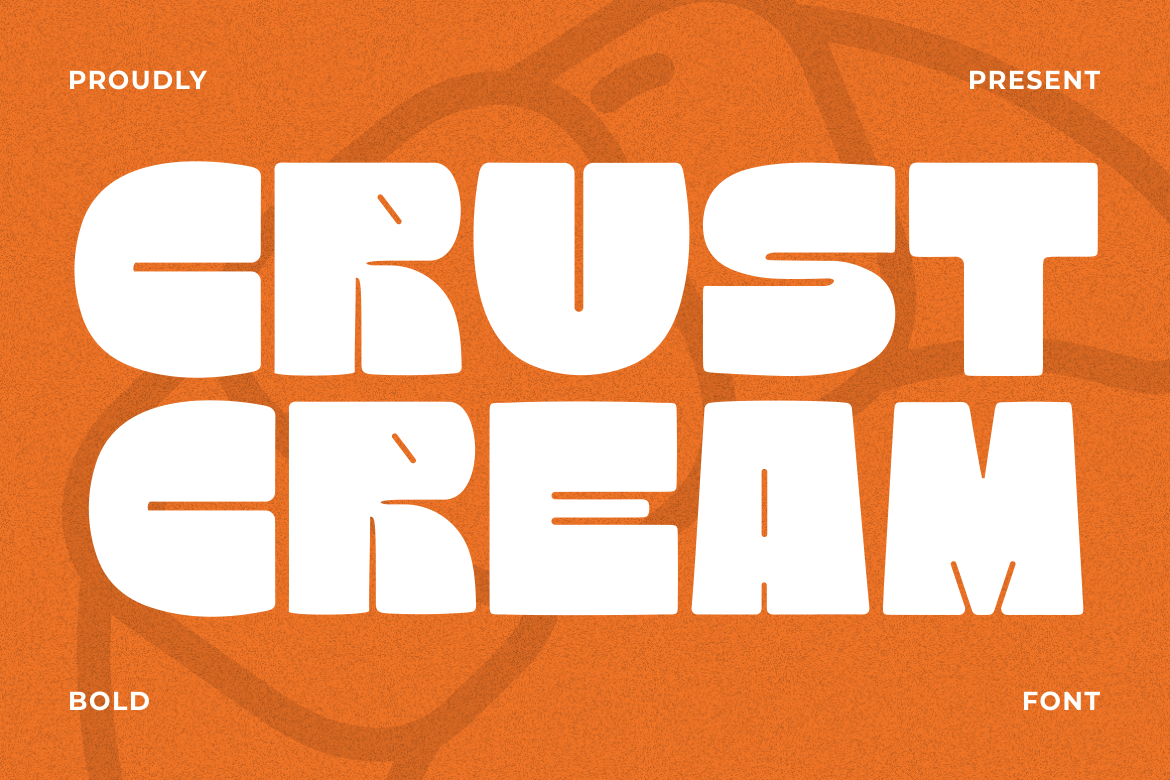
Crust Cream Bold delivers playful and energetic visual personality.
Why It Works
Its thick letterforms create:
- Strong shelf visibility
- Fun atmosphere
- Youthful branding
Best For
- Coffee packaging
- Casual snacks
- Dessert products
Eco-Friendly Packaging Design
Sustainable packaging has become increasingly important for modern consumers.
Eco-friendly packaging usually features:
- Natural textures
- Earth-tone palettes
- Simple typography
- Minimal waste design
Recommended Font: Moltar Retro Reverse Contrast
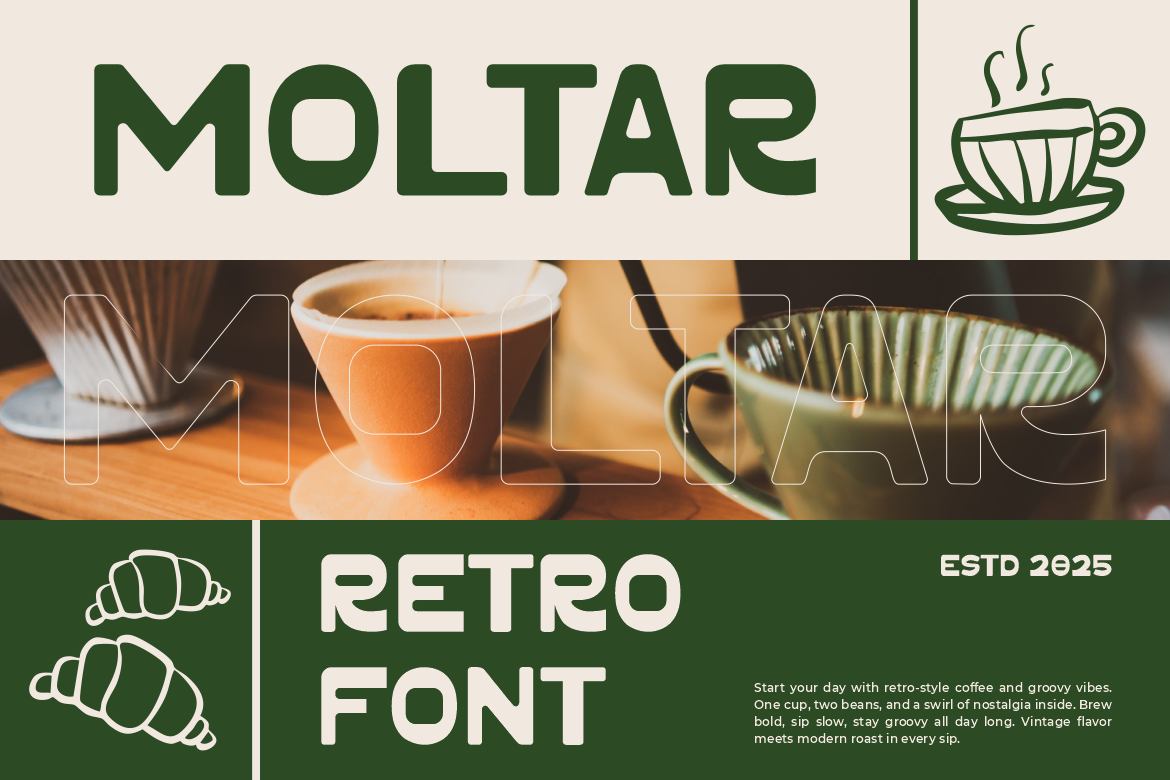
Moltar Retro combines vintage warmth with artisan personality.
Why It Works
The font creates:
- Handmade feeling
- Organic atmosphere
- Authentic storytelling
Best For
- Artisan bakery packaging
- Organic food products
- Sustainable brands
Luxury Food Packaging
Luxury packaging emphasizes:
- Elegant typography
- Premium materials
- Sophisticated layouts
- Refined detailing
This style helps products appear more exclusive.
Recommended Font: Ironcore Condensed Ligature

Ironcore Condensed Ligature feels masculine, strong, and premium.
Why It Works
Its condensed structure creates:
- High-end appearance
- Strong visual authority
- Sophisticated branding
Best For
- Premium coffee
- Gourmet foods
- Luxury beverages
Illustration-Based Packaging
Illustration-focused packaging uses:
- Custom artwork
- Playful graphics
- Visual storytelling
to create unique emotional identity.
Recommended Font: Urban Latte Experimental
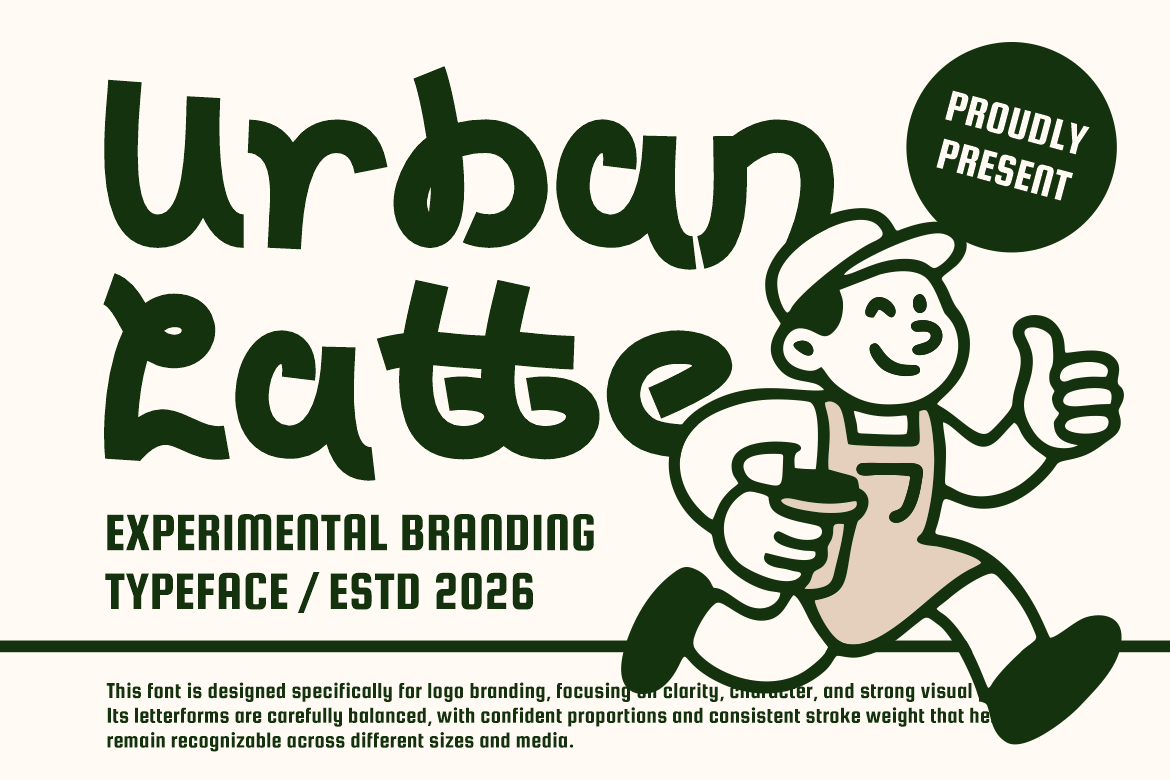
Urban Latte Experimental blends modern creativity with unique branding personality.
Why It Works
The font feels:
- Creative
- Experimental
- Artistic
while remaining visually striking.
Best For
- Specialty coffee
- Creative beverages
- Artisan food products
Quick Summary Table
| Design Trend | Characteristics | Putracetol Font |
|---|---|---|
| Minimalist | Clean, simple | Compacture Condensed |
| Bold & Colorful | Bright, high contrast | Crust Cream Bold |
| Eco-Friendly | Natural, sustainable | Moltar Retro |
| Luxury | Premium, elegant | Ironcore Condensed |
| Illustration-Based | Playful, storytelling | Urban Latte Experimental |
Why Typography Matters in Food Packaging
Typography affects how consumers perceive:
- Taste
- Quality
- Brand personality
- Product positioning
Different font styles communicate different emotional messages.
Serif Typography
Serif fonts feel:
- Traditional
- Elegant
- Premium
Ideal for luxury products.
Sans-Serif Typography
Sans-serif fonts feel:
- Clean
- Modern
- Minimalist
Perfect for modern packaging systems.
Script Typography
Script fonts create:
- Handmade atmosphere
- Personal warmth
- Artisan personality
Functional Packaging Design Matters Too
Effective food packaging must also function well physically.
Good packaging should be:
- Easy to open
- Portable
- Durable
- Reusable when possible
Functionality improves customer satisfaction.
Common Food Packaging Design Mistakes
Overly Complex Layouts
Too many elements create:
- Visual clutter
- Confusion
- Weak branding focus
Inconsistent Branding
Different typography and colors across products reduce brand recognition.
Poor Readability
Tiny fonts or low contrast reduce usability and trust.
Best Tools for Packaging Design
Designers commonly use:
- Adobe Illustrator
- Photoshop
- Canva
- Figma
to create packaging concepts and mockups.
Modern Food Packaging Trends
Current packaging trends include:
- Minimal typography
- Sustainable materials
- Vintage-inspired branding
- Hand-drawn illustration
- Bold retro aesthetics
These trends help brands appear more emotionally engaging and visually memorable.
Food Packaging for Social Media
Packaging design now plays a huge role in digital marketing.
Visually appealing packaging increases:
- Instagram shareability
- Product photography quality
- Online brand recognition
Good typography helps products look stronger in digital content.
Final Thoughts
Creating effective food packaging design requires balancing visual appeal, readability, branding, and functionality. Great packaging not only protects products but also communicates brand identity, attracts customers, and strengthens emotional connection.
Fonts like Crust Cream Bold, Urban Latte Experimental, Moltar Retro, Ironcore Condensed, and Compacture Condensed demonstrate how typography can adapt to different packaging styles, from playful snack branding and artisan bakery visuals to luxury gourmet products and minimalist packaging systems.
The best food packaging design combines:
- Strong branding
- Clear typography
- Functional structure
- Emotional storytelling
When used strategically, typography becomes one of the most powerful tools for building memorable food brands that stand out both on shelves and across digital platforms.
For more inspiration, creative resources, and practical design tips, visit Putracetol.com and explore creative resources that can elevate your next web project. Thank you for taking the time to read this article. If you are looking for more great articles, feel free to visit Putracetol Blog.
Additionally, if you want to explore some free typography options, you can check out Putracetol Studio on Dafont. Happy reading and designing!