
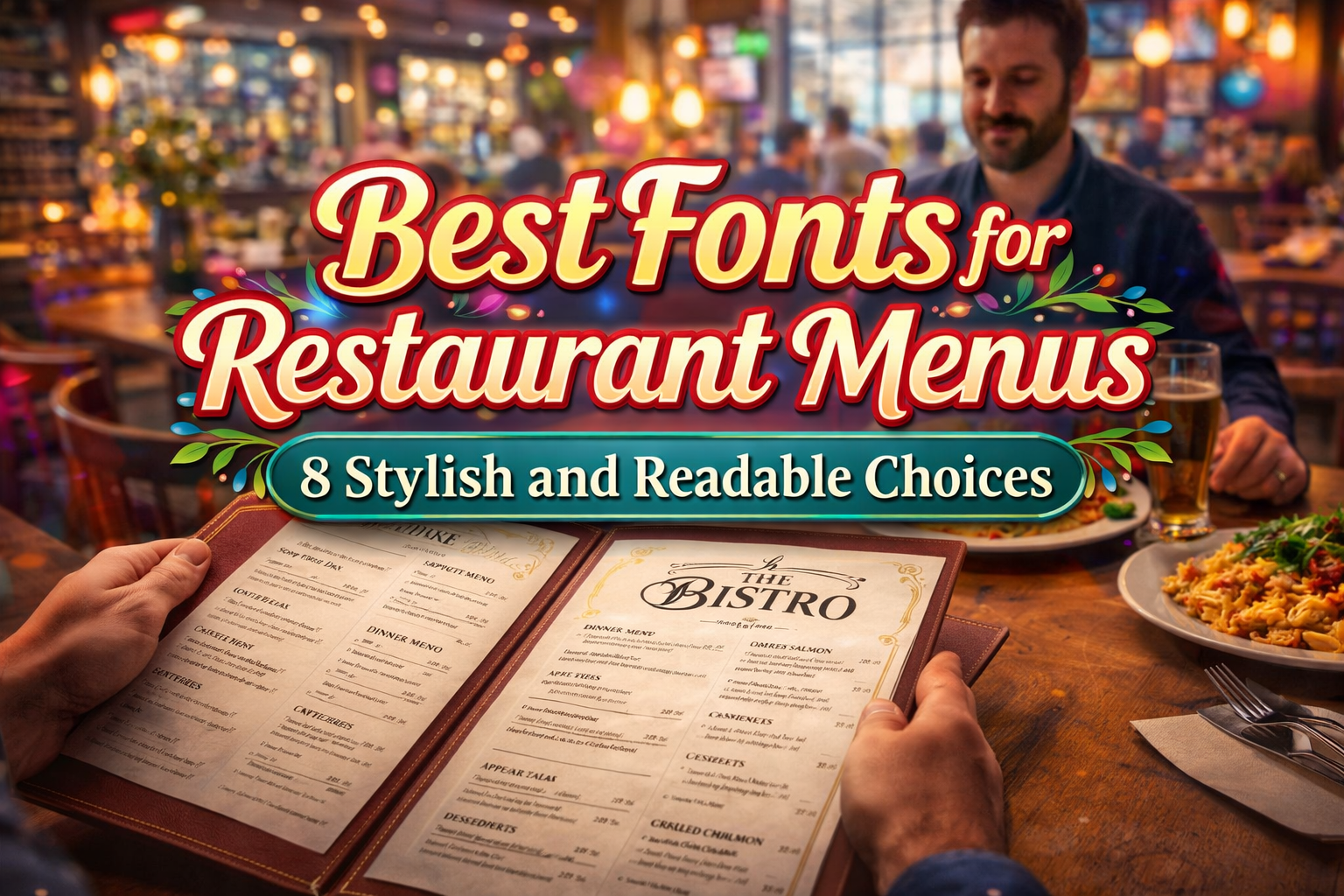
8 Best Fonts for Restaurant Menus That Improve Customer Experience
When customers sit down at a restaurant, one of the first things they interact with is the menu. While food quality is the core of any dining experience, the design of the menu plays a crucial role in shaping perception. Among all design elements, typography stands out as one of the most influential.
Choosing the best fonts for restaurant menus is not just about making things look good. It directly affects readability, ordering behavior, and even how customers perceive your brand. A well-designed menu can guide attention, highlight key items, and create a memorable dining experience.
In this guide, we’ll explore eight carefully selected fonts that work exceptionally well for restaurant menus, along with practical tips on how to use them effectively.
Why Font Choice Matters in Restaurant Menus
Menu design is a combination of psychology and visual communication. Fonts influence how quickly customers scan options, understand descriptions, and make decisions.
Here are the key factors that make typography so important:
1. Readability and Clarity
Menus must be easy to read at a glance. Customers often skim quickly, so fonts need to be clear and well-spaced.
2. Brand Identity
Your font reflects your restaurant’s personality. Fine dining establishments use elegant typography, while casual cafés lean toward friendly and relaxed styles.
3. Visual Hierarchy
Fonts help organize information. Headings, categories, and descriptions should be clearly distinguishable.
8 Best Fonts for Restaurant Menus (Curated Selection)
Here are eight fonts that combine strong visual appeal with practical usability.
1. Sweete Line Script – Soft and Friendly
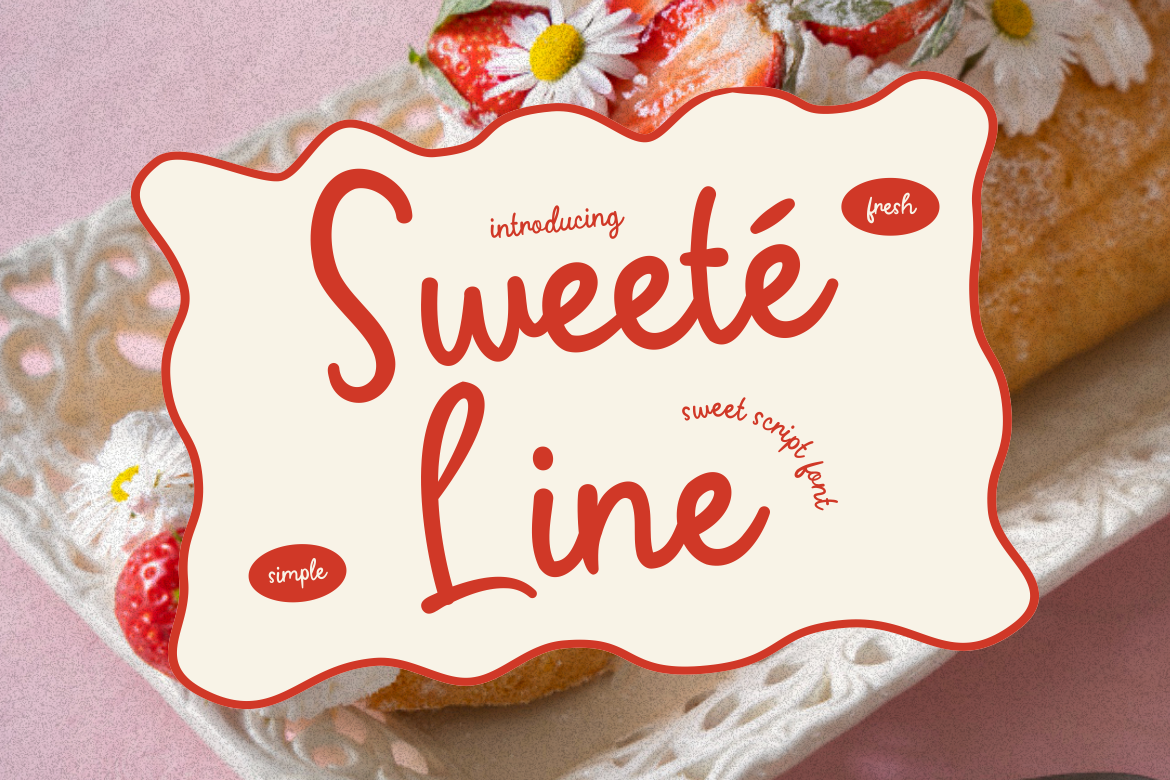
This script font has a flowing, handwritten style that feels warm and inviting. It’s perfect for businesses that want to create a cozy, approachable atmosphere.
Best for:
- Cafés
- Ice cream shops
- Bakeries
It works well for headings, logos, or featured menu items.
2. Tuncho Plonko Bold Handwriting – Creative and Playful

This font stands out with its decorative and expressive style. It brings personality into the menu, making it ideal for creative food brands.
Best for:
- Casual restaurants
- Food trucks
- Creative menus
Use it sparingly for titles or highlights to avoid overwhelming readability.
3. Country Foody Condensed Retro – Warm and Personal

Country Foody delivers a nostalgic and homey feel. Its condensed form allows for efficient use of space while maintaining character.
Best for:
- Home-style cafés
- Bakeries
- Comfort food restaurants
It creates a sense of familiarity and warmth.
4. Melting Dessert Display – Bold and Eye-Catching

This font features strong geometric shapes that immediately draw attention. It’s perfect for highlighting specific sections of the menu.
Best for:
- Dessert menus
- Promotions
- Featured items
Its boldness makes it ideal for large headings.
5. Pueblo Trails Mexican Font – Clean and Versatile

Pueblo Trails offers a balanced design that works well for both headings and body text. It’s easy to read and visually stable.
Best for:
- Menu descriptions
- Pricing sections
- General content
This is a reliable choice when clarity is your top priority.
6. Sweet Bounce Round Font – Rustic and Distinctive
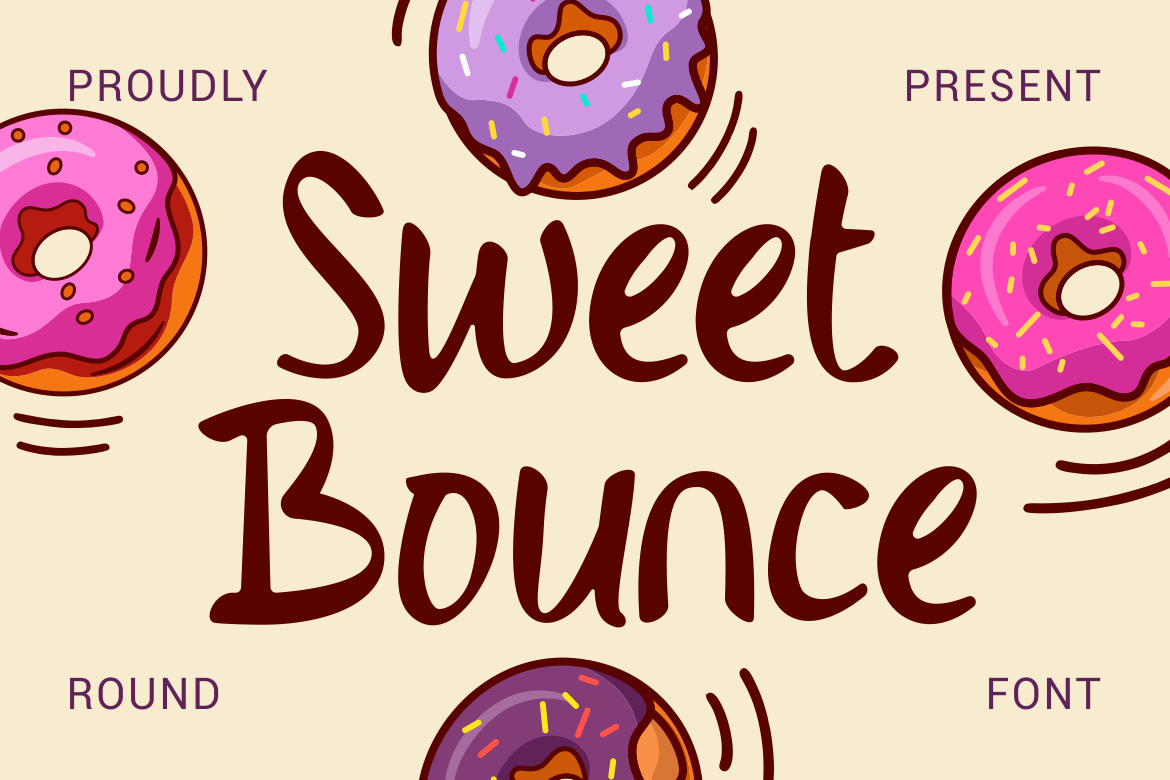
This font has a strong identity with a slightly rustic and ethnic-inspired look. It’s perfect for organizing menu categories.
Best for:
- Section titles
- Category labels
- Themed restaurants
It helps create visual separation within the menu.
7. Amai Haze Asian Font – Bold and Cultural
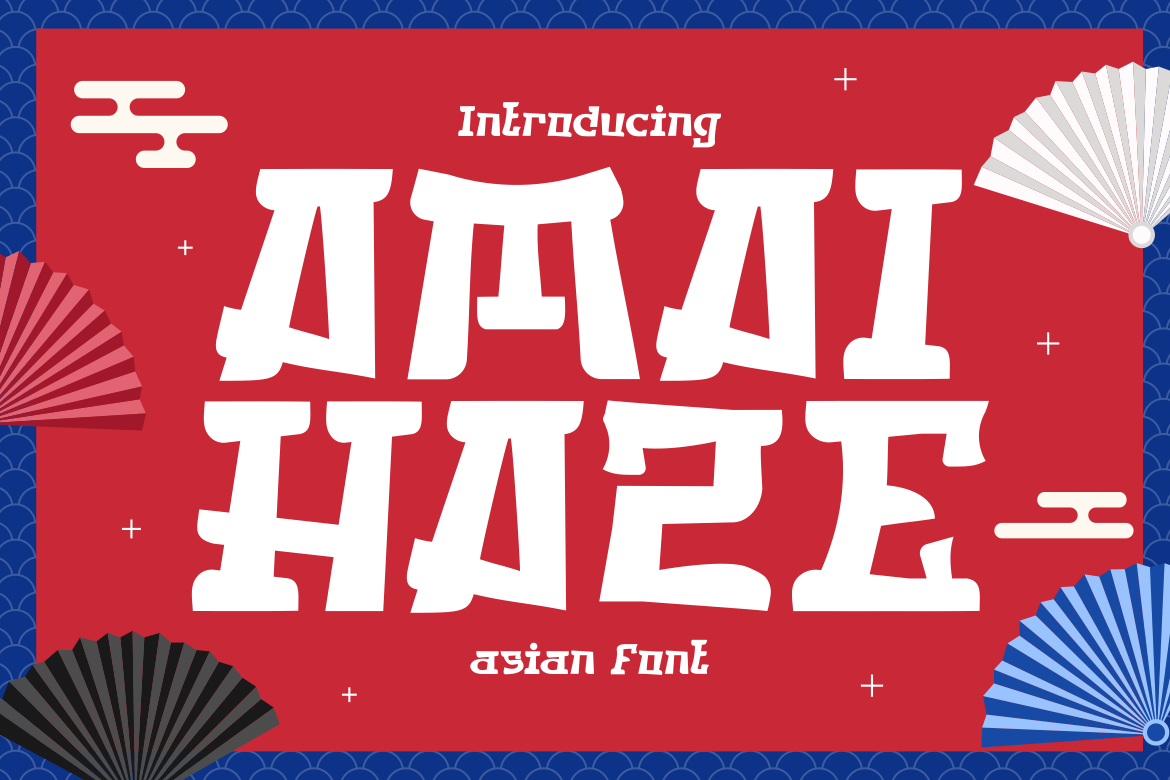
Inspired by Japanese aesthetics, this font brings a unique cultural touch to menu design. It’s bold and expressive.
Best for:
- Japanese restaurants
- Asian-themed cafés
- Food trucks
It adds authenticity and strong visual character.
8. Noodle Twine Playful Monoline – Modern and Clean
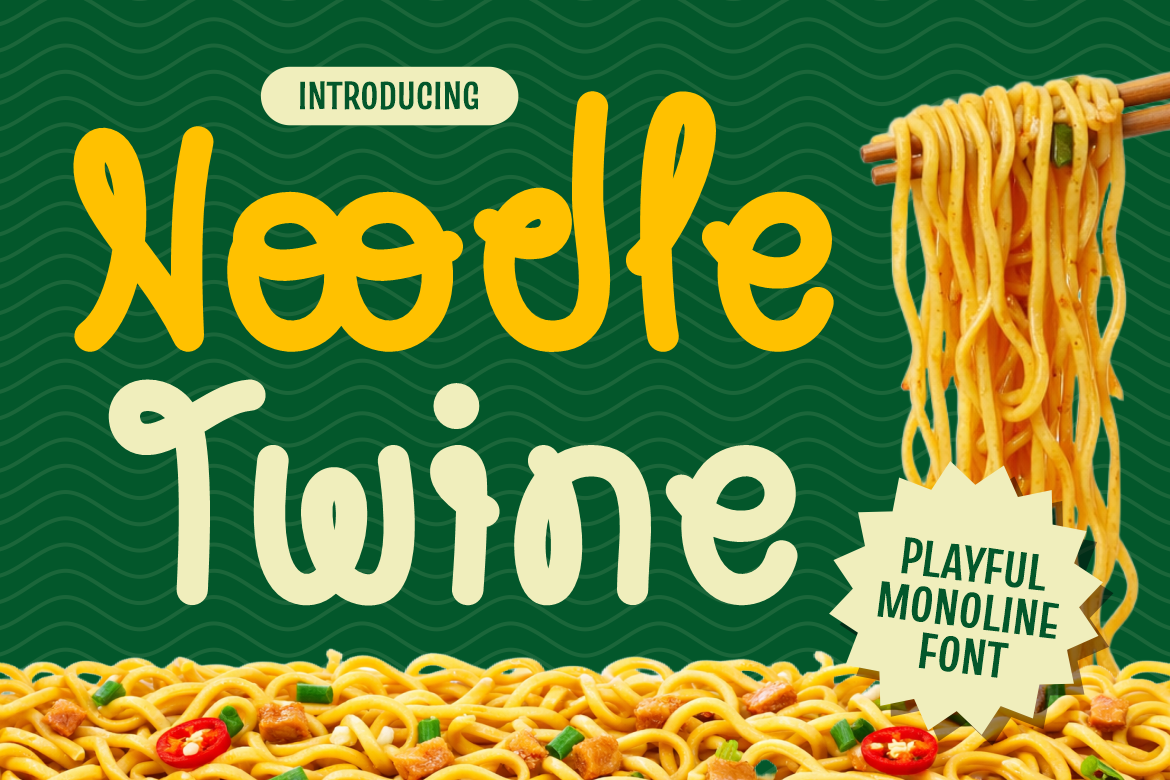
Noodle Twine is a flexible font with a clean structure, making it highly readable across different formats.
Best for:
- Menu titles
- Subtitles
- Digital menus
Its versatility makes it suitable for both print and screen.
Quick Comparison Table
| Font | Characteristics | Best Use |
|---|---|---|
| Tuncho Plonko | Decorative, unique | Creative, casual menus |
| Sweet Bounce | Rustic, ethnic | Food category titles |
| Melting Dessert | Bold, geometric | Dessert menus, headings |
| Amai Haze | Japanese artistic | Modern cafés, food trucks |
| Country Foody | Warm, personal | Bakeries, cozy cafés |
| Sweete Line | Soft, friendly | Ice cream shops, cafés |
| Pueblo Trails | Clean, versatile | Descriptions & pricing |
| Noodle Twine | Modern, clear | Titles, digital menus |
How to Choose the Best Font for Your Menu
Selecting the right font requires a balance between design and usability.
Match the Font to Your Concept
- Fine dining → Elegant scripts or serif fonts
- Casual café → Handwritten or friendly fonts
- Modern restaurant → Clean sans-serif fonts
Use Font Pairing Strategically
Combine fonts to create hierarchy:
- One font for headings
- One for body text
Avoid using too many styles, as it can confuse readers.
Prioritize Readability
No matter how stylish a font is, it must be easy to read. Always test your menu in real conditions, including lighting and print size.
Common Menu Typography Mistakes
Avoid these pitfalls to ensure a professional result:
- Using overly decorative fonts for body text
- Poor contrast between text and background
- Inconsistent font usage
- Crowded layouts with little spacing
A clean and structured menu always performs better.
Why These Fonts Work
The fonts listed above are effective because they combine:
- Strong personality to match branding
- Clear readability for customer convenience
- Versatility across print and digital formats
This balance ensures that your menu is both functional and visually appealing.
Final Thoughts
Choosing the best fonts for restaurant menus is a strategic decision that goes beyond aesthetics. The right typography improves readability, strengthens branding, and enhances the overall dining experience.
Whether you’re designing for a cozy café, a modern food truck, or a premium restaurant, the fonts you choose will shape how customers interact with your menu.
For more inspiration, creative resources, and practical design tips,visit Putracetol.com and explore creative resources that can elevate your next web project.
Thank you for taking the time to read this article. If you are looking for more great articles, feel free to visit Putracetol Blog
Additionally, if you want to explore some free typography options, you can check out Putracetol Studio on Dafont. Happy reading and designing!