
Typography has always been one of the most important elements in visual communication. Traditionally, its role was simple: organize information, improve readability, and support the overall design. Today, however, typography has evolved into something much more powerful.
Experimental typography in modern design challenges conventional rules and transforms letters into visual experiences. Instead of prioritizing perfect readability and rigid layouts, designers use typography as a tool for expression, emotion, storytelling, provocation, and brand differentiation.
From distorted letterforms and kinetic typography to layered compositions and unconventional layouts, experimental typography pushes creative boundaries and encourages audiences to engage with content in new ways. As brands compete for attention across websites, social media, packaging, advertising, and digital experiences, typography has become a powerful competitive advantage.
For designers, marketers, students, and creative professionals, understanding experimental typography is becoming increasingly important in a world where visual originality often determines whether a message gets noticed or ignored.
Initial Suggestion
Before experimenting with typography, it’s important to understand why designers intentionally break traditional rules.
The goal is not randomness.
The goal is creating stronger communication through visual impact.
Understand the Message First
Every successful experimental typography project starts with a clear idea.
Ask:
- What emotion should the audience feel?
- What story should the typography communicate?
- What makes this brand different from competitors?
Typography should reinforce the answer.
Think Beyond Readability
Traditional typography focuses heavily on reading comfort.
Experimental typography focuses on:
- Emotional reaction
- Visual curiosity
- Memorability
- Brand personality
- Creative storytelling
This does not mean readability should be ignored, but it often becomes one of several priorities rather than the only priority.
Use Typography as a Visual Asset
In modern branding, typography is no longer just supporting content.
Typography can become:
- The logo
- The campaign concept
- The hero image
- The brand signature
Balance Innovation with Function
The most successful experimental designs challenge expectations without completely sacrificing usability.
When executed well, audiences remember both the message and the visual experience.
Jump to Recommended Fonts
If you want to explore experimental typography, choosing distinctive display fonts is often the best starting point.
1. Distorted Display Fonts
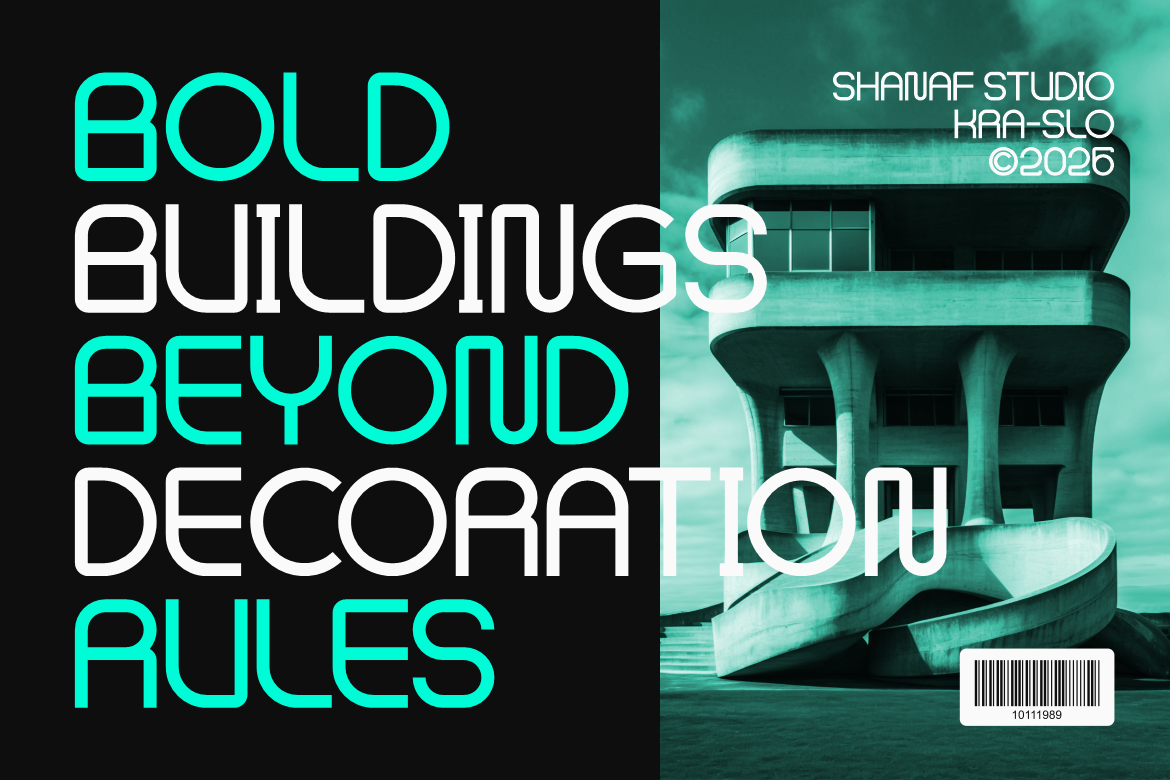
These fonts intentionally manipulate traditional letter structures through stretching, fragmentation, compression, or unusual proportions.
Pros
- Extremely eye-catching
- Creates instant visual interest
- Highly memorable
- Strong artistic personality
Best For
- Event posters
- Music branding
- Fashion campaigns
- Editorial design
- Creative portfolios
2. Futuristic Experimental Fonts
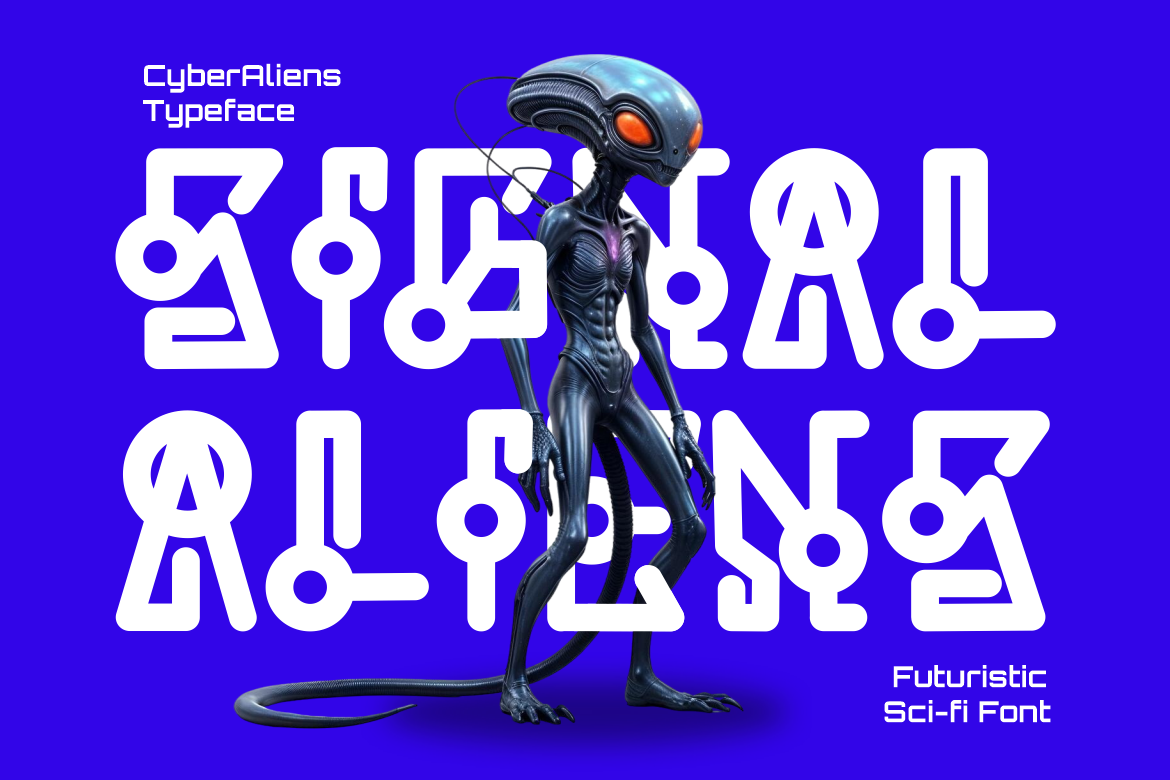
Technology-inspired fonts that embrace innovation and unconventional forms.
Pros
- Modern appearance
- Forward-thinking personality
- Strong digital aesthetic
- Excellent brand differentiation
Best For
- Technology companies
- AI startups
- Gaming brands
- Digital products
- Web experiences
3. Variable and Motion-Oriented Fonts
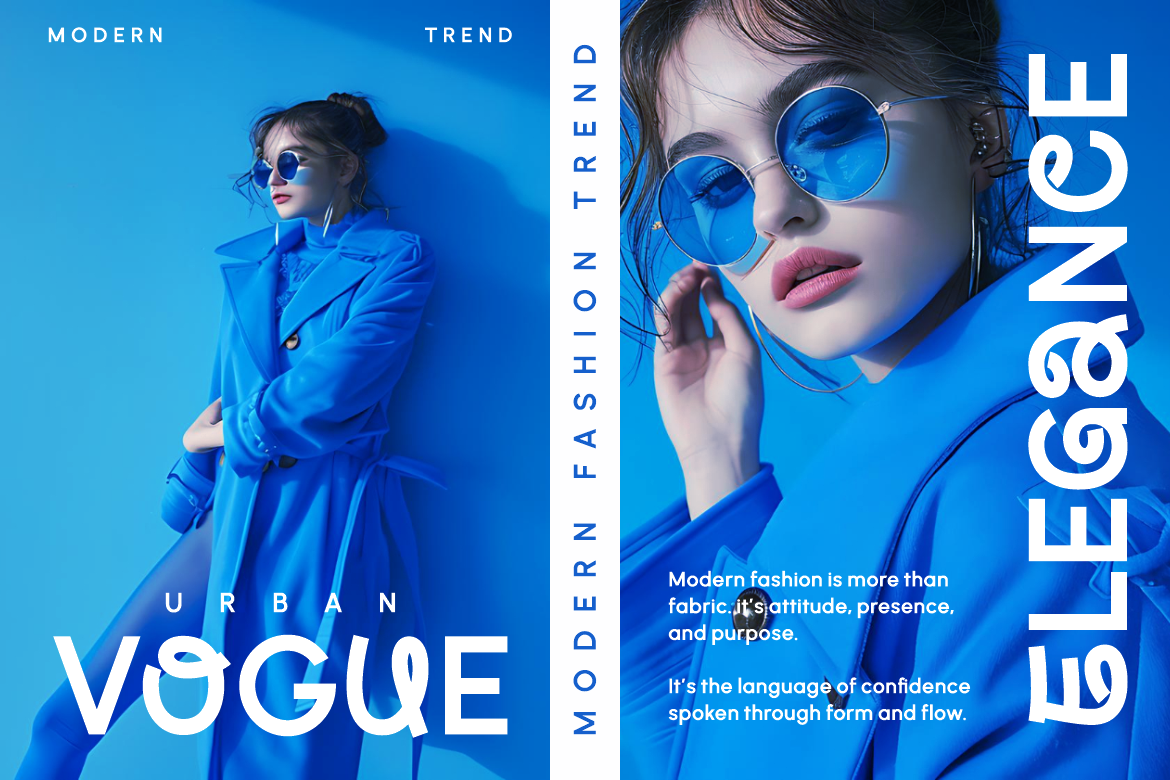
Dynamic typefaces designed for animation, interaction, and responsive design.
Pros
- Interactive potential
- Adaptable across platforms
- Excellent for digital environments
- Supports modern web design
Best For
- Motion graphics
- Digital campaigns
- Social media content
- Interactive websites
- Product launches
Typography experts increasingly view motion and adaptability as key components of future-focused typography systems.
4. Experimental Serif Fonts

Traditional serif foundations reimagined with unconventional details.
Pros
- Combines authority with creativity
- Premium appearance
- Editorial sophistication
- Strong visual contrast
Best For
- Luxury branding
- Magazine design
- Art publications
- Creative agencies
- Premium products
5. Abstract Display Fonts
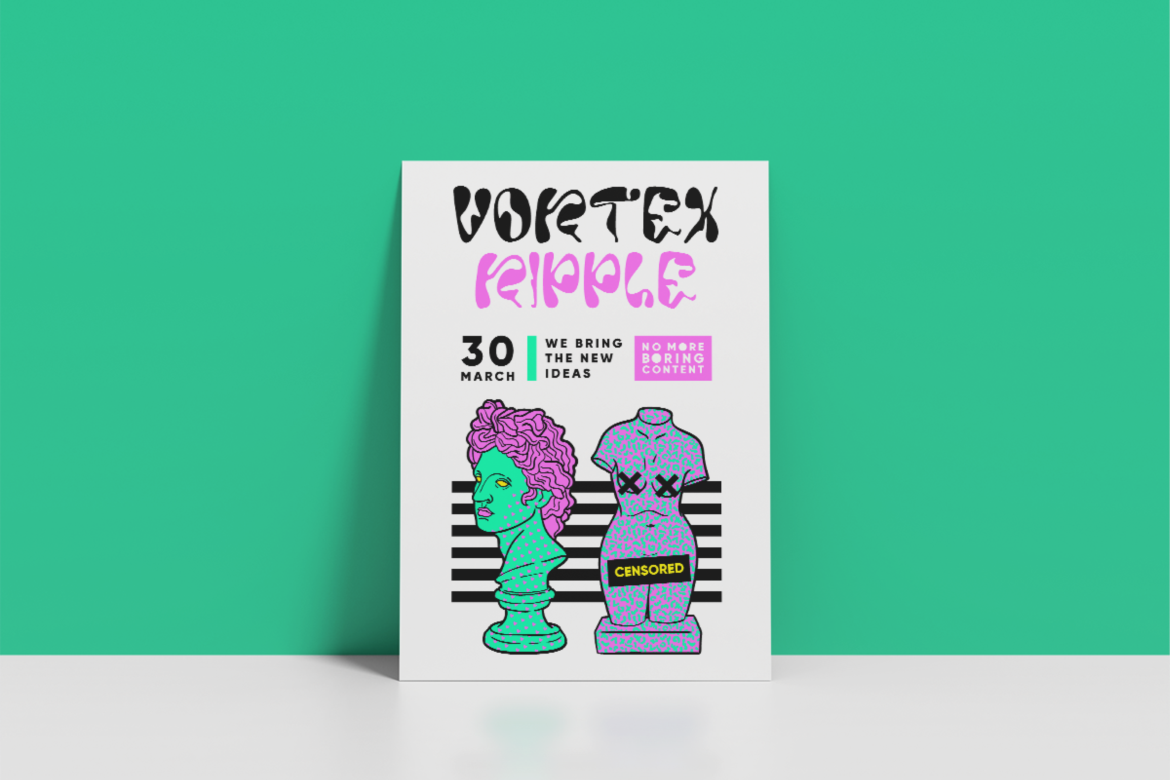
Fonts that prioritize visual expression over traditional structure.
Pros
- Maximum originality
- Artistic flexibility
- Unique branding opportunities
- Strong emotional impact
Best For
- Experimental branding
- Cultural events
- Art installations
- Creative campaigns
- Conceptual projects
PutraCetol’s collection of display fonts offers designers a strong foundation for exploring experimental typography while maintaining professional quality and usability.
Comparison
| Typography Approach | Primary Goal | Readability | Creativity Level | Brand Impact |
|---|---|---|---|---|
| Traditional Sans Serif | Clarity | Very High | Low | Medium |
| Traditional Serif | Authority | High | Medium | High |
| Experimental Display | Expression | Medium | Very High | Very High |
| Distorted Typography | Provocation | Medium-Low | Extremely High | Very High |
| Kinetic Typography | Engagement | Medium | Very High | Very High |
| Abstract Typography | Artistic Impact | Low-Medium | Extremely High | High |
Traditional Typography
Focuses on:
- Readability
- Consistency
- Accessibility
- Information hierarchy
Experimental Typography
Focuses on:
- Emotional engagement
- Brand differentiation
- Visual storytelling
- Creative expression
- Audience interaction
The growing popularity of anti-minimalist and expressive design movements demonstrates how brands are increasingly seeking alternatives to uniform corporate aesthetics.
Common Mistake
Many designers misunderstand experimental typography and treat it as visual chaos.
In reality, successful experimental typography is highly intentional.
Prioritizing Style Over Communication
If audiences cannot understand the message at all, the typography may fail its purpose.
Following Trends Without Context
Not every project requires experimental typography.
A banking website and a music festival poster have very different communication goals.
Using Effects Excessively
Glitches, distortions, overlays, and kinetic effects lose impact when overused.
Ignoring Brand Identity
Experimental typography should strengthen brand personality, not distract from it.
Forgetting User Experience
Even highly expressive typography should support the audience’s journey through the content.
The best experimental designs create tension between familiarity and surprise rather than abandoning structure completely.
Conclusion
Experimental typography in modern design represents one of the most exciting shifts in contemporary visual communication.
As audiences become increasingly exposed to repetitive layouts and predictable branding systems, designers are using typography as a tool for expression, storytelling, provocation, and differentiation. From distorted letterforms and kinetic typography to abstract display fonts and unconventional compositions, experimental typography enables brands to communicate personality in ways that traditional systems often cannot.
The future of typography is not about abandoning readability. It is about expanding what typography can achieve.
For designers, marketers, and creative professionals looking to create memorable experiences, experimental typography offers an opportunity to transform ordinary text into extraordinary visual communication.
If you’re ready to explore this creative direction, start with high-quality display fonts from PutraCetol.com. The right font can become the foundation for branding, campaigns, and visual experiences that audiences remember long after they have seen them.
Additionally, if you want to explore some free typography options, you can check out Putracetol Studio on Dafont. Happy reading and designing!