
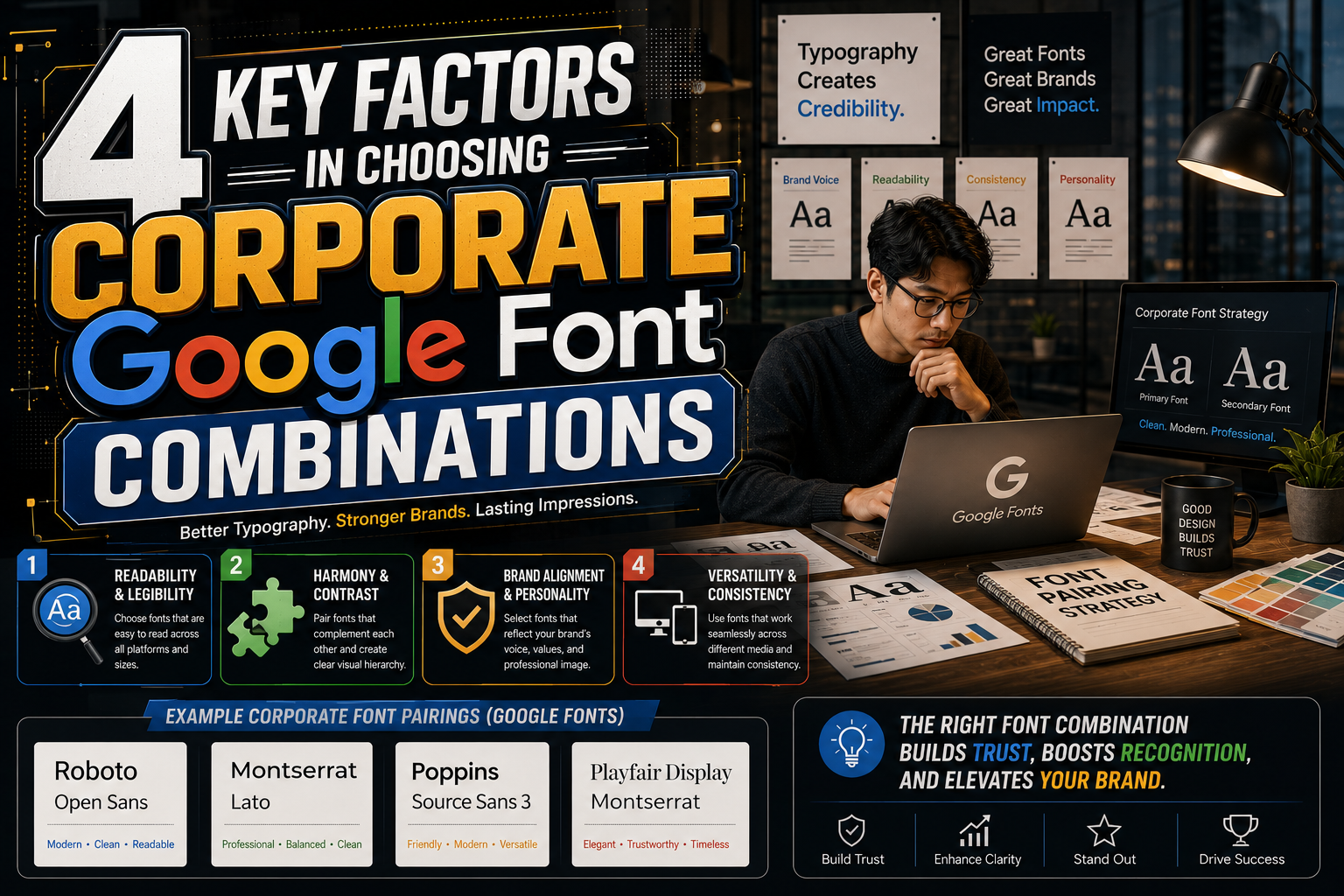
4 Key Factors in Choosing Corporate Google Font Combinations
Typography is one of the most important elements in modern branding. While logos, colors, and layouts often receive the most attention, font combinations quietly shape how audiences perceive a company. The right typography pairing can make a brand feel professional, trustworthy, modern, or elegant. On the other hand, poor font choices can weaken brand identity and reduce readability.
Today, many companies rely on Google Fonts because they are accessible, versatile, and optimized for digital environments. However, selecting corporate Google Font combinations should never be random. Fonts must work together strategically to support branding consistency, readability, and user experience across multiple platforms.
In this article, we’ll explore the four key factors businesses should consider when choosing corporate Google Font pairings and how typography helps create stronger visual identities.
Why Typography Matters in Corporate Branding
Typography is more than decoration. It is a communication tool that visually expresses brand personality and values.
Fonts influence how people perceive:
- Professionalism
- Trustworthiness
- Innovation
- Creativity
- Stability
Even before customers read the actual content, typography already creates emotional and psychological impressions.
Typography Creates Visual Identity
Strong brands are often recognizable not only because of logos but also because of consistent typography.
Examples include:
- Minimalist sans-serif typography for tech companies
- Elegant serif typography for luxury brands
- Bold display fonts for creative industries
Typography helps brands appear more cohesive and memorable.
1. Readability
The first and most important factor in typography selection is readability.
No matter how visually attractive a font is, it becomes ineffective if audiences struggle to read it.
Why Readability Matters
Corporate branding appears across many formats:
- Websites
- Presentations
- Mobile apps
- Packaging
- Social media
- Printed materials
Typography must remain clear and legible in all situations.
Avoid Excessive Contrast
One common mistake is pairing fonts that are too visually different.
For example:
- Extremely decorative headlines with minimal body text
- Thin serif fonts combined with oversized geometric typography
Excessive contrast creates inconsistency and reduces clarity.
Choose Balanced Pairings
Good font combinations usually pair:
- Serif + Sans-serif
- Bold headline + clean body font
- Display font + minimalist secondary font
The goal is harmony rather than competition.
Recommended Font for Readability
Flece Display Modern Sans Font

This clean and contemporary sans-serif font offers:
- Excellent readability
- Balanced proportions
- Strong digital clarity
It works especially well for:
- Websites
- UI systems
- Startup branding
- Professional presentations
2. Brand Identity
Typography should always align with the company’s personality and positioning.
Different font styles communicate different emotional messages.
Formal and Established Brands
Traditional companies often benefit from serif typography because it creates:
- Authority
- Trust
- Sophistication
Examples:
- Law firms
- Financial institutions
- Editorial brands
Modern and Creative Brands
Modern startups and creative businesses often prefer sans-serif typography because it feels:
- Clean
- Innovative
- Minimalist
- Accessible
Typography Reflects Business Character
Typography should visually answer:
- Who is the brand?
- What does the company represent?
- What emotions should audiences feel?
This is why typography selection must be strategic rather than purely aesthetic.
Recommended Fonts for Brand Identity
Vidage Elegant Serif Typeface Font

An elegant serif font ideal for:
- Editorial branding
- Luxury identity systems
- Premium businesses
It communicates sophistication and timeless professionalism.
Urban Dharma Hindi Font

An expressive ethnic-inspired typeface with strong visual personality.
Perfect for:
- Cultural branding
- Spiritual businesses
- Artistic projects
It creates memorable identity through unique character shapes.
3. Versatility
Corporate typography must remain effective across multiple platforms and media.
A font combination that looks great on a desktop website may fail on mobile screens or printed signage.
Why Versatility Matters
Modern brands operate across:
- Websites
- Social media
- Apps
- Packaging
- Advertising
- Print materials
Typography needs to remain:
- Clear
- Consistent
- Scalable
across every format.
Responsive Typography
Fonts should perform well at:
- Small mobile sizes
- Large billboard displays
- Digital interfaces
- High-resolution print formats
Versatility improves brand consistency and professionalism.
Recommended Fonts for Versatility
Zambeza Display Font

A bold and expressive display font with strong visual flexibility.
Best for:
- Fashion branding
- Posters
- Creative campaigns
Despite its artistic style, it remains highly adaptable across different media.
Compacture Condensed Font
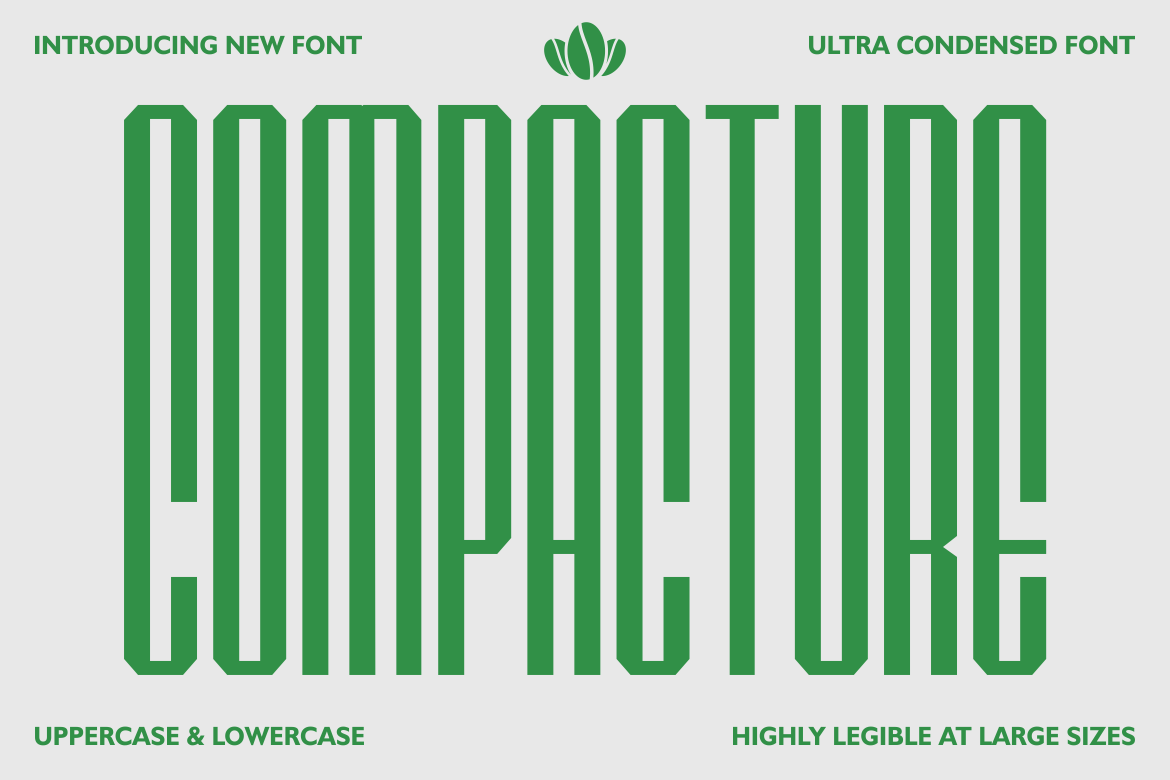
A clean condensed font with modern structure.
Best for:
- Packaging
- UI branding
- Corporate materials
Its narrow proportions make it practical for both digital and print layouts.
4. Consistency
Consistency is what transforms typography from simple text into recognizable branding.
Strong brands maintain the same typography system across all touchpoints.
Why Consistency Builds Recognition
When audiences repeatedly see the same font combinations, they begin associating them directly with the brand.
This strengthens:
- Recognition
- Familiarity
- Trust
- Brand recall
Typography consistency becomes part of the customer experience.
Typography Systems Matter
Businesses should establish:
- Primary fonts
- Secondary fonts
- Hierarchy rules
- Usage guidelines
This creates a unified visual identity across all marketing materials.
Recommended Font for Consistency
Paperlight Script Calligraphy Font

A refined script font with smooth flow and emotional warmth.
Best for:
- Wedding brands
- Handmade businesses
- Lifestyle branding
When paired consistently with minimalist supporting fonts, it creates elegant and cohesive identity systems.
Quick Summary Table
| Factor | Explanation | Example Fonts |
|---|---|---|
| Readability | Easy to read at all sizes | Flece Display Modern Sans |
| Brand Identity | Reflects brand personality | Vidage Elegant Serif, Urban Dharma Hindi |
| Versatility | Consistent across platforms | Zambeza Display, Compacture |
| Consistency | Same across branding media | Paperlight Script Calligraphy |
Common Mistakes in Corporate Font Pairing
Even strong brands can weaken their identity through poor typography choices.
Using Too Many Fonts
Too many font styles create visual inconsistency and confusion.
Best Practice
Use:
- One primary font
- One secondary font
- Optional accent typography
Ignoring Mobile Readability
Typography must remain clear on small screens.
Following Trends Blindly
Trendy fonts may quickly feel outdated.
Corporate branding should prioritize longevity and timeless balance.
Inconsistent Typography Usage
Switching font combinations frequently weakens brand recognition.
Why Google Fonts Are Popular for Corporate Branding
Google Fonts has become widely used because it offers:
- Free accessibility
- Easy web integration
- Cross-device optimization
- Responsive typography support
For modern companies, this flexibility makes branding implementation much easier.
How Typography Influences Customer Trust
Typography affects emotional perception more than many businesses realize.
Professional typography creates impressions of:
- Reliability
- Expertise
- Stability
- Attention to detail
Poor typography can unintentionally signal the opposite.
This is why typography selection should always be treated as part of business strategy.
Final Thoughts
Choosing effective corporate Google Font combinations requires more than simply selecting visually attractive typefaces. Strong typography systems must balance readability, brand identity, versatility, and consistency.
When these four factors work together, typography becomes a powerful branding tool that strengthens recognition, trust, and professionalism across every platform.
Fonts like Flece Display Modern Sans, Vidage Elegant Serif, Urban Dharma Hindi, Zambeza Display, Compacture, and Paperlight Script demonstrate how typography can support different branding directions, from minimalist technology brands to artistic and luxury businesses.
In modern branding, typography is not just text. It is part of the company’s voice, personality, and long-term identity.
For more inspiration, creative resources, and practical design tips, visit Putracetol.com and explore creative resources that can elevate your next web project. Thank you for taking the time to read this article. If you are looking for more great articles, feel free to visit Putracetol Blog.
Additionally, if you want to explore some free typography options, you can check out Putracetol Studio on Dafont. Happy reading and designing!