
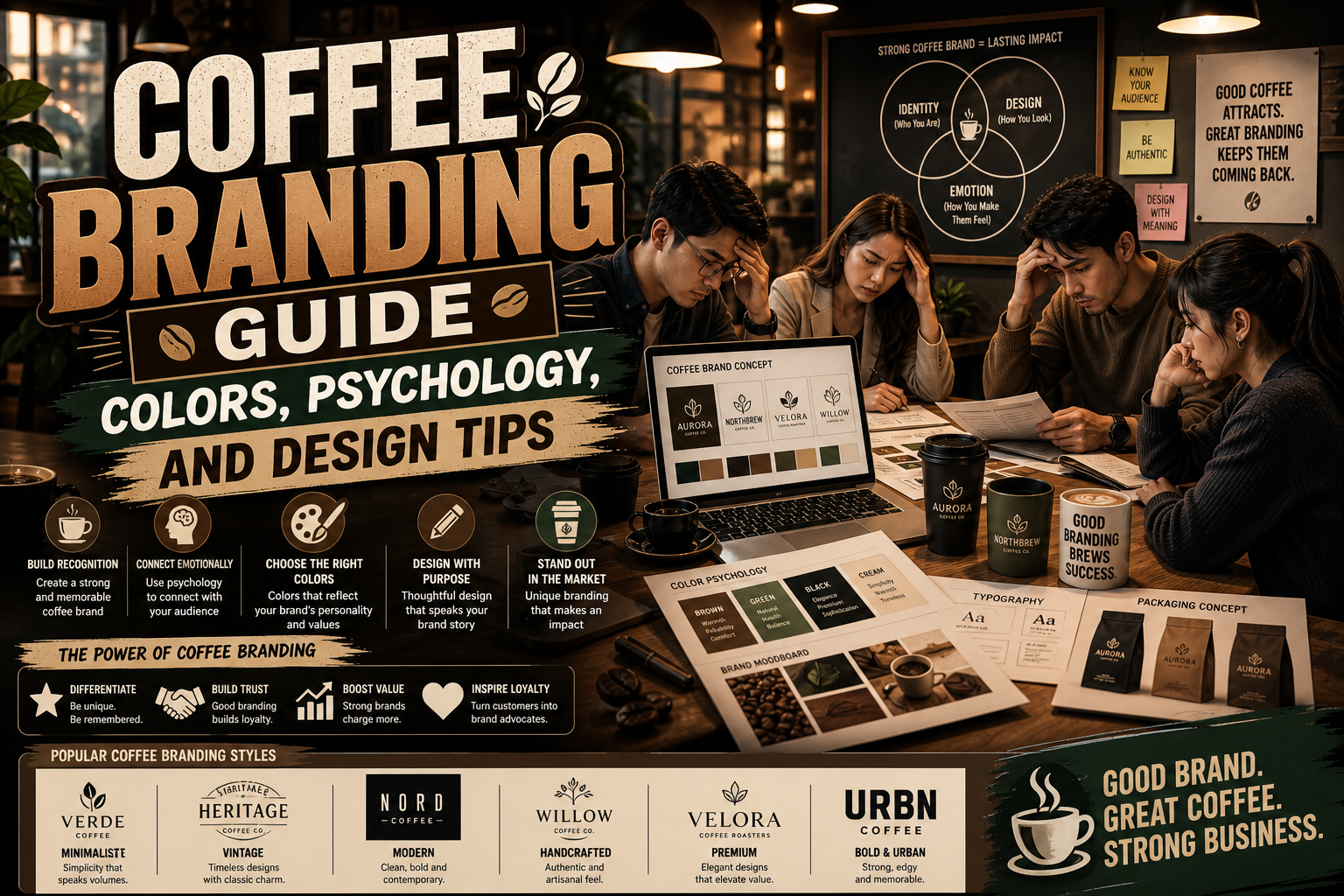
Choosing the Right Colors for Coffee Branding
Color is one of the most powerful elements in branding. Before customers taste your coffee or step into your café, they experience your brand visually. And often, the first thing they notice is color.
In coffee branding, color is not just decoration. It communicates mood, quality, and identity. It can make your brand feel warm and inviting, premium and refined, or bold and energetic. This is why choosing the right coffee branding colors is essential for building a strong and memorable brand.
In this guide, we’ll explore how color influences perception, how to build a cohesive color strategy, and how typography can enhance your coffee brand identity.
Why Colors Matter in Coffee Branding
Coffee is an emotional product. People associate it with comfort, routine, energy, and even lifestyle. Colors help translate those emotions into visual form.
First Impressions
Colors create instant perception. A warm brown palette feels cozy, while a black-and-gold scheme suggests luxury.
Emotional Connection
Different colors evoke different feelings, influencing how customers connect with your brand.
Brand Recognition
Consistent color usage helps customers recognize your brand across packaging, signage, and digital platforms.
The Meaning of Colors in Coffee Branding
Understanding color psychology is the foundation of effective branding.
Brown and Black – Classic and Authentic
These are the most common coffee branding colors.
- Brown → Warm, natural, comforting
- Black → Strong, premium, sophisticated
Best for:
- Traditional cafés
- Premium coffee brands
- Artisan roasters
Green – Natural and Sustainable
Green represents freshness and eco-conscious values.
Best for:
- Organic coffee brands
- Sustainable businesses
- Eco-friendly packaging
Red and Orange – Energetic and Bold
These colors attract attention and create a sense of excitement.
Best for:
- Fast-paced coffee shops
- Youth-oriented brands
- Takeaway cafés
Cream and Beige – Soft and Elegant
Neutral tones create a calm and refined atmosphere.
Best for:
- Minimalist cafés
- Lifestyle brands
- Premium packaging
Building a Strong Color Strategy
Choosing colors is not just about preference. It requires a strategic approach.
Maintain Consistency
Your color palette should remain consistent across:
- Logo
- Packaging
- Website
- Café interior
Consistency builds trust and recognition.
Align with Your Target Audience
Different audiences respond to different color tones:
- Premium audience → Black, gold, neutral tones
- Casual audience → Warm, playful colors
- Eco-conscious audience → Green and earthy tones
Use Color Combinations
Combining colors can create a more distinctive identity. For example:
- Brown + Cream → Warm and inviting
- Black + Gold → Premium and luxurious
- Green + Beige → Natural and calm
Common Mistakes to Avoid
Even strong concepts can fail due to poor color decisions.
Using Too Many Colors
Too many colors can make your brand look chaotic and unprofessional.
Inconsistent Application
If your colors vary across platforms, your brand loses coherence.
Ignoring Color Psychology
Choosing colors without considering their meaning can send the wrong message.
The Role of Typography in Coffee Branding
Color alone is not enough. Typography plays a crucial role in reinforcing your brand identity. The combination of color and font defines how your brand feels.
Here are five font styles that work well in coffee branding:
Crust Cream Bold Font – Playful and Friendly

This font has a thick and approachable style that feels welcoming.
Best for:
- Casual coffee shops
- Youth-focused brands
- Friendly café environments
Urban Latte Experimental Branding Font – Modern and Unique

A creative and experimental font that stands out.
Best for:
- Specialty coffee brands
- Creative cafés
- Modern branding
Moltar Retro Reverse Contrast Font – Vintage and Expressive
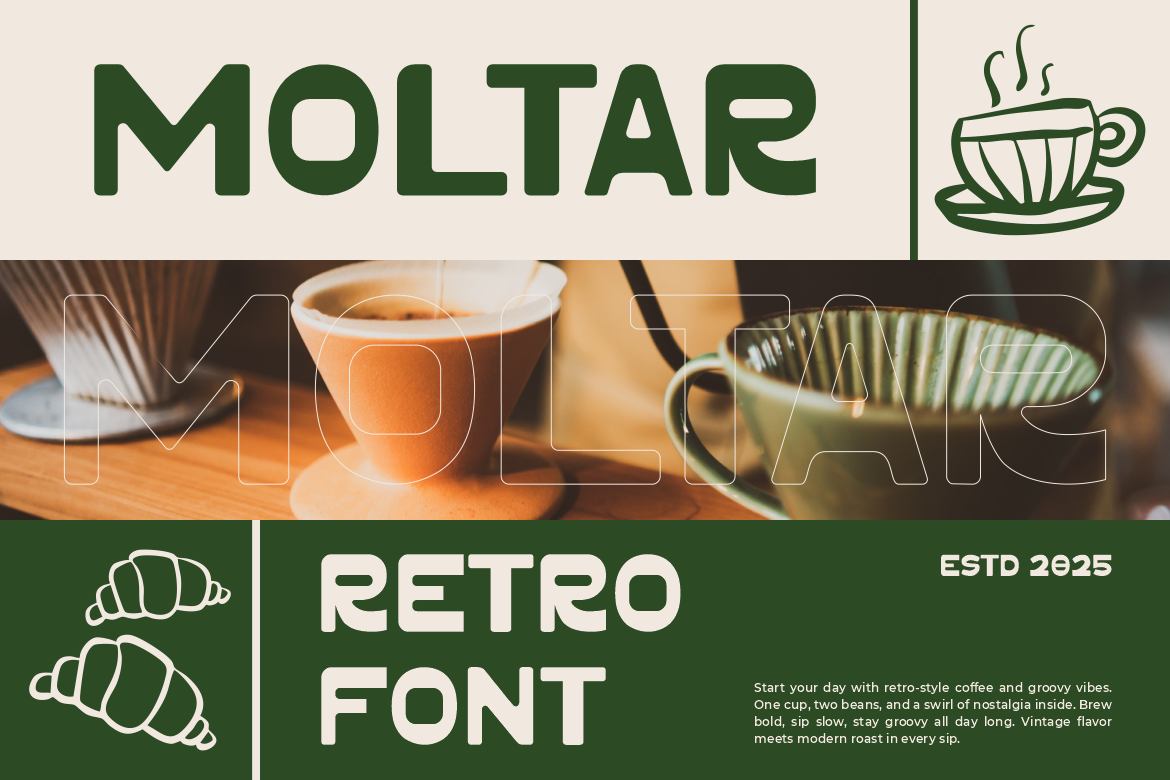
This font brings a nostalgic, handcrafted feel.
Best for:
- Artisan coffee brands
- Vintage cafés
- Retro-inspired packaging
Ironcore Condensed Ligature Font – Strong and Industrial
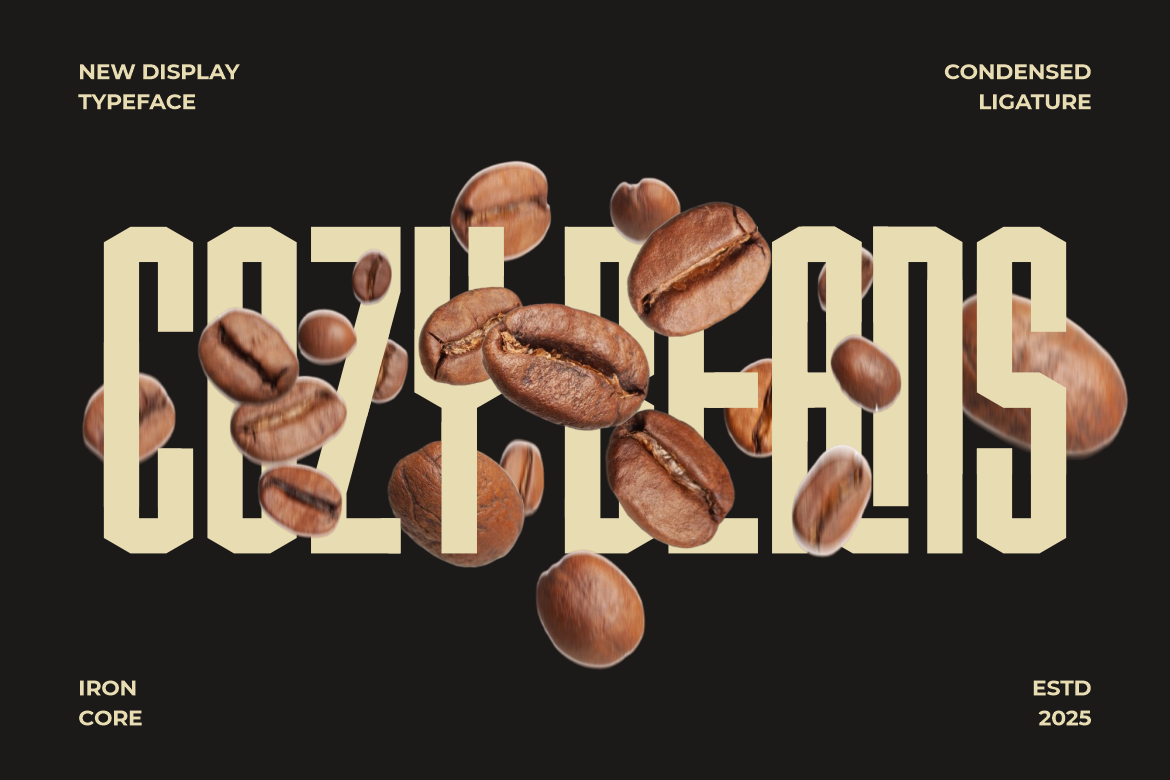
A bold and structured font with a masculine tone.
Best for:
- Premium cafés
- Industrial-style interiors
- Strong brand identities
Compacture Condensed Font – Sleek and Elegant

A clean and modern font with a refined appearance.
Best for:
- Minimalist branding
- Premium packaging
- High-end coffee brands
Quick Summary Table
| Font | Characteristics | Best Use |
|---|---|---|
| Crust Cream Bold | Thick, playful | Casual coffee shops |
| Urban Latte Experimental | Modern, unique | Specialty coffee |
| Moltar Retro Contrast | Retro, expressive | Artisan, vintage |
| Ironcore Condensed | Strong, masculine | Premium, industrial cafés |
| Compacture Condensed | Sleek, elegant | Minimalist, premium packaging |
How Color and Typography Work Together
A strong coffee brand combines both elements effectively.
Warm and Friendly Branding
- Colors: Brown, cream
- Font: Crust Cream Bold
- Result: Cozy and approachable
Premium and Elegant Branding
- Colors: Black, gold
- Font: Compacture Condensed
- Result: Sophisticated and high-end
Creative and Modern Branding
- Colors: Neutral + accent tones
- Font: Urban Latte Experimental
- Result: Unique and contemporary
Practical Workflow for Coffee Branding
To build a cohesive brand, follow this process:
1. Define Your Brand Identity
Understand your values, audience, and positioning.
2. Choose Your Color Palette
Select 2–3 primary colors that reflect your brand.
3. Select Typography
Pick fonts that match your tone and style.
4. Apply Across Touchpoints
Ensure consistency across packaging, interior, and digital platforms.
5. Test and Refine
Evaluate how your brand looks in real-world scenarios.
Why Simplicity Works Best
In modern branding, simplicity is key. A limited color palette combined with strong typography creates a clean and memorable identity.
- Easier to recognize
- More adaptable across platforms
- Stronger visual impact
This approach is especially effective in the coffee industry, where competition is high.
Final Thoughts
Choosing the right coffee branding colors is a strategic decision that shapes how your brand is perceived. Colors create emotional connections, while typography reinforces personality and identity.
By combining thoughtful color selection with the right fonts, you can build a coffee brand that feels consistent, professional, and memorable. Whether you’re aiming for a cozy café vibe or a premium specialty brand, the right visual choices will help you stand out.
For more inspiration, creative resources, and practical design tips, visit Putracetol.com and explore creative resources that can elevate your next web project. Thank you for taking the time to read this article. If you are looking for more great articles, feel free to visit Putracetol Blog.
Additionally, if you want to explore some free typography options, you can check out Putracetol Studio on Dafont. Happy reading and designing!