Barcode Fonts 2026: A Practical Guide for Labels, Inventory, and Business Data
Barcodes may look simple, but those black bars represent structured information that scanners must interpret accurately. For small businesses, retailers, warehouses, and office teams, barcode fonts 2026 can provide a convenient way to turn spreadsheet data into printable machine-readable labels without building a complicated inventory system.
However, there is an important distinction: a barcode is not simply ordinary text displayed in a striped font. The correct barcode symbology, encoded data, check characters, dimensions, and printing quality all affect whether scanners can read it.
For internal inventory, a basic barcode-font workflow can be extremely practical. For retail and supply-chain standards, more formal barcode generation is usually required.
Initial Suggestion: Choose the Barcode Standard First
Do not download a barcode font before deciding where the code will be scanned.
Code 39 is relatively simple and is often practical for internal asset numbers, stock IDs, folders, and warehouse labels. A common spreadsheet workflow wraps the value with start and stop characters. For example, ABC123 may become *ABC123* before a compatible Code 39 font is applied. A Microsoft Q&A example describes this approach for Word and Excel. Microsoft Learn
Retail is different. GS1 states that UPC-A and EAN-13 are commonly used for consumer products at the point of sale, while ITF-14 and GS1-128 serve different distribution and logistics requirements. GS1 GO Customer Service Portal
In other words, choose the data standard first and the font or generator second.
How Barcode Fonts Work in Excel and Spreadsheets
A barcode font changes encoded characters into bars and spaces that represent data.
For a simple internal Code 39 system, imagine product ID BOX2045 in cell A2. Another cell could prepare the required text:
="*"&A2&"*"
Applying a compatible Code 39 font to that result can produce a scannable symbol.
This makes spreadsheet barcode workflows useful for:
inventory IDs, storage bins, asset tags, order references, document tracking, and internal warehouse labels.
But Code 128 and GS1-128 are more sophisticated. GS1-128 includes an FNC1 character, application identifiers, a symbol check character, start and stop characters, and required quiet zones. GS1 GO Customer Service Portal Simply changing raw spreadsheet text to a Code 128-looking font does not guarantee a valid symbol.
For complex or standards-based workflows, use a proper encoder, add-in, label application, or barcode-generation library.
Know the Difference Between Barcode Types
GS1 explains that GTIN-12 is commonly known as UPC, while GTIN-13 is commonly called EAN. GTIN-14 is generally used for cases or packaging rather than individual retail items. GS1 GO Customer Service Portal
For logistics, GS1-128 can carry more than a basic product identifier. It may contain information such as batch or lot numbers, quantities, serial information, or expiry dates using GS1 Application Identifiers. GS1 GO Customer Service Portal
That makes barcode selection a business decision rather than merely a graphic-design decision.
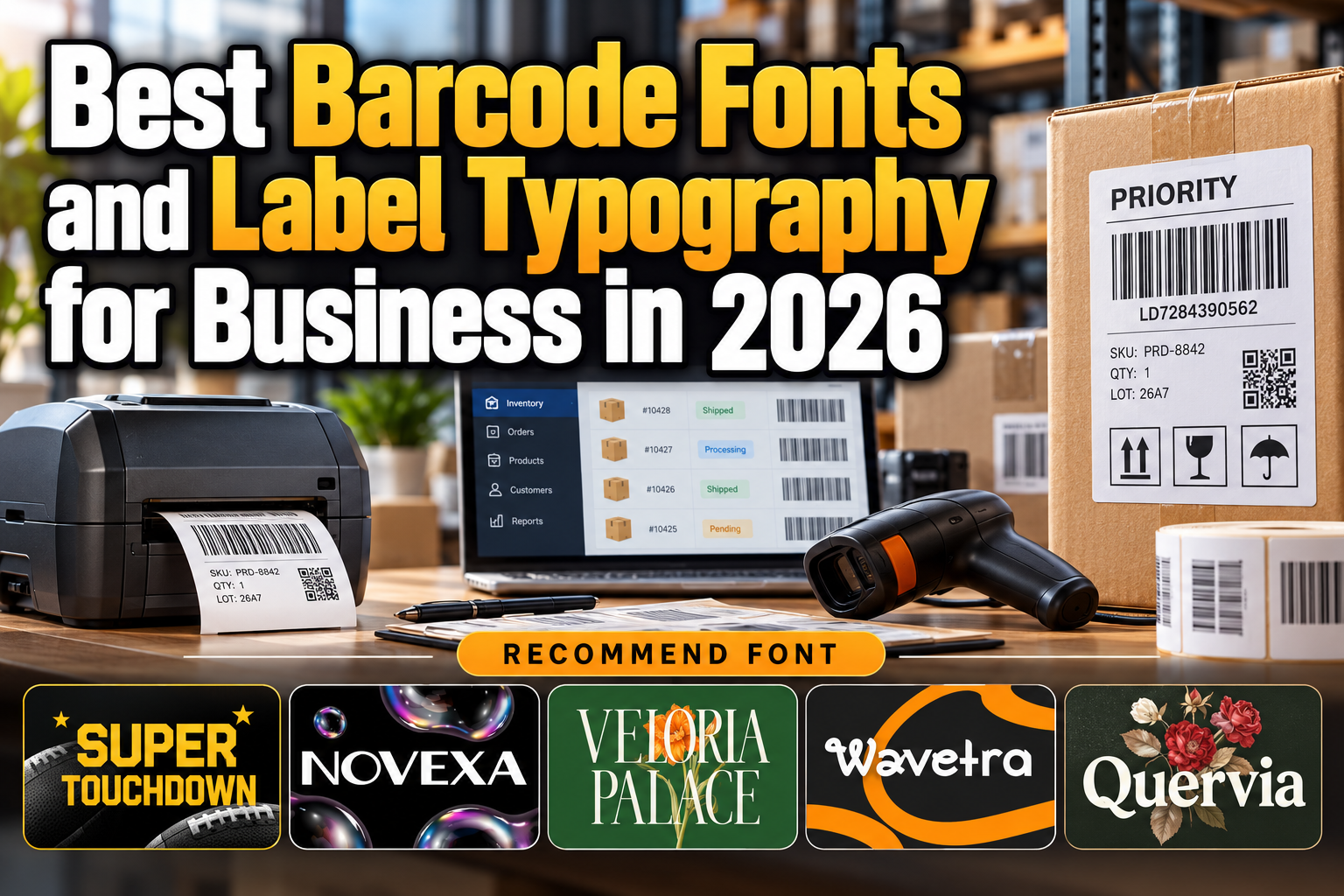
Jump to Recommended Fonts for Barcode Label Design
One clarification is important: the five PutraCetol fonts below are not barcode symbology fonts. Use a genuine Code 39, Code 128, EAN/UPC, or standards-compliant generator for the machine-readable portion. These fonts are recommended for the human-readable branding, headings, product names, category labels, and packaging information surrounding the barcode.
1. Novexa Modern Sans Font
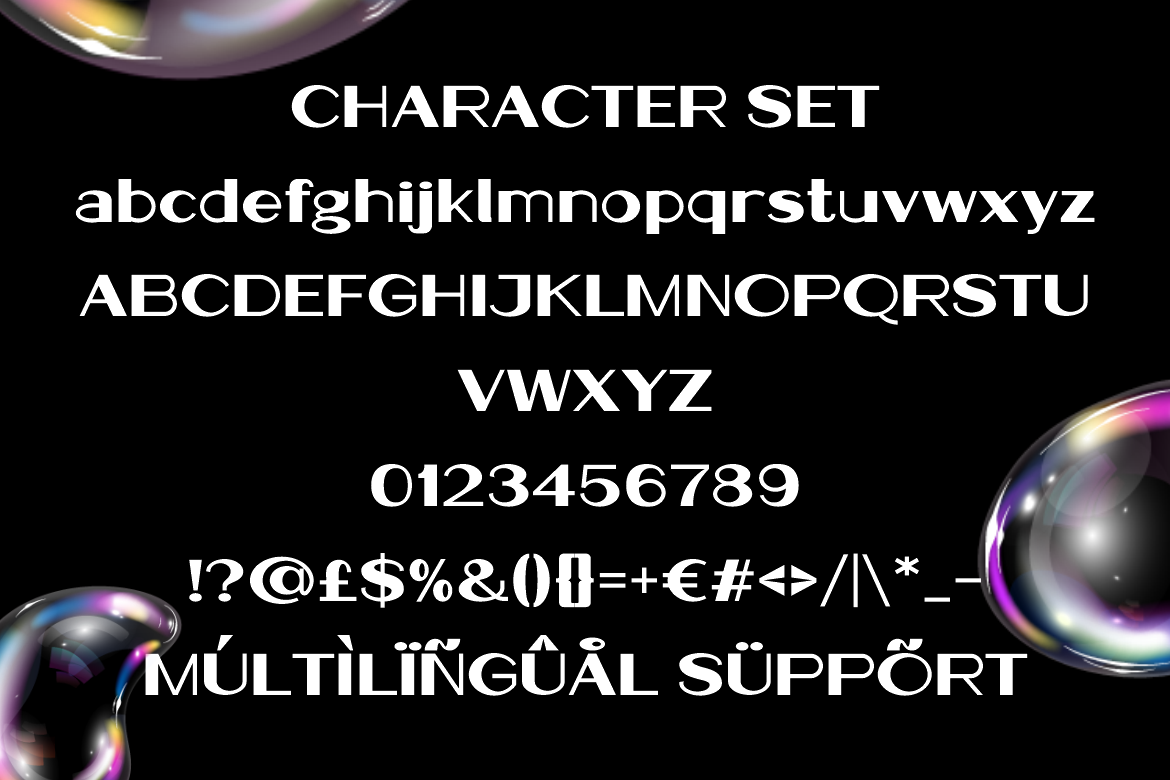
Novexa uses spacious proportions, smooth curves, and clean geometric construction that can complement structured barcode labels without making the layout feel overly technical. Its clear contemporary appearance makes it useful for product names, SKU headings, category information, and branded packaging where the barcode needs to coexist with polished typography. PutraCetol Studio
PROS: Clean geometry, modern appearance, multilingual support.
BEST FOR: Product labels, ecommerce packaging, modern inventory branding.
2. Veloria Palace Classic Serif Font

Veloria Palace offers tall, condensed serif forms with a more refined and premium character. It can add visual hierarchy to packaging where the machine-readable barcode should remain functional while the surrounding label communicates luxury, heritage, or boutique positioning. PutraCetol Studio
PROS: Elegant, space-efficient, strong premium personality.
BEST FOR: Cosmetics, candles, boutique products, premium packaging.
3. Super Touchdown Superbowl Sport Font
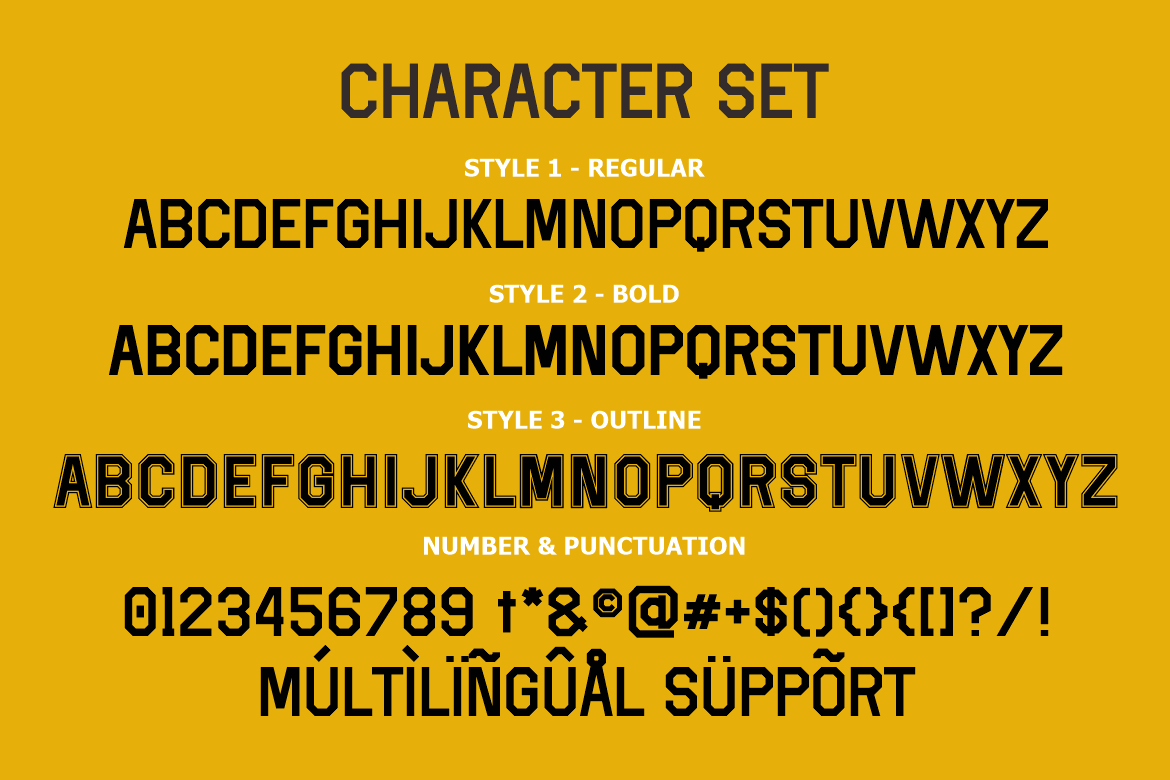
Super Touchdown uses bold geometric sports-inspired lettering with regular, bold, and outline styles. Its high-impact structure makes it suitable for product names and category headings on athletic merchandise or event labels, while the actual barcode remains isolated in a clean scanning area. PutraCetol Studio
PROS: Bold visibility, multiple styles, energetic appearance.
BEST FOR: Sports merchandise, event inventory, athletic packaging.
4. Wavetra Unique Experimental Font
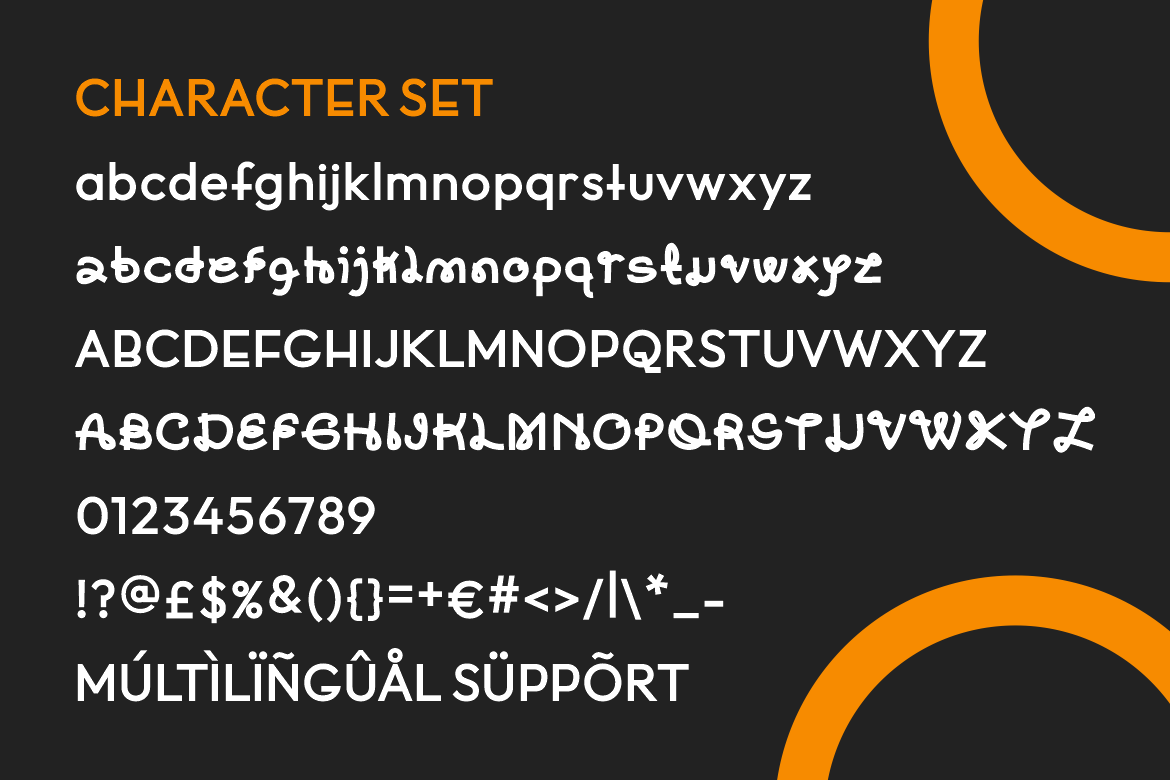
Wavetra combines smooth curves, rounded edges, open counters, and fluid forms. It offers a more creative label identity for lifestyle products while remaining controlled enough to complement structured data such as SKU numbers, pricing, and barcode blocks. PutraCetol Studio
PROS: Fluid construction, contemporary personality, readable display forms.
BEST FOR: Lifestyle products, creative packaging, retail labels.
5. Quervia Elegant Serif Font
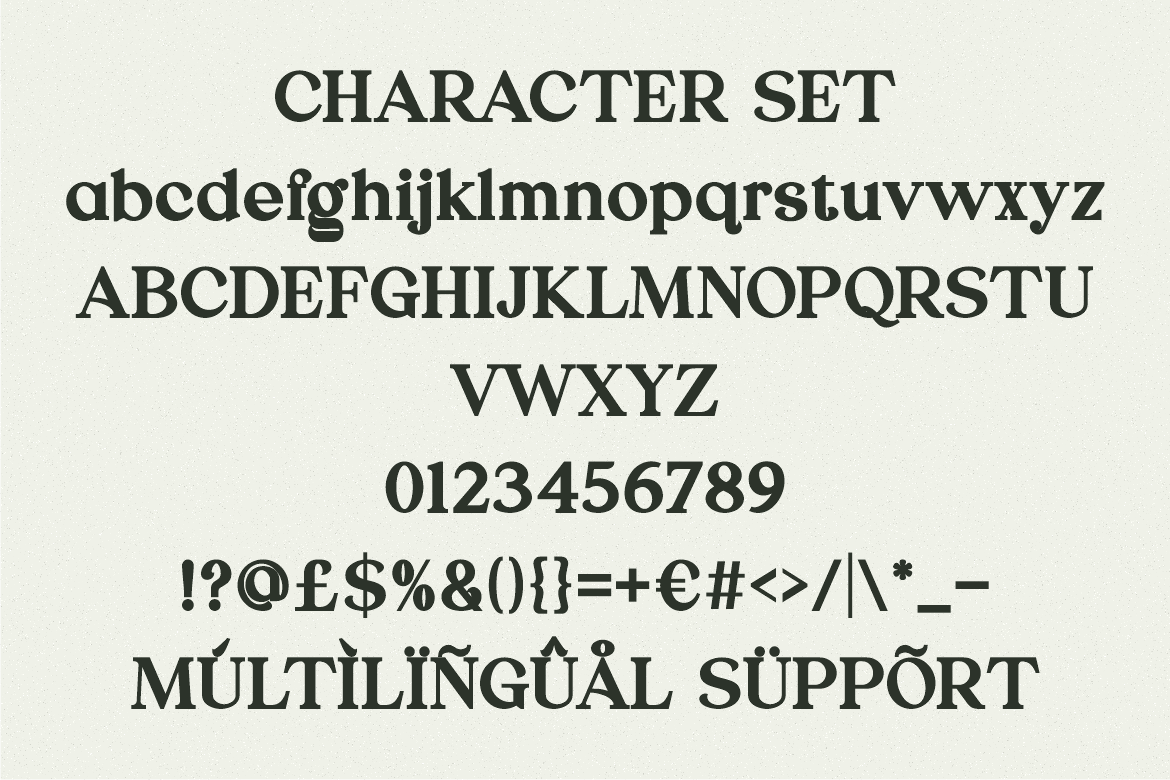
Quervia combines medium stroke contrast, sharp serif terminals, smooth curves, and balanced proportions. It works well when barcode packaging needs a more formal or sophisticated typographic layer around product titles and supporting information. PutraCetol Studio
PROS: Refined structure, polished character, strong hierarchy.
BEST FOR: Jewelry, beauty, hospitality, premium retail labels.
Comparison: Choosing the Right Barcode System
| Barcode | Typical Application | Main Advantage |
|---|---|---|
| Code 39 | Internal inventory | Simple spreadsheet workflow |
| Code 128 | Inventory and logistics | High data density |
| UPC-A | Retail products | Common North American POS format |
| EAN-13 | Global retail | Widely used consumer-product format |
| ITF-14 | Cases and cartons | Distribution packaging |
| GS1-128 | Logistics | Can encode additional attributes |
GS1 emphasizes that different environments require different carriers, so a barcode that works for an internal warehouse system may not be appropriate for retail checkout. GS1
Common Mistakes
The biggest mistake is applying a barcode font to ordinary text and assuming the result is valid. Some symbologies require start characters, checksums, FNC1 characters, application identifiers, or other encoding rules. Even a correctly encoded symbol can fail when its bars are distorted, the quiet zone is removed, or printing quality is poor. Always scan printed test labels using the actual devices that will be used in production.
Another mistake is using an internally generated number as though it were an official retail product identifier. Products distributed through retailers or marketplaces may require legitimate GTINs and GS1-compliant symbols. Keep internal stock codes separate from standardized product identification when necessary.
Finally, do not allow decorative typography, logos, borders, or backgrounds to interfere with the machine-readable area. Branding can surround a barcode, but scanning reliability should take priority.
Conclusion
Barcode fonts 2026 remain useful for simple spreadsheet-driven inventory and labeling workflows, particularly when businesses understand the underlying symbology.
Code 39 can offer an approachable starting point for internal labels, while UPC/EAN, Code 128, ITF-14, and GS1-128 address more specialized retail and logistics requirements. For professional packaging, pair a standards-compliant barcode with clear human-readable information and distinctive branding.
Explore PutraCetol Studio for typography that can give product names, packaging, inventory labels, and retail materials a stronger visual identity while keeping the barcode itself technically correct and scanner-friendly.
Explore these fonts and many more at PutraCetol.com to build a business identity that looks professional, trustworthy, and memorable.
Additionally, if you want to explore some free typography options, you can check out Putracetol Studio on Dafont. Happy reading and designing!