
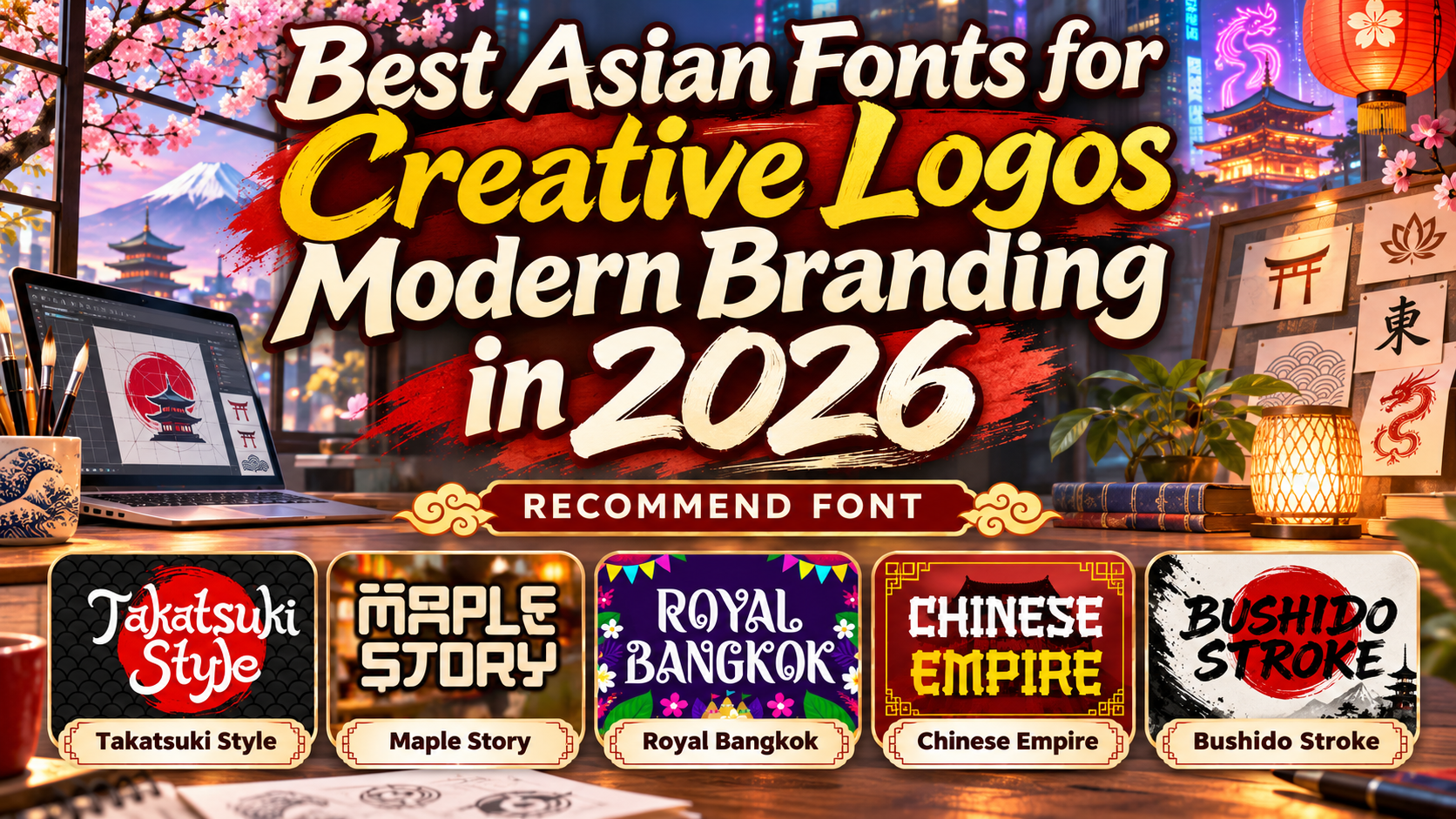
Best Asian Fonts for Modern Branding in 2026
Asian-inspired typography offers a fascinating combination of cultural heritage, artistic expression, and contemporary design. From Japanese brush lettering to decorative Thai aesthetics, these distinctive typefaces can transform ordinary branding into memorable visual experiences.
The best Asian fonts for modern branding 2026 combine traditional influences with creative letterforms, helping designers establish identities that feel expressive, elegant, and culturally inspired.
Whether you’re designing restaurant logos, fashion collections, product packaging, or entertainment graphics, choosing the right Asian-style display font can bring a recognizable personality to your creative projects.
Match Typography With Cultural Identity
Asian typography represents many different visual traditions, each with its own artistic characteristics.
Japanese-inspired fonts often emphasize brush movement and expressive strokes, while Korean-style lettering can introduce playful geometry. Thai-inspired designs may feature ornamental details, while Chinese-inspired display fonts frequently explore bold structures and angular forms.
Choose typography based on your specific cultural reference rather than treating all Asian aesthetics as interchangeable.
For multilingual branding, remember that Asian-inspired Latin display fonts are not necessarily designed to typeset native Japanese, Korean, Thai, or Chinese scripts.
Jump to Recommended Asian Fonts
Explore five distinctive Asian-inspired typefaces from PutraCetol Studio, each offering a different interpretation of traditional and modern visual culture.
1. Takatsuki Style Japanese Display Font
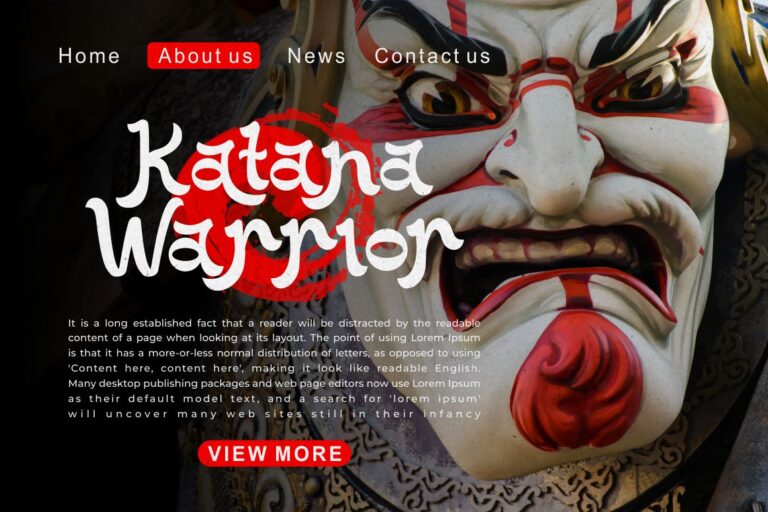
Takatsuki Style is a decorative Japanese-inspired display font that incorporates cultural influences into its distinctive letter construction. Its artistic personality combines stylized strokes with expressive details, creating a memorable visual appearance suitable for contemporary Japanese-themed branding. The typeface includes OpenType features such as swashes, stylistic alternates, contextual alternates, and ligatures, giving designers greater flexibility when customizing wordmarks. Its combination of cultural character and decorative versatility makes it especially attractive for brands that want visually distinctive lettering.
PROS: Decorative cultural personality, extensive OpenType alternates, customizable ligatures, expressive display styling.
BEST FOR: Japanese restaurants, fashion labels, cultural posters, souvenir packaging, and creative logos.
2. Maple Story Korean Font

Maple Story introduces a charming Korean-inspired aesthetic through playful character shapes and expressive lettering. Its quirky visual personality reflects contemporary Korean pop culture while maintaining a friendly appearance that works beautifully for youthful creative projects. Multiple letter variations, alternates, and ligatures allow designers to experiment with different typographic compositions and develop distinctive brand names. The font is particularly appealing for businesses seeking a cheerful cultural identity influenced by Korean entertainment, lifestyle, and modern visual trends.
PROS: Playful Korean-inspired character, alternate letterforms, ligatures, friendly visual personality.
BEST FOR: K-beauty packaging, Korean cafés, lifestyle branding, K-pop graphics, and creative merchandise.
3. Royal Bangkok Thailand Font

Royal Bangkok captures the decorative elegance of Southeast Asian-inspired typography through ornamental contours and distinctive cultural detailing. Its carefully stylized letterforms evoke the visual richness of traditional architecture, decorative craftsmanship, and ceremonial artistry. Unlike minimalist modern fonts, Royal Bangkok emphasizes expressive shapes that give short headlines a sophisticated and recognizable appearance. Its ornamental personality makes it especially suitable for businesses seeking a refined visual connection to Thai-inspired hospitality, culinary traditions, and cultural experiences.
PROS: Ornamental letterforms, elegant cultural character, distinctive contours, decorative display appeal.
BEST FOR: Thai restaurants, luxury spas, travel branding, traditional product packaging, and cultural events.
4. Chinese Empire Chinese Style Font

Chinese Empire is a bold display typeface inspired by traditional East Asian visual forms, featuring thick strokes, squared edges, and structured geometric cuts. Its wide proportions and angular details establish a strong, commanding personality that feels both culturally influenced and contemporary. The solid construction creates excellent visual impact in short brand names, especially when combined with traditional color palettes and carefully selected illustrations. Chinese Empire is an attractive option for designers developing confident identities that connect heritage-inspired aesthetics with modern commercial branding.
PROS: Bold geometric construction, angular details, strong display impact, recognizable cultural styling.
BEST FOR: Chinese restaurants, dim sum brands, tea packaging, Lunar New Year promotions, and cultural advertising.
5. Bushido Stroke Japanese Brush Display Font
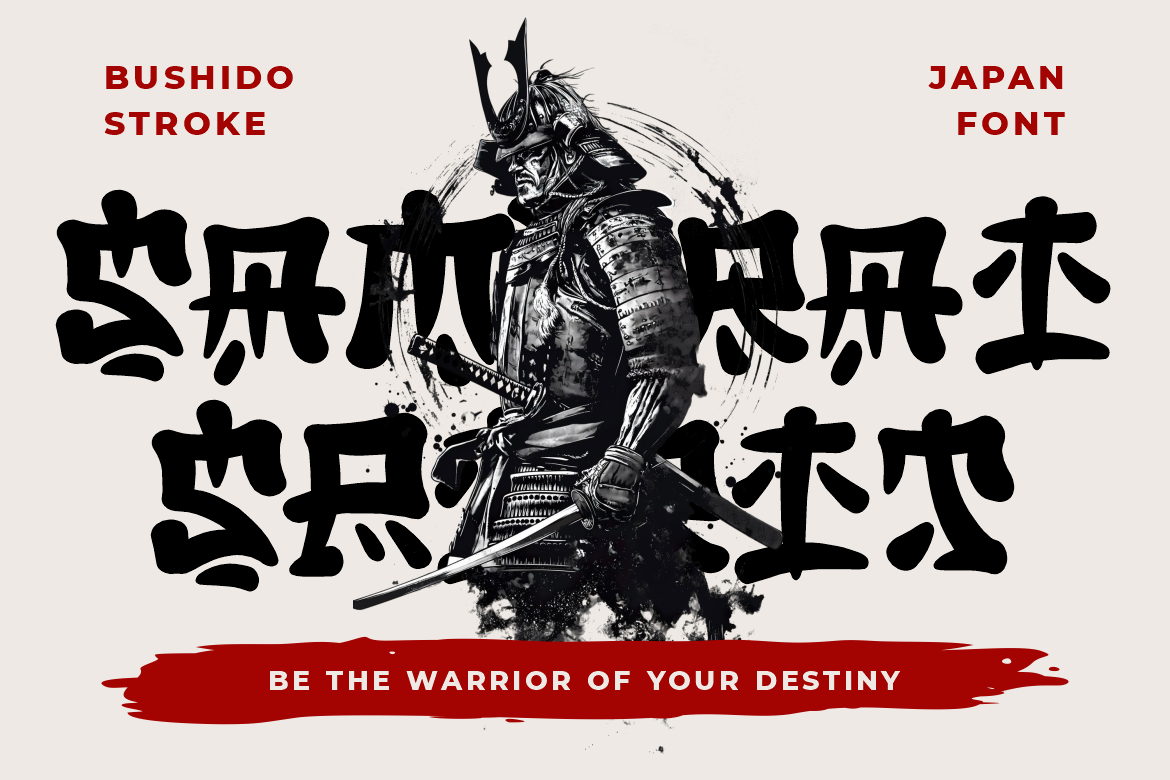
Bushido Stroke combines expressive handcrafted lettering with the dramatic energy of Japanese brush-inspired typography. Its thick strokes, compact proportions, irregular edges, and organic details create a powerful visual rhythm associated with traditional ink artistry. The font communicates movement, strength, and artistic confidence, making it particularly appealing for designs that require a bold cultural atmosphere. From cinematic titles to Japanese food branding, Bushido Stroke transforms short words into dynamic visual statements with a strong handcrafted personality.
PROS: Expressive brush strokes, organic edges, compact proportions, dramatic cultural appearance.
BEST FOR: Samurai-themed graphics, ramen branding, martial arts posters, gaming titles, and Japanese cultural promotions.
Comparison: Which Asian Font Should You Choose?
Each font communicates a different cultural inspiration and visual personality.
| Font | Visual Personality | Best Branding Direction |
|---|---|---|
| Takatsuki Style | Decorative, artistic | Japanese cultural branding |
| Maple Story | Playful, expressive | Korean lifestyle and pop culture |
| Royal Bangkok | Ornamental, elegant | Thai hospitality and heritage |
| Chinese Empire | Bold, structured | Chinese food and cultural brands |
| Bushido Stroke | Dramatic, handcrafted | Japanese action and traditional themes |
How to Use Asian-Inspired Typography Effectively
Use decorative Asian-style fonts primarily for logos, product names, short headlines, and promotional graphics.
Pair expressive lettering with clean supporting typography and culturally appropriate imagery. For authentic multilingual communication, use proper native-script fonts and verify translations with knowledgeable speakers.
Common Mistakes When Using Asian Fonts
One common mistake is treating Asian-inspired typography as a single universal design style. Japanese brush lettering, Korean pop-inspired characters, Thai decorative forms, and Chinese-style geometric lettering reflect different visual influences. Combining them without understanding their cultural context can create an inconsistent identity. Designers should research the intended audience, regional traditions, and artistic references before selecting typography. A culturally informed approach produces more meaningful branding than simply using decorative symbols to suggest an Asian atmosphere.
Another mistake is prioritizing visual decoration over readability and functionality. Excessive ornaments, complicated strokes, and tightly spaced letters may become difficult to recognize on small packaging or mobile screens. Designers should establish clear typography guidelines, use simpler supporting fonts, and test their compositions at different sizes. Commercial projects should also verify licensing coverage for logos, trademarks, merchandise, website embedding, and other intended applications.
Conclusion
The best Asian fonts for modern branding in 2026 offer exciting opportunities to combine cultural inspiration with contemporary visual communication.
Takatsuki Style provides decorative Japanese character, Maple Story introduces playful Korean influences, and Royal Bangkok offers ornamental Thai elegance. Chinese Empire delivers bold structural impact, while Bushido Stroke brings expressive Japanese brush energy.
The ideal typeface should complement your brand story, audience, and cultural direction while remaining recognizable across different applications.
Explore these premium Asian-inspired fonts at PutraCetol Studio and discover distinctive typography that brings artistic personality to your next creative branding project.
Explore these fonts and many more at PutraCetol.com to build a business identity that looks professional, trustworthy, and memorable.
Additionally, if you want to explore some free typography options, you can check out Putracetol Studio on Dafont. Happy reading and designing!