

The best approach to AI photo sharing 2026 is to treat every image as part of a connected audience experience. Rather than uploading hundreds of files after an event and expecting people to search manually, organizers can build a workflow that selects stronger images, identifies relevant subjects, delivers personal galleries, and presents everything through a consistent visual identity.
Event photos also lose momentum quickly. A guest who receives a polished image while the experience is still fresh is more likely to view, save, and share it. For photographers and content creators, faster distribution reduces repetitive work and creates more time for storytelling, client service, and future campaigns.
What AI Photo Sharing Means in 2026
AI-powered photo sharing combines several technologies instead of relying on one isolated feature. AI-assisted culling can group similar frames, flag blur or closed eyes, evaluate expressions, and recommend keepers while leaving the final decision to the photographer. Current creative tools can also combine culling, batch editing, and direct gallery publishing in one connected workflow.
Event platforms can match photos with registered attendees and deliver private galleries through a link or QR code, either instantly or after editing. This replaces the frustrating experience of searching through a large public album and creates a more personal interaction between the event and each guest.
Photo discovery is becoming more conversational as well. Natural-language search can help people find particular moments, activities, locations, or visual themes without knowing a file name. AI can also assist with selecting highlights and preparing draft captions for social media sharing.
Why Organizers, Creators, and Brands Benefit
Faster Event Engagement
A conference attendee could register for photo delivery, receive images from selected sessions, and open a branded gallery containing speaker highlights and a relevant call to action. At weddings, sports competitions, school celebrations, concerts, and community festivals, guests can locate their images without endless scrolling.
The photo gallery therefore becomes part of the event itself, not merely an archive that appears several days later.
A More Efficient Creator Workflow
Automated sorting, duplicate grouping, batch editing, and searchable archives make high-volume projects easier to manage. Creative communities can also organize collaborative uploads by person, activity, location, or topic, making shared visual libraries useful long after the event ends.
AI should handle repetitive organization, while photographers remain responsible for emotional relevance, storytelling, and final image quality.
A Stronger Brand Experience
For brands, the opportunity extends beyond speed. A gallery can include campaign typography, brand colors, sponsor messages, downloadable frames, product links, and social sharing prompts.
This turns photo delivery into a recognizable campaign touchpoint instead of a generic download page. The branding should support the photographs rather than cover them with excessive logos or promotional messages.
A Practical AI Photo Sharing Workflow
Begin With Clear Consent
Explain how photographs will be captured, matched, stored, and delivered, especially when facial or biometric recognition is involved. Provide an easy opt-in process and, where possible, another way for participants to locate images without face matching.
Connect Capture, Editing, and Delivery
Let AI identify duplicates and technical rejects, then allow the photographer to review the recommendations, preserve meaningful moments, apply a consistent edit, and publish images to the correct gallery.
Human judgment remains essential because the most emotional photograph is not always the most technically perfect one.
Create a Mobile-First Gallery
Prioritize fast-loading previews, accessible contrast, clear categories, concise captions, download permissions, and a visible sharing button. The gallery should be simple enough for a guest to open, understand, and use within seconds.
Organizers can measure useful signals such as gallery opens, downloads, shares, and call-to-action clicks. However, information should not be collected unless it supports a clear purpose.
Trust Is Part of the Experience
Privacy should be visible, not hidden inside lengthy event terms. Organizers need understandable retention periods, secure private galleries, accessible deletion options, and accurate information about whether a vendor uses uploaded photographs to train external AI models. The FTC has emphasized meaningful consent, reasonable security, and responsible handling when biometric information or facial recognition is involved.
Content provenance is also becoming more relevant as AI editing grows. C2PA Content Credentials can attach verifiable information about an image’s origin and modification history. They do not prove that a photograph represents the complete truth, but they can improve transparency by showing how the file was created or changed.
Jump to Recommended Fonts
Lucky Shirt | Dreamy Stroke | Bicycle Track | Summer Rhythm | Absolute Joyful
1. Lucky Shirt

Lucky Shirt gives gallery covers, celebration frames, stickers, and social sharing cards a playful, quirky personality. Its numerous ligatures help short phrases look custom-lettered, while multilingual support makes it practical for community events with varied audiences. Use it as an expressive display accent rather than for long captions or instructions.
PROS: Playful character, decorative ligatures, strong headline personality, multilingual support.
BEST FOR: Children’s events, birthdays, school activities, community galleries, and cheerful brand activations.
2. Dreamy Stroke Handwritten Script Font
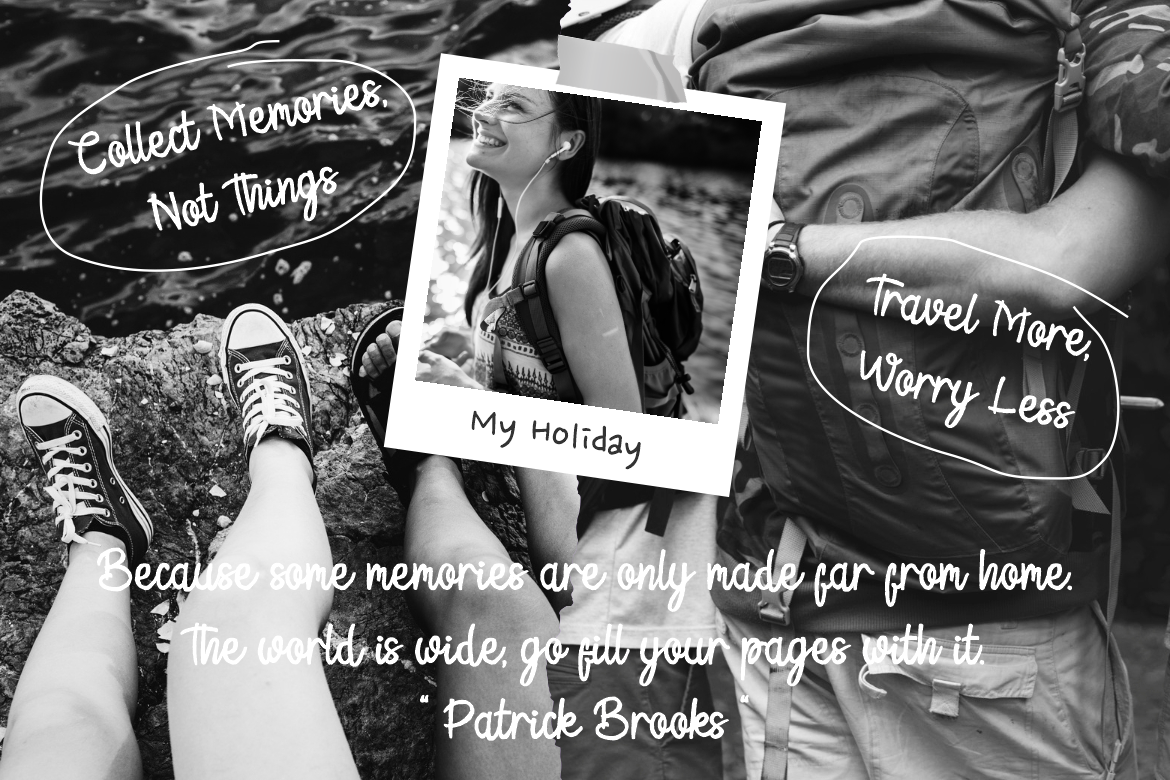
Dreamy Stroke has a soft handwritten flow that makes a digital gallery feel more personal and human. Its relaxed connected forms suit emotional captions, creator signatures, travel memories, thank-you cards, and storytelling covers. The balanced stroke weight gives headlines presence without losing the natural warmth of handwritten lettering.
PROS: Natural handwritten mood, smooth rhythm, versatile applications, emotional appeal.
BEST FOR: Weddings, travel communities, lifestyle creators, intimate events, and memory-led campaigns.
3. Bicycle Track
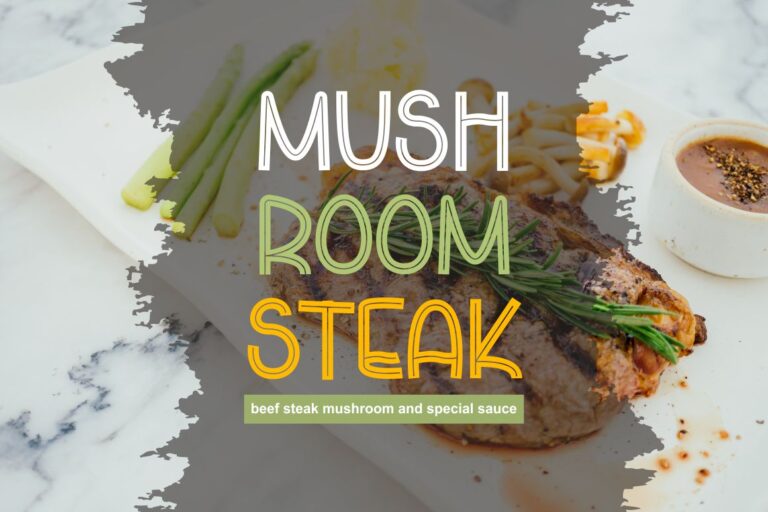
Bicycle Track is a quirky display font with many ligatures and an energetic handcrafted feel. It can give action-focused galleries a distinctive title treatment while also working for posters, invitations, apparel graphics, and branded social images. Its unusual letter connections are most effective in short, prominent phrases.
PROS: Numerous ligatures, memorable display style, multilingual support, flexible promotional use.
BEST FOR: Cycling events, sports communities, outdoor festivals, youth campaigns, and active photo stories.
4. Summer Rhythm Decorative Wavy Font

Summer Rhythm uses bold rounded forms and playful wave-cut edges to create movement before viewers even reach the photographs. Its retro-modern coastal personality suits galleries built around beaches, travel, food, music, and warm-weather campaigns. It is particularly effective for gallery covers, branded frames, and social launch graphics.
PROS: High-impact shape, rhythmic details, cheerful mood, strong brand recognition.
BEST FOR: Beach events, tropical campaigns, music festivals, travel brands, and seasonal photo drops.
5. Absolute Joyful

Absolute Joyful combines bold characters, smooth corners, and alternate letterforms to create an openly cheerful visual voice. It helps an AI photo gallery feel accessible, youthful, and celebratory without becoming too formal. Apply it to event names, category labels, greeting graphics, or short prompts encouraging guests to share their favorite moments.
PROS: Bold readability, friendly rounded forms, alternate characters, playful identity.
BEST FOR: Family events, children’s brands, comic-style campaigns, celebrations, and creative communities.
Font Comparison
| Font | Visual Personality | Strongest AI Photo-Sharing Use | Overall Tone |
|---|---|---|---|
| Lucky Shirt | Quirky and playful | Celebration frames and gallery covers | Friendly and youthful |
| Dreamy Stroke | Soft and handwritten | Personal captions and emotional stories | Warm and authentic |
| Bicycle Track | Energetic and handcrafted | Sports and outdoor event titles | Active and distinctive |
| Summer Rhythm | Bold and wavy | Seasonal campaigns and social launches | Sunny and expressive |
| Absolute Joyful | Rounded and cheerful | Family galleries and sharing prompts | Accessible and happy |
Common Mistakes in AI Photo Sharing
The first mistake is treating automation as a replacement for creative judgment. AI can identify duplicates, rank sharpness, and recommend technically strong images, but it may not understand why a blurred laugh, unexpected reaction, or crowded group photograph matters to the event’s story. Publishing every automated selection can make a gallery repetitive and emotionally flat. A better process allows AI to reduce the first round of manual work, then gives a photographer final control over narrative, diversity, context, and emotional relevance.
The second mistake is using face matching or behavioral tracking without clear consent. A small sentence hidden inside general event terms is not enough. Participants should understand what information is collected, why it is needed, who can access it, and when it will be deleted. Organizers should also provide secure delivery, prevent unnecessary public indexing, and verify that private event photos are not reused for unrelated AI training or external datasets.
The third mistake is overlooking visual identity after investing in advanced technology. Fast delivery cannot compensate for unreadable text, generic templates, oversized logos, weak mobile layouts, or a decorative font used across every caption. Choose one expressive typeface for titles and branded moments, then pair it with a clean, readable font for instructions, dates, buttons, and metadata. This keeps the experience memorable while allowing the photography to remain the main attraction.
Conclusion
AI photo sharing 2026 is moving photo delivery from a passive archive into a personalized and interactive part of the event. The most effective workflows combine intelligent culling, searchable content, private delivery, clear consent, human review, and purposeful brand design.
Technology determines how quickly people receive an image, but typography influences how the experience feels. Fonts from PutraCetol Studio can give each gallery a distinctive voice, from playful energy and handwritten warmth to outdoor motion and joyful accessibility.
Used with restraint, the right font can transform an automated gallery into a recognizable creative experience that audiences remember and are excited to share.
Explore these fonts and many more at PutraCetol.com to build a business identity that looks professional, trustworthy, and memorable.
Additionally, if you want to explore some free typography options, you can check out Putracetol Studio on Dafont. Happy reading and designing!