
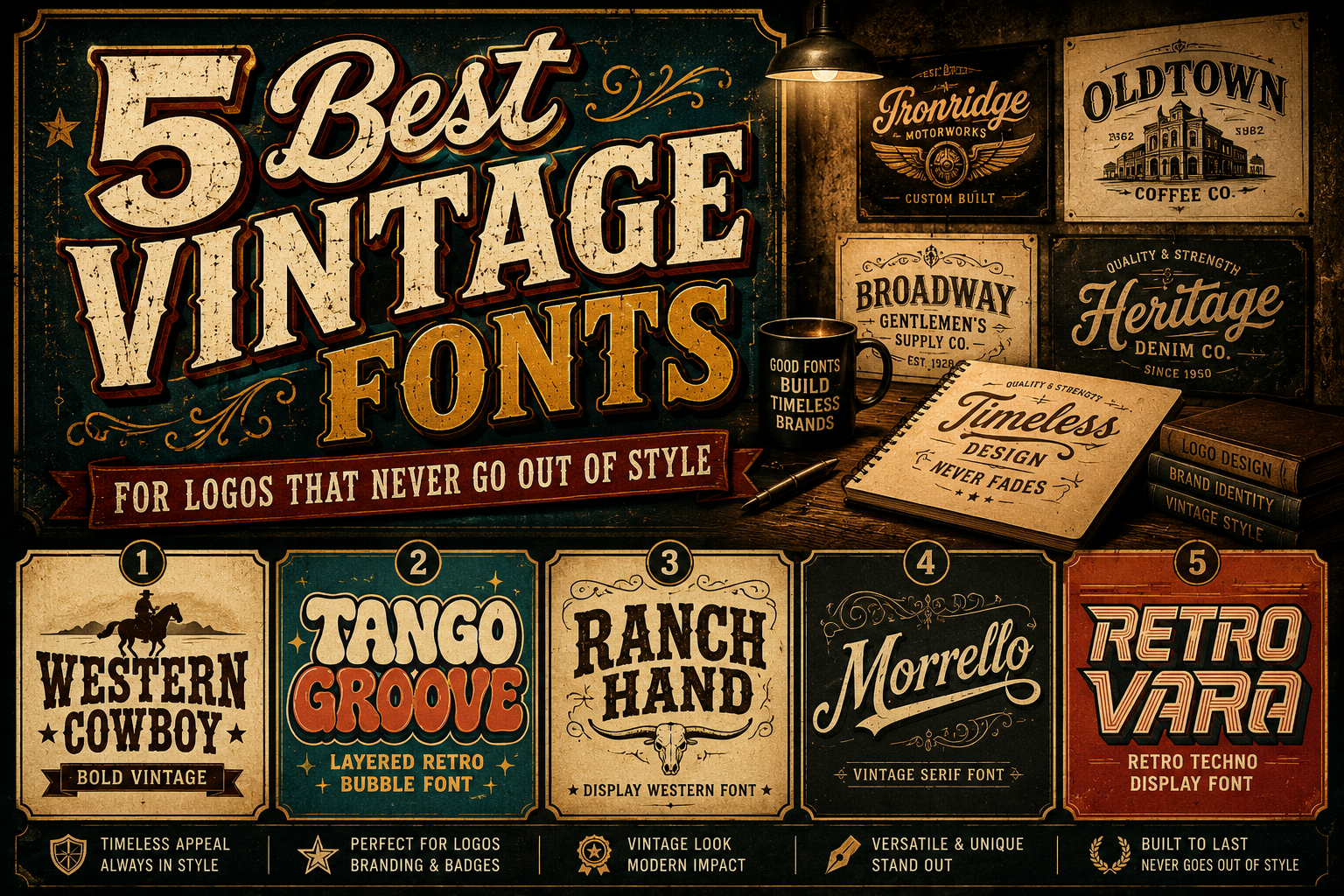
5 Best Vintage Fonts for Logos
Vintage design has never truly disappeared. While modern minimalist branding continues to dominate digital platforms, retro-inspired typography remains one of the strongest ways to create memorable visual identity. Vintage fonts bring nostalgia, personality, and emotional warmth into branding while still feeling relevant in modern design.
Today, many businesses intentionally use vintage fonts for logos because they help brands appear authentic, timeless, and visually distinctive. From coffee shops and fashion labels to beverage brands and lifestyle businesses, retro typography creates strong character that audiences instantly recognize.
Vintage typography works because it combines storytelling with visual identity. It reminds audiences of craftsmanship, tradition, and classic aesthetics while still allowing room for modern creativity.
In this article, we’ll explore five of the best vintage fonts for logos and how retro typography can strengthen branding across different industries.
Why Vintage Fonts Work in Modern Branding
Many people mistakenly assume vintage typography feels outdated. In reality, retro fonts continue to thrive because they create emotional connection and strong visual differentiation.
Vintage Fonts Create Personality
Modern sans-serif typography often feels clean and efficient, but vintage fonts introduce:
- Warmth
- Character
- Storytelling
- Authenticity
This helps brands feel more human and memorable.
Retro Branding Feels Timeless
Vintage-inspired logos often age better than trendy designs because they already reference timeless visual styles.
Retro typography creates:
- Familiarity
- Nostalgia
- Craftsmanship appeal
which strengthens emotional branding.
Strong Recognition Value
Vintage fonts usually contain:
- Unique letterforms
- Decorative details
- Bold proportions
These features help logos stand out in crowded markets.
Characteristics of Good Vintage Fonts
Not every retro font works effectively for branding. Strong vintage typography should balance personality with functionality.
1. Readability
Even decorative retro fonts must remain legible across:
- Websites
- Packaging
- Social media
- Signage
Strong branding requires clarity.
2. Distinctive Personality
Vintage fonts should immediately communicate mood and style.
Different retro aesthetics create different emotional impressions:
- Western → Rugged and rustic
- Hollywood retro → Glamorous and cinematic
- Industrial vintage → Strong and masculine
3. Modern Flexibility
The best vintage fonts maintain classic aesthetics while still working effectively in contemporary branding systems.
1. Western Cowboy – Rustic and Bold

Western Cowboy is inspired by classic western advertisements and old frontier typography.
Why It Works for Logos
Its bold serif structure creates:
- Rugged personality
- Strong visibility
- Authentic retro atmosphere
The font immediately evokes vintage Americana and handcrafted branding.
Best For
- Coffee shops
- Barbecue restaurants
- Western apparel
- Rustic lifestyle brands
Branding Strength
Western Cowboy works exceptionally well for businesses wanting:
- Bold identity
- Vintage authenticity
- Strong logo recognition
2. Tango Groove – Retro Hollywood Style
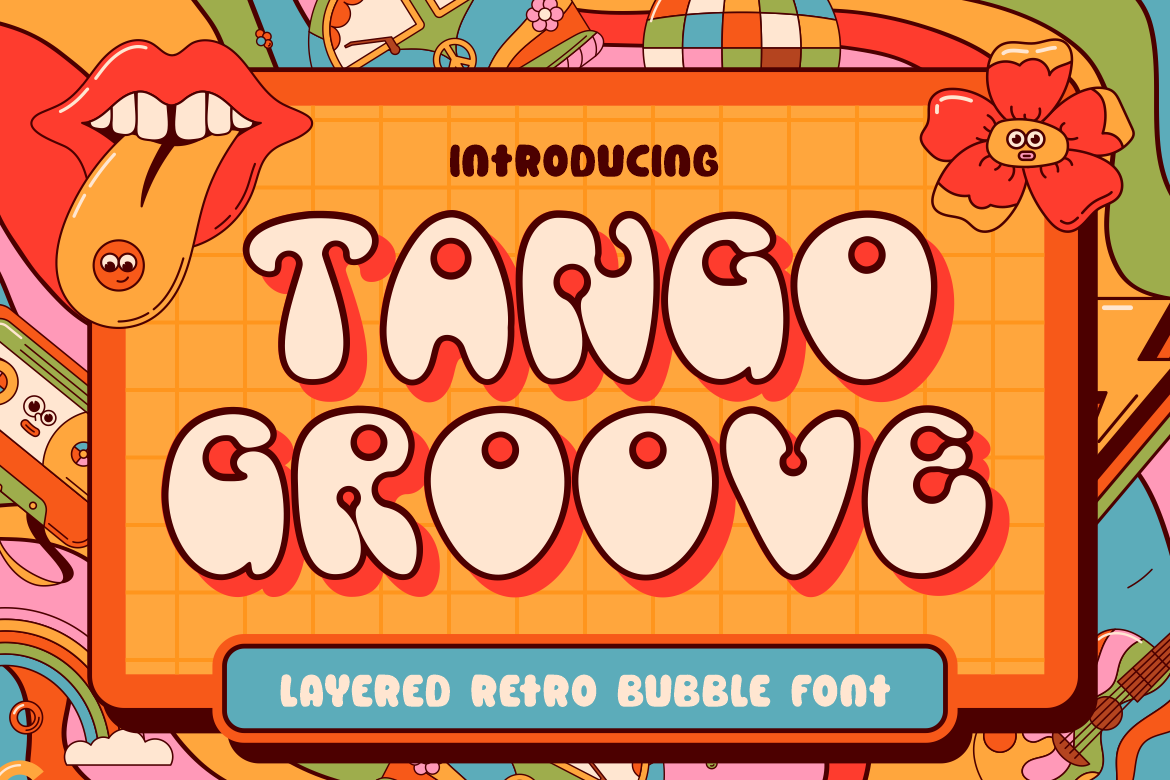
Tango Groove combines retro aesthetics with dimensional visual styling inspired by vintage Hollywood signage.
Why It Works for Logos
Its layered and cinematic feel creates:
- Glamour
- Nostalgia
- Premium retro identity
The font feels expressive without losing readability.
Best For
- Entertainment branding
- Event logos
- Creative studios
- Vintage signage
Visual Personality
Tango Groove stands out because of its:
- Decorative structure
- Retro curves
- Classic cinema-inspired atmosphere
3. Ranch Hand – Wild West Typography

Ranch Hand delivers strong Wild West aesthetics with bold vintage character.
Why It Works for Logos
The font combines:
- Rustic energy
- Bold visibility
- Old western charm
Its heavy letterforms help logos feel grounded and memorable.
Best For
- Beverage brands
- Beer packaging
- Outdoor businesses
- Rustic branding
Packaging Strength
Ranch Hand works especially well for:
- Bottle labels
- Product packaging
- Merchandise branding
because of its strong visibility.
4. Morrello – Wide and Flexible Serif

Morrello is a bold serif font with wide proportions and elegant retro structure.
Why It Works for Logos
Its flexibility allows designers to:
- Customize layouts
- Add retro effects
- Create layered branding systems
while maintaining strong readability.
Best For
- Editorial branding
- Fashion logos
- Lifestyle brands
- Creative businesses
Design Advantage
Morrello balances:
- Vintage elegance
- Modern adaptability
- Strong visual structure
making it highly versatile.
5. Retrovara – Structural and Timeless
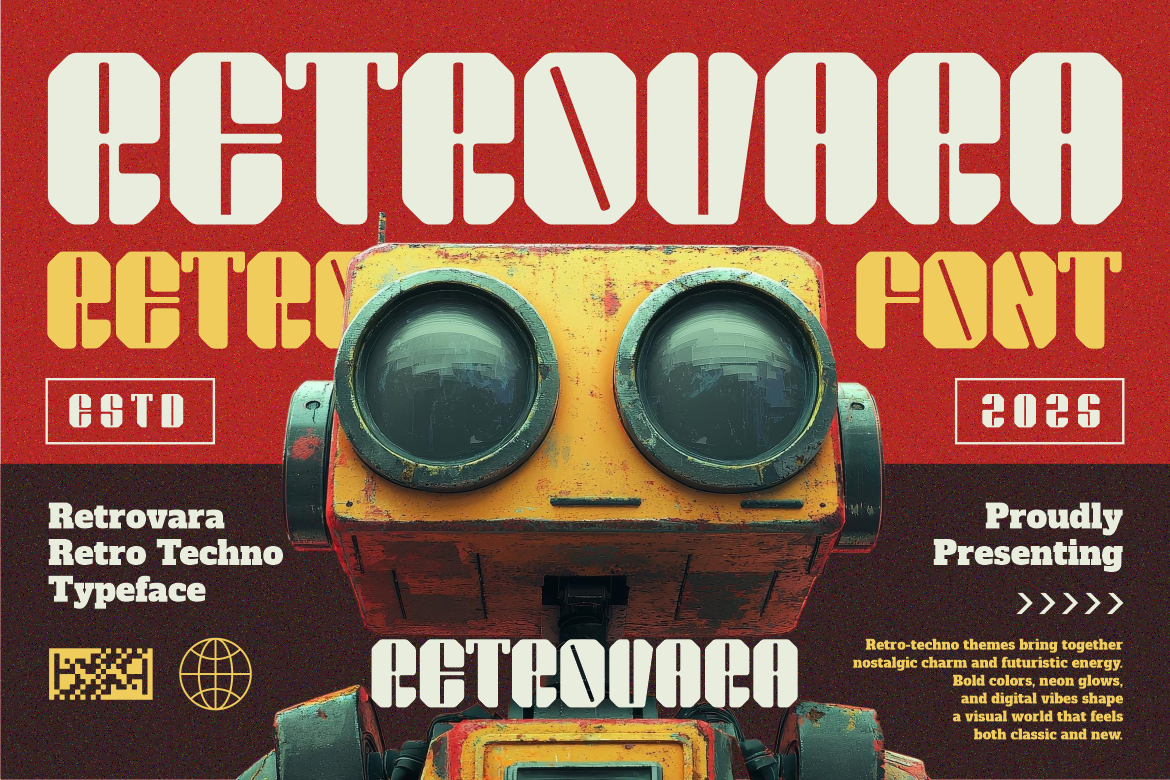
Retrovara combines architectural retro aesthetics with modern branding flexibility.
Why It Works for Logos
Its strong structural letterforms create:
- Confidence
- Timeless branding
- Professional retro identity
The font feels vintage while remaining clean enough for modern applications.
Best For
- Corporate retro branding
- Café signage
- Lifestyle logos
- Boutique businesses
Branding Strength
Retrovara works well across:
- Packaging
- Digital branding
- Storefront signage
- Social media visuals
Quick Summary Table
| Font | Characteristics | Best Use |
|---|---|---|
| Western Cowboy | Rustic, bold | Western & rustic brands |
| Tango Groove | Retro Hollywood, decorative | Entertainment & signage |
| Ranch Hand | Wild West, strong | Beverage & beer logos |
| Morrello | Wide serif, flexible | Fashion & editorial |
| Retrovara | Structural, timeless | Boutique & lifestyle |
How Vintage Fonts Strengthen Brand Identity
Typography is one of the most recognizable branding elements.
Vintage fonts help brands:
- Appear more distinctive
- Create nostalgic connection
- Build emotional storytelling
- Improve memorability
This emotional quality makes retro branding especially powerful.
Industries That Benefit from Vintage Typography
Retro typography works exceptionally well for businesses wanting strong personality and storytelling.
Food & Beverage
Vintage fonts create handcrafted and authentic impressions for:
- Coffee brands
- Breweries
- Restaurants
- Bakeries
Fashion & Lifestyle
Retro typography helps fashion brands appear:
- Artistic
- Curated
- Timeless
Entertainment & Creative Industries
Vintage display fonts add:
- Character
- Drama
- Visual richness
to posters, signage, and promotional campaigns.
Best Practices for Using Vintage Fonts
Combine Vintage Fonts with Modern Layouts
One effective strategy is pairing retro typography with:
- Minimal layouts
- Clean color palettes
- Modern spacing
This prevents designs from feeling outdated.
Prioritize Readability
Avoid overly decorative fonts that reduce clarity.
Use Vintage Fonts Strategically
Retro typography works best for:
- Headlines
- Logos
- Packaging
- Hero text
rather than large blocks of body text.
Common Mistakes in Vintage Branding
Overloading Designs with Effects
Too many textures, shadows, or ornaments can make branding feel cluttered.
Mixing Conflicting Styles
Combining unrelated vintage aesthetics weakens visual consistency.
Ignoring Modern Usability
Logos still need to work on:
- Mobile screens
- Websites
- Social media
- Small packaging
Why Vintage Branding Remains Popular
Modern audiences increasingly value:
- Authenticity
- Craftsmanship
- Storytelling
- Emotional branding
Vintage typography naturally supports these qualities.
Retro-inspired branding often feels:
- More personal
- More human
- More memorable
than generic corporate design.
Typography Trends in Retro Branding
Modern vintage branding increasingly combines:
- Retro typography
- Minimalist layouts
- Neutral color palettes
- Contemporary composition
This creates branding that feels nostalgic yet modern.
Final Thoughts
Choosing the right vintage fonts for logos can dramatically strengthen visual identity and help brands stand out in competitive markets. Retro typography offers warmth, personality, and timeless character that modern minimalist branding sometimes lacks.
Fonts like Western Cowboy, Tango Groove, Ranch Hand, Morrello, and Retrovara demonstrate how vintage typography can adapt to many industries, from beverage brands and fashion labels to entertainment and lifestyle businesses.
The key to successful retro branding is balancing classic aesthetics with modern usability. When used strategically, vintage fonts create logos that feel memorable, authentic, and emotionally engaging across both digital and print media.
For more inspiration, creative resources, and practical design tips, visit Putracetol.com and explore creative resources that can elevate your next web project. Thank you for taking the time to read this article. If you are looking for more great articles, feel free to visit Putracetol Blog.
Additionally, if you want to explore some free typography options, you can check out Putracetol Studio on Dafont. Happy reading and designing!