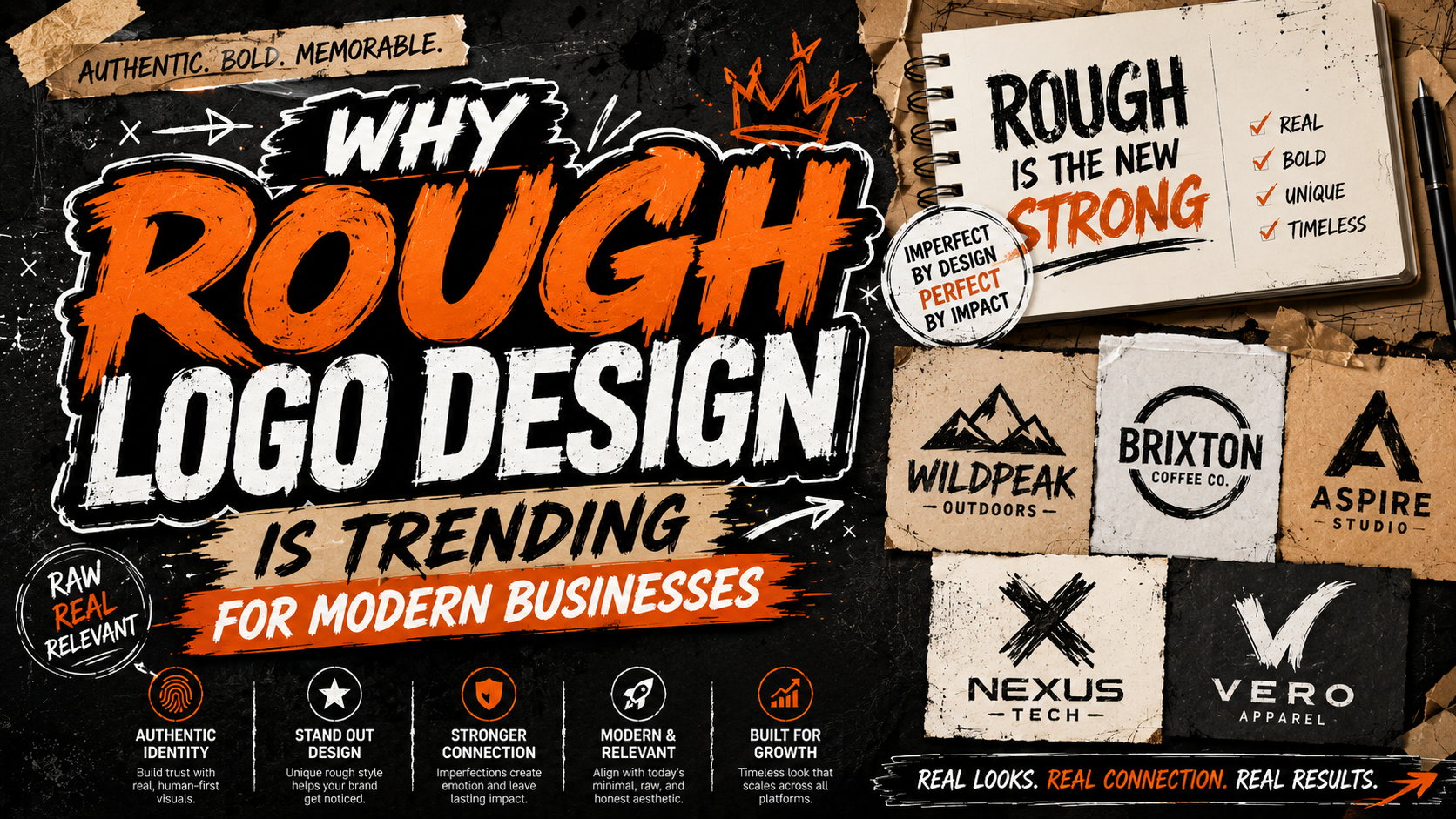
In a world filled with polished branding, minimalist logos, and perfectly symmetrical designs, many busIn a marketplace filled with sleek logos, geometric icons, and polished branding systems, many businesses are choosing a different path. They are embracing rough logo design to create identities that feel more authentic, expressive, and memorable.
A rough logo design intentionally incorporates visual imperfections such as distressed textures, uneven lines, handcrafted typography, brush strokes, rough edges, and raw artistic elements. Instead of appearing unfinished, these details create personality and help brands connect with audiences on a more emotional level.
Consumers today are increasingly drawn to brands that feel genuine and human. As a result, rough logos have become popular across industries such as coffee shops, craft breweries, streetwear brands, outdoor companies, tattoo studios, creative agencies, and artisan product businesses. Designers are also seeing a renewed interest in grunge-inspired aesthetics, handcrafted visuals, and typography with visible character because they help brands stand apart from the growing sea of generic visual identities.
If your goal is to create a brand that feels bold, rebellious, handcrafted, or simply different from the competition, rough logo design may be exactly what you need.
Initial Suggestion
Before creating a rough logo, it’s important to understand that “rough” does not mean messy.
The strongest rough logo designs are carefully crafted to appear natural while remaining functional and memorable.
Start with Brand Personality
Ask yourself:
- Do you want your brand to feel handcrafted?
- Rugged and adventurous?
- Creative and artistic?
- Vintage and nostalgic?
- Urban and rebellious?
Your answers will help determine the level of texture, distress, and roughness needed in the design.
Prioritize Recognition
A logo should still be recognizable at any size.
Whether it appears on a website favicon, business card, storefront sign, or product packaging, the design must remain clear and identifiable.
Use Typography as the Main Character
Many successful rough logos rely heavily on expressive typography rather than complex symbols.
A strong rough font can communicate:
- Authenticity
- Craftsmanship
- Independence
- Adventure
- Creativity
- Street culture
Build a Consistent Visual System
Your logo style should influence the rest of your branding, including:
- Packaging
- Social media graphics
- Website design
- Merchandise
- Advertising materials
Consistency transforms a logo into a recognizable brand identity.
Jump to Recommended Fonts
Choosing the right font is often the fastest way to achieve an effective rough logo design. Below are five font styles commonly used by designers and branding professionals.
1. Distressed Display Fonts
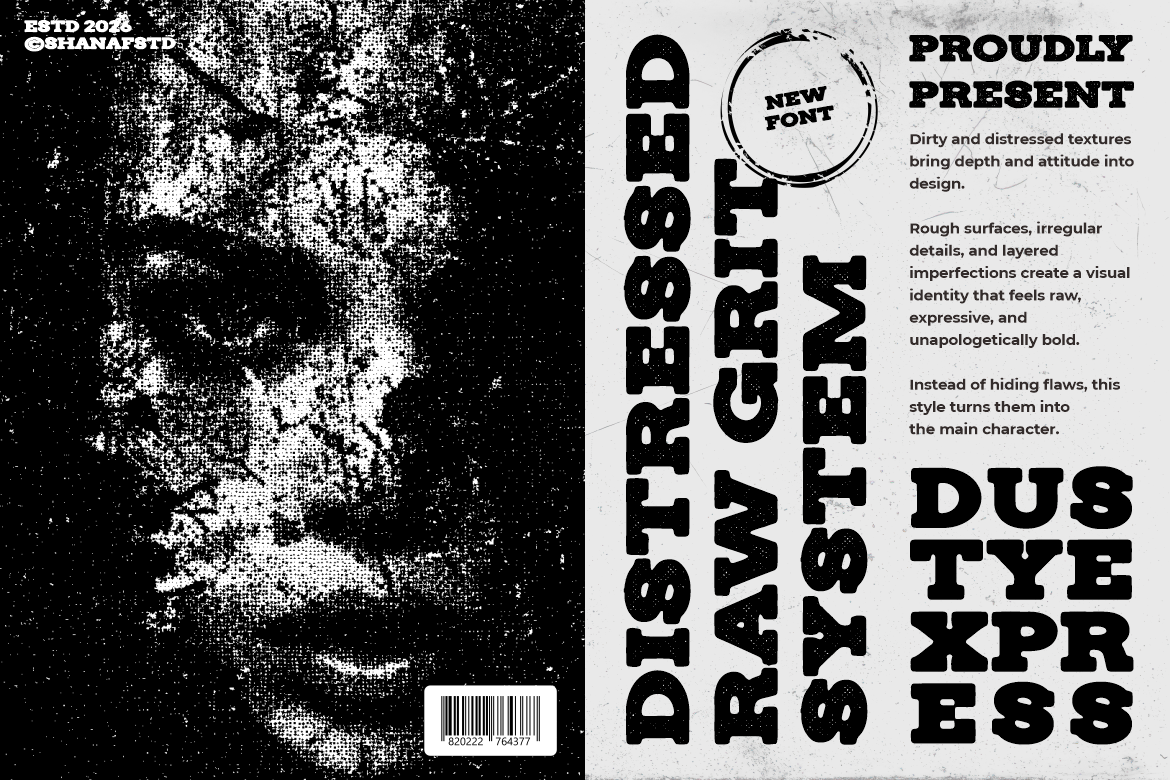
Distressed fonts feature worn textures, damaged edges, and vintage-inspired imperfections.
Pros
- Strong visual personality
- Excellent for large logo applications
- Instantly creates vintage appeal
- Highly memorable
Best For
- Craft breweries
- Coffee roasters
- BBQ restaurants
- Outdoor brands
- Motorcycle companies
- Handmade products
2. Brush Fonts

Brush fonts simulate natural hand-painted lettering and expressive brush strokes.
Pros
- Human and authentic appearance
- Dynamic movement
- Creative personality
- Strong storytelling potential
Best For
- Creative agencies
- Personal brands
- Art studios
- Food trucks
- Lifestyle brands
- Handmade businesses
3. Grunge Fonts
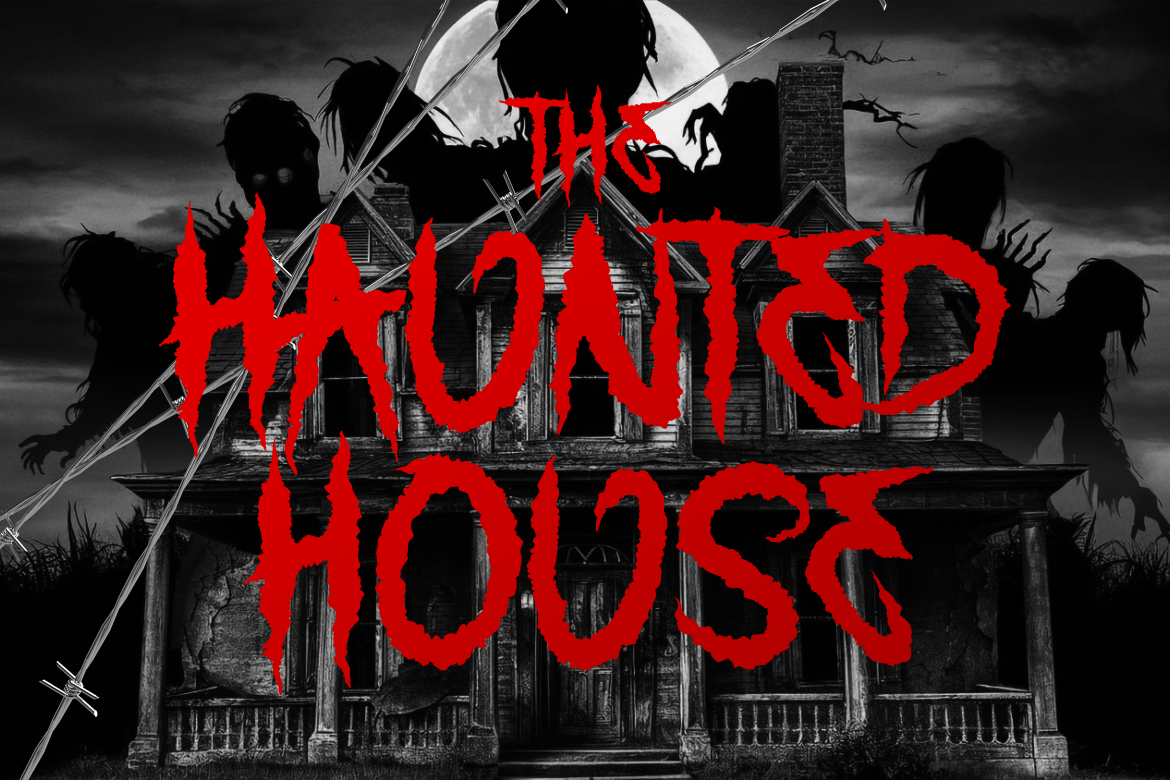
Grunge typography embraces rough textures, distressed effects, and imperfect forms.
Pros
- High visual impact
- Unique appearance
- Strong emotional appeal
- Excellent brand differentiation
Best For
- Alternative fashion
- Music brands
- Tattoo studios
- Gaming projects
- Event promotions
- Street culture businesses
The return of grunge aesthetics reflects a growing demand for originality and authenticity in modern branding. Many brands are using rough textures and expressive typography to stand apart from minimalist design trends.
4. Hand-Drawn Fonts
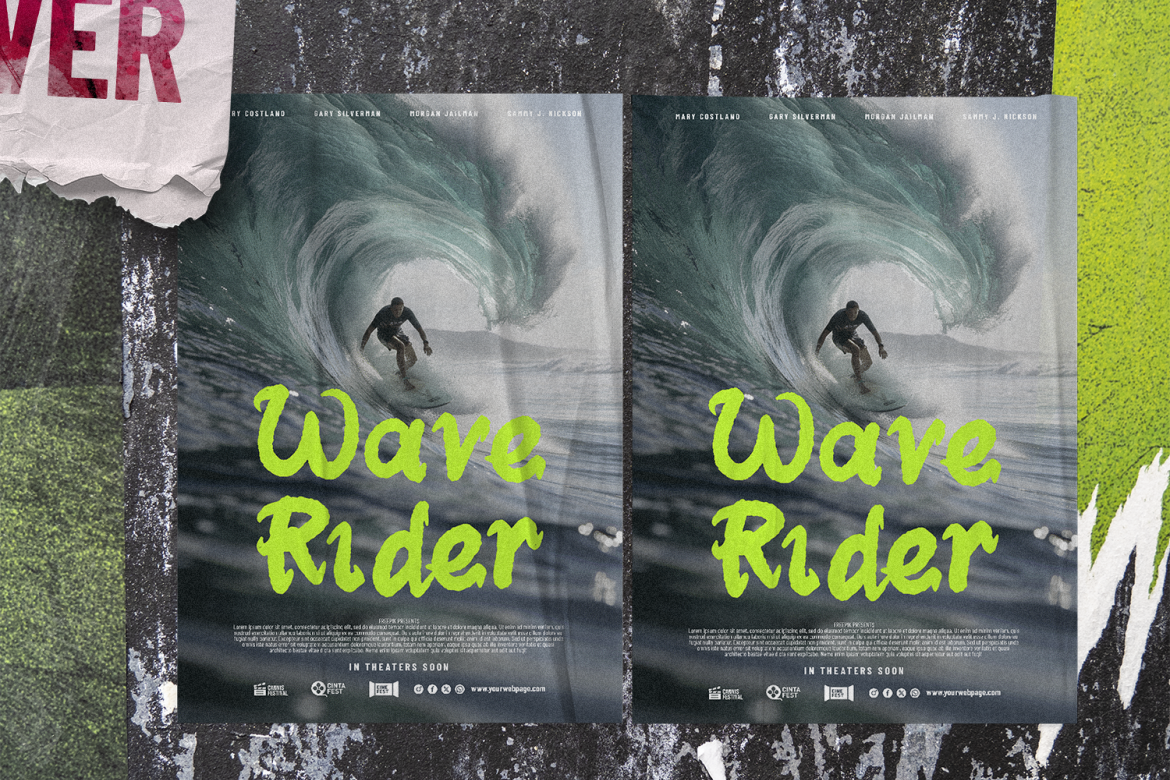
Hand-drawn fonts feature irregular shapes and natural imperfections.
Pros
- Friendly personality
- Handmade appearance
- Approachable visual style
- Strong creative appeal
Best For
- Artisan products
- Local businesses
- Children’s brands
- Organic products
- Cafés
- Boutique shops
5. Urban Street Fonts
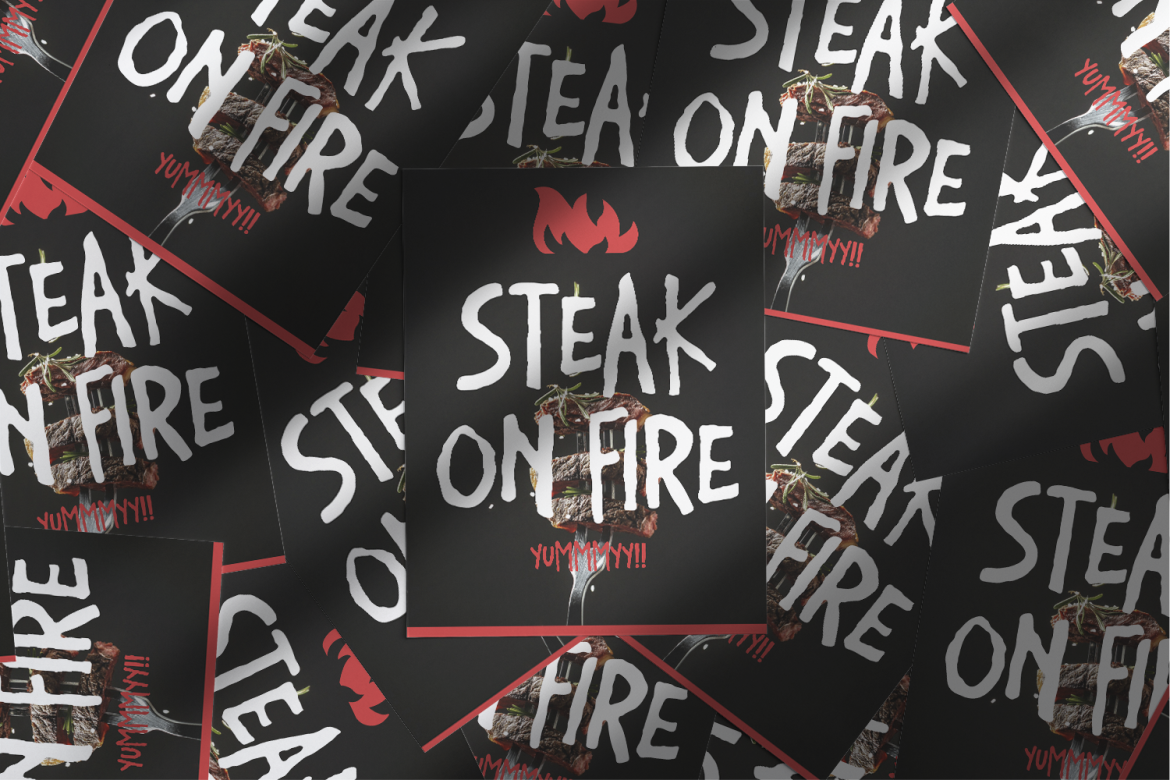
Inspired by graffiti, skate culture, and street signage.
Pros
- Bold character
- Modern energy
- Youth-oriented appeal
- Highly distinctive
Best For
- Streetwear brands
- Sports apparel
- Gaming communities
- Music labels
- Youth-focused startups
- Urban lifestyle brands
Comparison
| Font Style | Personality | Readability | Branding Impact | Best Industry |
|---|---|---|---|---|
| Distressed Display | Vintage & Rugged | High | Very High | Craft & Outdoor |
| Brush Fonts | Creative & Personal | Medium | High | Creative Businesses |
| Grunge Fonts | Rebellious & Raw | Medium | Very High | Alternative Brands |
| Hand-Drawn Fonts | Friendly & Handmade | High | High | Artisan Products |
| Urban Street Fonts | Bold & Energetic | Medium | Very High | Streetwear & Gaming |
Recommended Based on Brand Personality
The First For Authentic Craft Brands
- Distressed Display Fonts
- Hand-Drawn Fonts
And Second For Creative Businesses
- Brush Fonts
- Hand-Drawn Fonts
Also You Can Use For Edgy and Rebellious Brands
- Grunge Fonts
- Urban Street Fonts
For Youth-Oriented Markets
- Urban Street Fonts
- Grunge Fonts
For Premium Rustic Branding
- Distressed Display Fonts
- Brush Fonts
Common Mistake
Many businesses are attracted to rough logo design but make avoidable mistakes during the process.
Adding Too Much Texture
Excessive distress effects can reduce clarity and make logos difficult to reproduce across different media.
Ignoring Readability
A logo should remain recognizable even when scaled down.
Following Trends Without Strategy
Not every brand benefits from a rough identity.
Industries such as finance, healthcare, and legal services often require more refined visual systems.
Mixing Multiple Rough Styles
Combining grunge, brush, graffiti, and distressed effects in one logo can create confusion rather than character.
Forgetting Scalability
A successful logo must work on:
- Websites
- Mobile screens
- Packaging
- Merchandise
- Signage
The most effective rough logos maintain strong structure underneath their distressed appearance, ensuring flexibility across different applications.
Conclusion
A great rough logo design proves that perfection is not always the goal.
By embracing texture, imperfections, and expressive typography, brands can create identities that feel more authentic, memorable, and emotionally engaging. In a world where many logos look increasingly similar, rough branding offers a powerful way to stand out.
Whether you’re launching a new business, refreshing an existing identity, or searching for inspiration for your next client project, rough logo design can help communicate originality and confidence.
The foundation of every successful rough logo starts with typography. Choosing a font with genuine character gives your brand an immediate advantage and creates a stronger emotional connection with your audience.
Explore the rough, distressed, brush, and handcrafted fonts available at PutraCetol.com to build a logo that feels bold, authentic, and impossible to ignore.
For more inspiration, creative tools, and high-quality fonts, platforms like Putracetol.com offer valuable resources to help you bring your ideas to life.
Additionally, if you want to explore some free typography options, you can check out Putracetol Studio on Dafont. Happy reading and designing!