
The Rise of Digital Publishing With Low-Content Books
In the world of online income, few models combine simplicity, speed, and scalability as effectively as publishing low-content books. These books ranging from blank journals and sketchbooks to planners, guestbooks, and logbooks, offer minimal text or illustration, yet generate meaningful earnings for thousands of independent creators. Publishing low-content books is increasingly popular for those seeking passive income, and for good reason: the process is straightforward, costs are minimal, and the earning potential is substantial.
With platforms like Amazon Kindle Direct Publishing (KDP), anyone can design a book and make it available globally without touching a printing press or managing inventory. Amazon handles printing, shipping, and customer service. Creators focus on product creation and niche targeting. And in return, authors can earn up to 70% in royalties, making it a smart long-term business model.
Who Is This Business Model For?
The best part about publishing low-content books is its accessibility. You don’t need to be a seasoned writer or have a graphic design degree. Teachers, stay-at-home parents, artists, students, and digital entrepreneurs are embracing this model. If you enjoy working with tools like Canva, PowerPoint, or even Photoshop, you’re already halfway there. Even beginners can start designing by using pre-made templates and free design elements.
Font selection plays a surprisingly important role in this process. A well-chosen typeface can set the mood for a gratitude journal, make a coloring book title stand out, or turn a recipe book into something personal and charming. Fonts from Putracetol Studio can help elevate your covers or even your interior title pages.
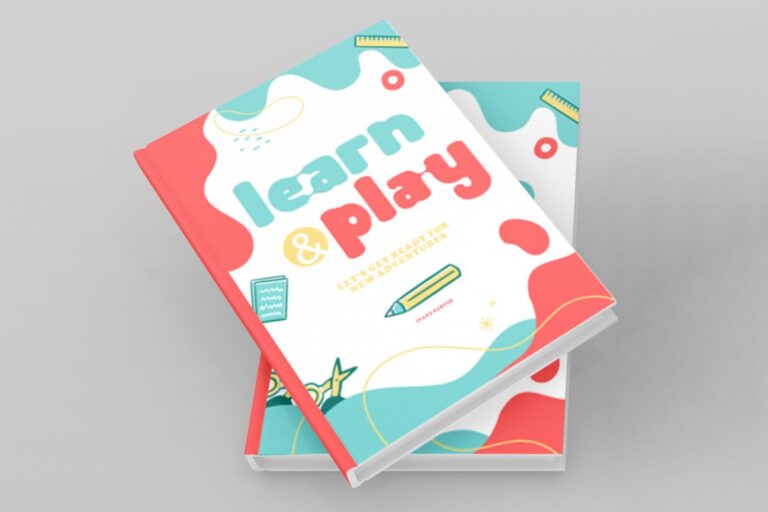
For example, Sticky Glue works beautifully on playful journals or themed sketchbooks. It’s bold and quirky, great for targeting younger audiences or creative niches. However, due to its bouncy, exaggerated style, it’s not ideal for more formal book types like planners or logbooks.
When and Where to Start Publishing
One of the strengths of this model is that you can begin at any time, from anywhere. All you need is a computer, an internet connection, and a free Amazon KDP account. From there, creators can upload PDF interiors and covers, set a price, and publish their books to the world. No physical inventory means no upfront manufacturing costs only your time and effort are invested.
Many successful publishers begin by creating evergreen books that sell year-round: gratitude journals, fitness trackers, daily planners, or wedding guestbooks. Others capitalize on seasonal or trending niches, like Halloween activity books or holiday recipe logs.
If you’re designing a vintage-themed guestbook, consider using a font like Burgs Multiply. It delivers a classic flair that feels rustic and timeless. While it cuts well for bold headlines, it may feel too decorative for small subheadings or minimal covers.
Why Publishing Low-Content Books Is So Effective
The appeal lies in efficiency. Unlike traditional publishing, this approach doesn’t require months of content writing or illustrations. Many creators can publish a complete book in a single day, especially when using templates for interiors and covers. And because there’s no shipping or storage to manage, scalability is built in from the beginning.
This also makes it a perfect entry point for anyone looking to build digital products or test business ideas. You can publish 10–20 books across different niches to see what performs, then scale your efforts accordingly.
If you’re publishing notebooks for a younger demographic, Chubby Elephant offers a soft, bubbly look that appeals to kids and teens. It’s readable, printable, and adds just enough fun to journal covers and coloring books.
How to Build and Upload Your First Book
The process starts with niche research. Look on Amazon for top-selling journals, planners, or coloring books and identify gaps in design or format. Then create your book interior, this could be dot grid pages, weekly planners, sketchbook pages, or custom prompts using tools like Canva or PowerPoint. Once done, export it as a print-ready PDF.
Next comes the cover. KDP has strict formatting rules, so follow their sizing guide. Here, fonts really shape your visual identity. A floral recipe book might use Twilight Blossom, a delicate script font with romantic flair. It works great for print covers and pen-ready titles but should be used sparingly in body text due to its flourish.
After your cover and interior are complete, log in to KDP, upload your files, add a description, choose keywords and categories, and hit publish. In most cases, your book will be live on Amazon within 72 hours.
Finding the Right Fonts for Your Target Audience
Different niches call for different tones and your font must reflect that. A homeschool planner might benefit from Binlay, an elegant script that adds a personal touch while still remaining clear. It’s ideal for section headings or quote pages but might appear too delicate for busy backgrounds.
A funny coloring book for teens, on the other hand, might pair well with Double Pineapple, which brings a retro, bold energy perfect for expressive, light-hearted covers. Just note that its condensed form can get tricky to read if scaled down too far.
For more functional books like budget planners or password trackers, clean sans serif fonts like Scarf Bandana deliver impact without distraction. Its sturdy build prints well on matte and glossy paper but doesn’t offer much personality, so it’s best for more utilitarian books.
Success Stories and Long-Term Potential
Some creators report earning over $10,000 per month from publishing low-content books. While not every book will be a bestseller, the cumulative nature of this business means that over time, your catalog grows and so does your income. A well-performing planner or notebook can bring in passive income for years.
Of course, consistency and quality are key. Using attractive fonts, well-researched niches, and polished layouts will make your books stand out. Keep optimizing based on what sells and consider creating themed series to build customer loyalty.
Conclusion: Start Your Passive Income Journey Today
Publishing low-content books offers a unique entry point into digital entrepreneurship. It’s a scalable, low-risk model with real-world earning potential. With platforms like Amazon KDP, you don’t need to worry about printing or logistics you just need a good idea, a clean design, and the right fonts to bring it to life.
Explore font options at Putracetol Studio to enhance your covers and pages. With smart design choices, niche focus, and consistent output, publishing low-content books can be your first step toward building a sustainable passive income stream.
Thank you for taking the time to read this article. If you are looking for more great articles, feel free to visit Putracetol Blog
Additionally, if you want to explore some free typography options, you can check out Putracetol Studio on Dafont. Happy reading and designing!