

Poster design is one of the most direct forms of visual communication. Unlike books or websites, posters often have only a few seconds to capture attention, deliver a message, and leave a lasting impression. In this context, typography is not just a supporting element. It is often the main visual focus.
Fonts for poster design must work fast and work hard. They need to be readable from a distance, visually striking, and aligned with the theme of the event, product, or message being promoted. A strong poster font can attract viewers instantly, while a weak one can cause the message to be ignored entirely.
This article explores 8 recommended fonts for poster design, focusing on styles that balance readability, contrast, and visual character. Drawing inspiration from curated font collections at Putracetol.com, these recommendations are suitable for a wide range of poster applications, from music events and art exhibitions to formal events and product promotions.
Why Font Choice Matters in Poster Design
Posters compete for attention in busy visual environments. Whether placed on streets, social media feeds, or event venues, posters are surrounded by noise. Typography helps cut through that noise.
The right poster font:
- Grabs attention instantly
- Communicates the message clearly
- Reinforces brand or event identity
- Creates emotional impact
In poster design, fonts are often more important than images. A single bold headline can determine whether someone stops to look or keeps walking.
Key Characteristics of Good Poster Fonts
Before selecting specific fonts, it is important to understand what makes typography effective in poster design.
High Readability
Poster text must be readable at a glance. Viewers may see the poster from several meters away or while moving.
Good poster fonts have:
- Clear letter shapes
- Strong stroke contrast
- Open counters
Overly thin or complex fonts reduce legibility and should be avoided for main messages.
Strong Contrast
Contrast helps text stand out against backgrounds. This includes:
- Font weight
- Color contrast
- Size hierarchy
Bold fonts perform especially well for headlines, which are the core of most poster designs.
Attractive Aesthetics
Typography should match the theme and mood of the poster. A music festival, art exhibition, or corporate event all require different visual tones.
The right font strengthens:
- Emotional connection
- Message clarity
- Visual identity
Headline Focus
In posters, typography often becomes the central visual element. Headlines must be bold, expressive, and dominant.
Supporting text should complement the headline without competing with it.
8 Recommended Fonts for Poster Design from Putracetol.com
Below are eight font recommendations organized by style and practical use. Each font type serves a specific purpose in poster design.
1. Votrag – Bold Sans Serif Impact

Votrag is a bold sans-serif font designed for clarity and strength. Sans-serif bold fonts are among the most effective choices for posters due to their visibility and modern appearance.
Best Use Cases
- Music concerts
- Promotional posters
- Public announcements
Why It Works
- Highly legible from a distance
- Strong, modern presence
- Clean structure
Votrag is ideal when the goal is instant visibility and message clarity.
2. Black Crest – Display Font with Character
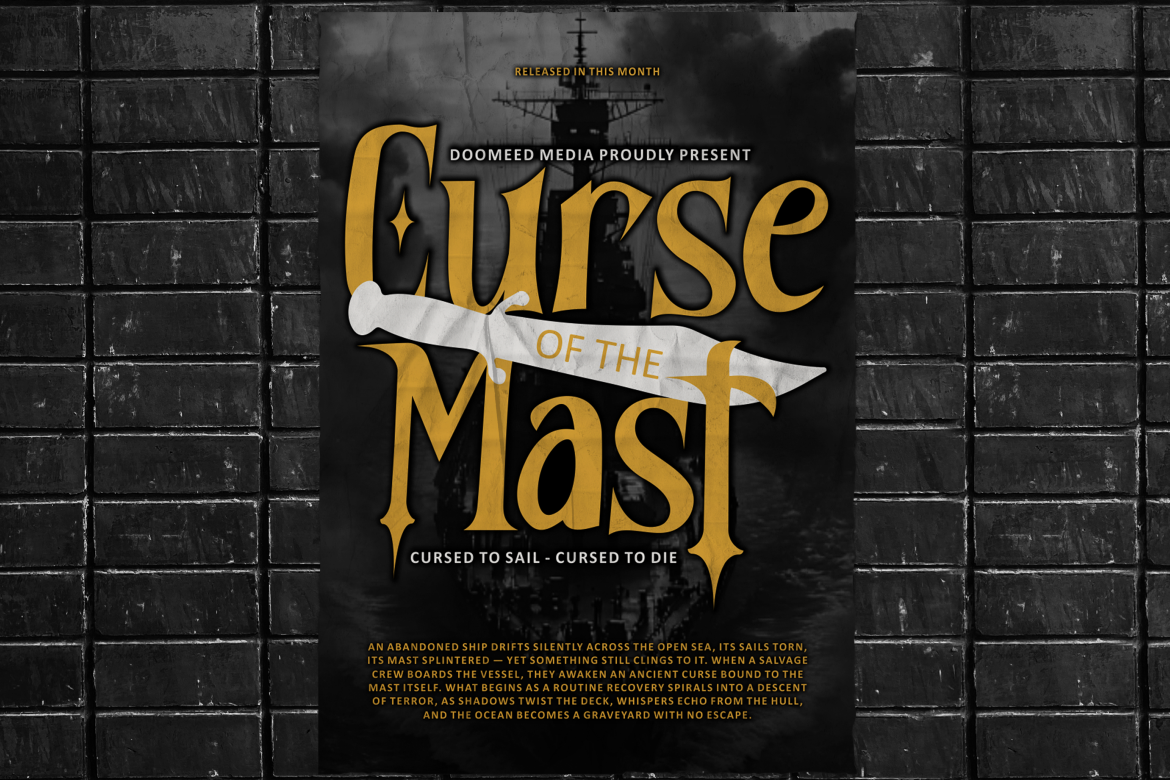
Black Crest is a display font created specifically for headlines. Display fonts are designed to attract attention and add personality.
Best Use Cases
- Event posters
- Brand campaigns
- Creative promotions
Why It Works
- Bold and expressive
- Strong visual identity
- Perfect for large headlines
Black Crest works best when used sparingly as a focal point.
3. Marie Clarie – Expressive Script Style
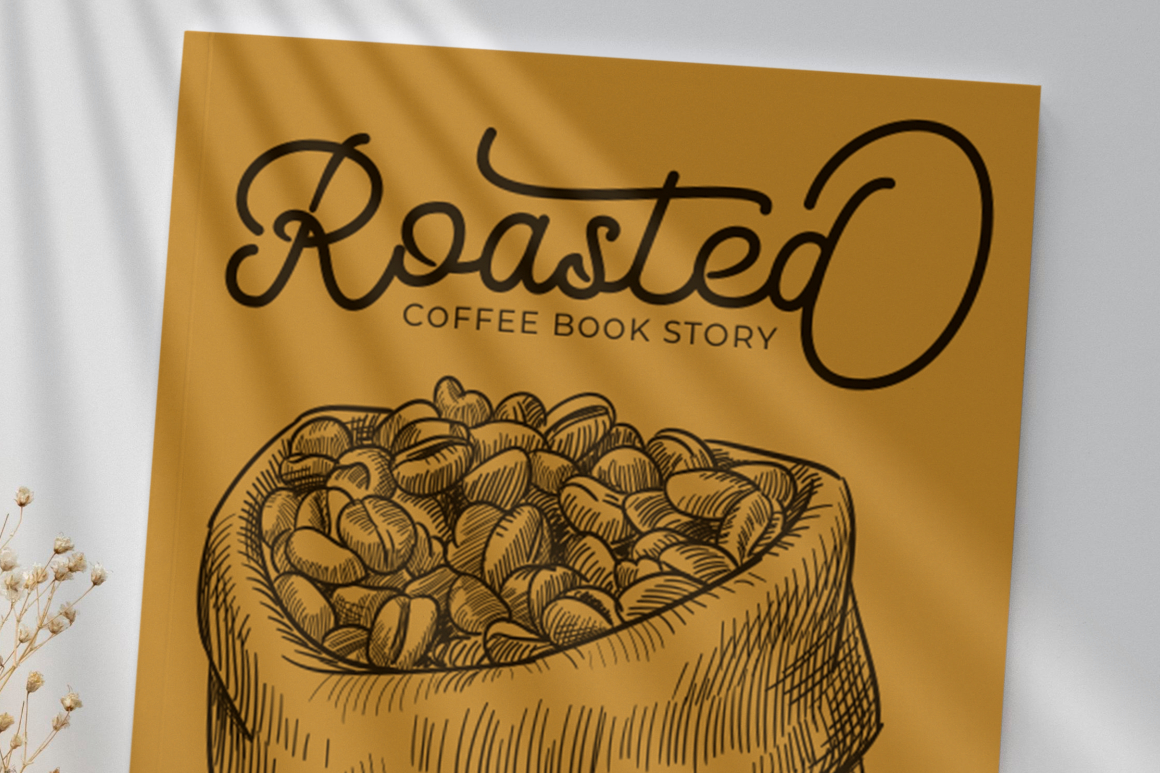
Script fonts like Marie Clarie add an artistic and human touch to poster design. They work well when creativity and emotion are central.
Best Use Cases
- Art exhibitions
- Fashion events
- Creative workshops
Why It Works
- Expressive and fluid
- Adds elegance and personality
- Creates emotional appeal
Script fonts should be used for short phrases or titles, not long text blocks.
4. Luxerna – Elegant Serif Authority
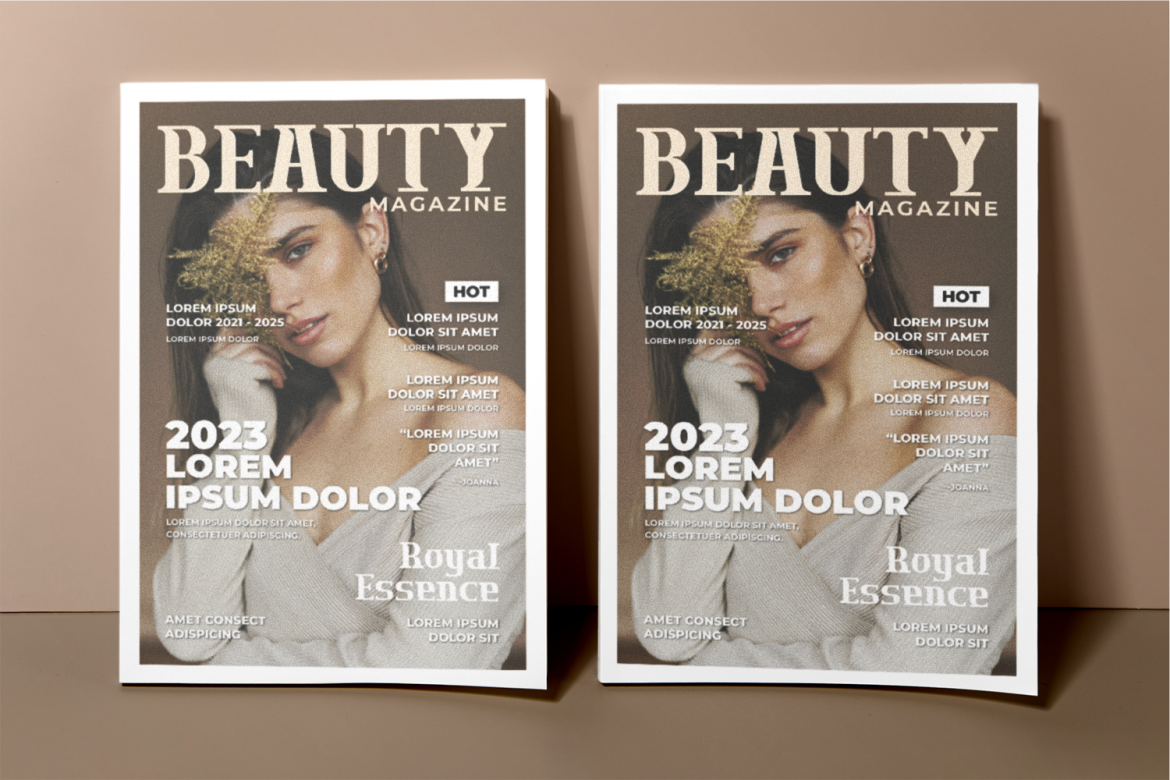
Luxerna is an elegant serif font that brings professionalism and refinement. Serif fonts are well-suited for formal posters.
Best Use Cases
- Conferences
- Cultural events
- Institutional posters
Why It Works
- Classic and trustworthy feel
- Strong typographic structure
- Professional appearance
Luxerna communicates credibility and sophistication.
5. Boldra – Energetic Sans Serif for Music Posters
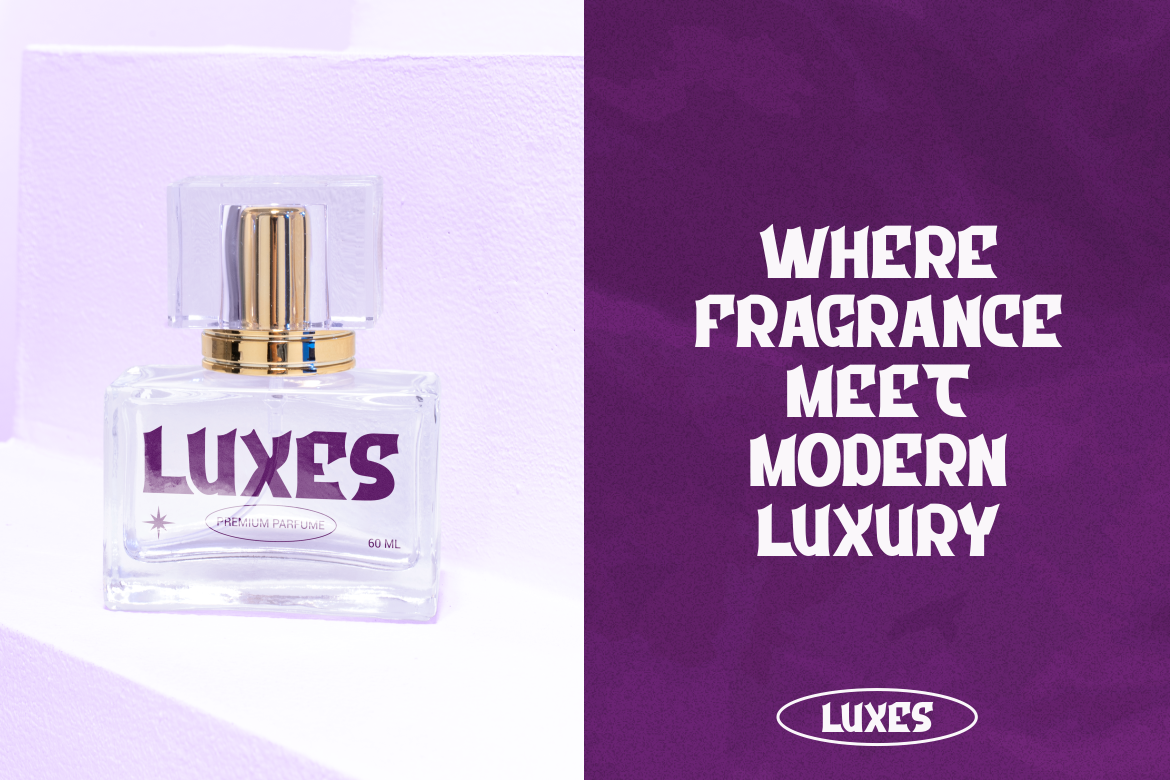
Boldra is a high-energy font that works well for entertainment-focused posters. It combines boldness with playful rhythm.
Best Use Cases
- Music festivals
- Club events
- Youth-oriented promotions
Why It Works
- Dynamic letterforms
- High visual impact
- Youthful energy
Boldra helps convey excitement and movement.
6. Flourique – Artistic Script for Creative Posters
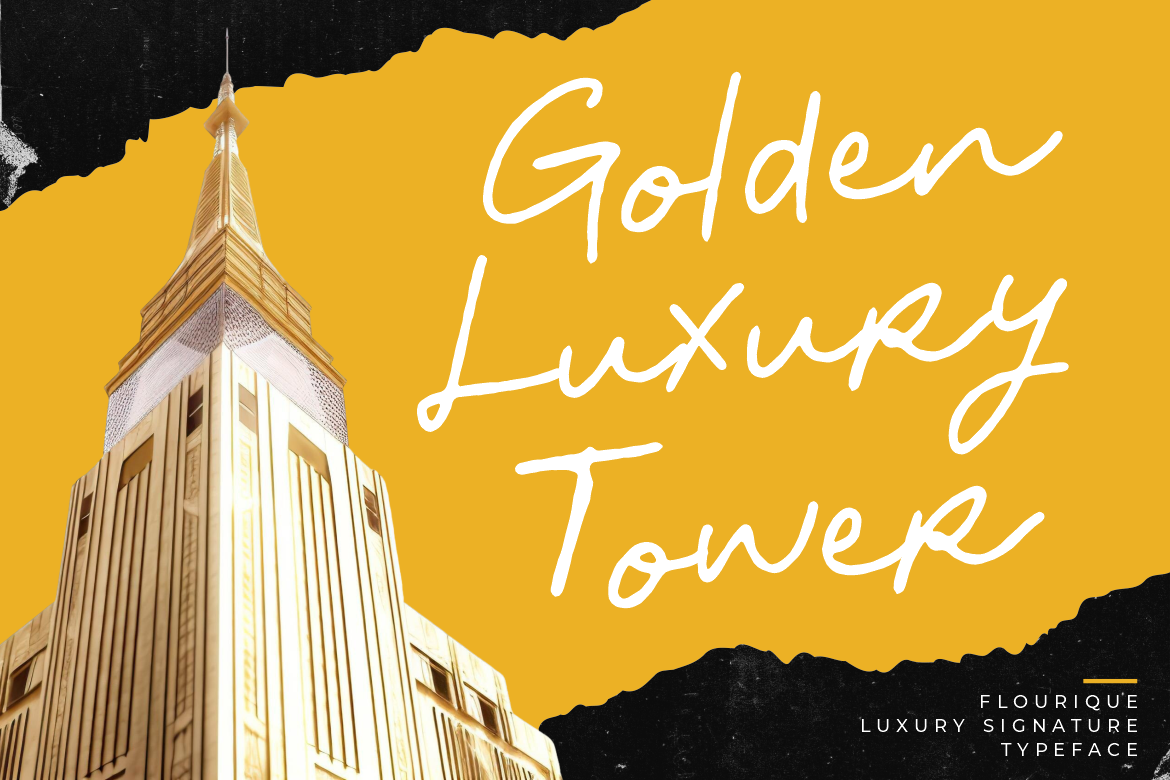
Flourique is a decorative script font that works well for artistic and cultural posters.
Best Use Cases
- Art exhibitions
- Theater performances
- Creative showcases
Why It Works
- Decorative elegance
- Artistic personality
- Strong emotional tone
Flourique should be paired with simpler fonts for balance.
7. Crevia – Professional Serif for Formal Events
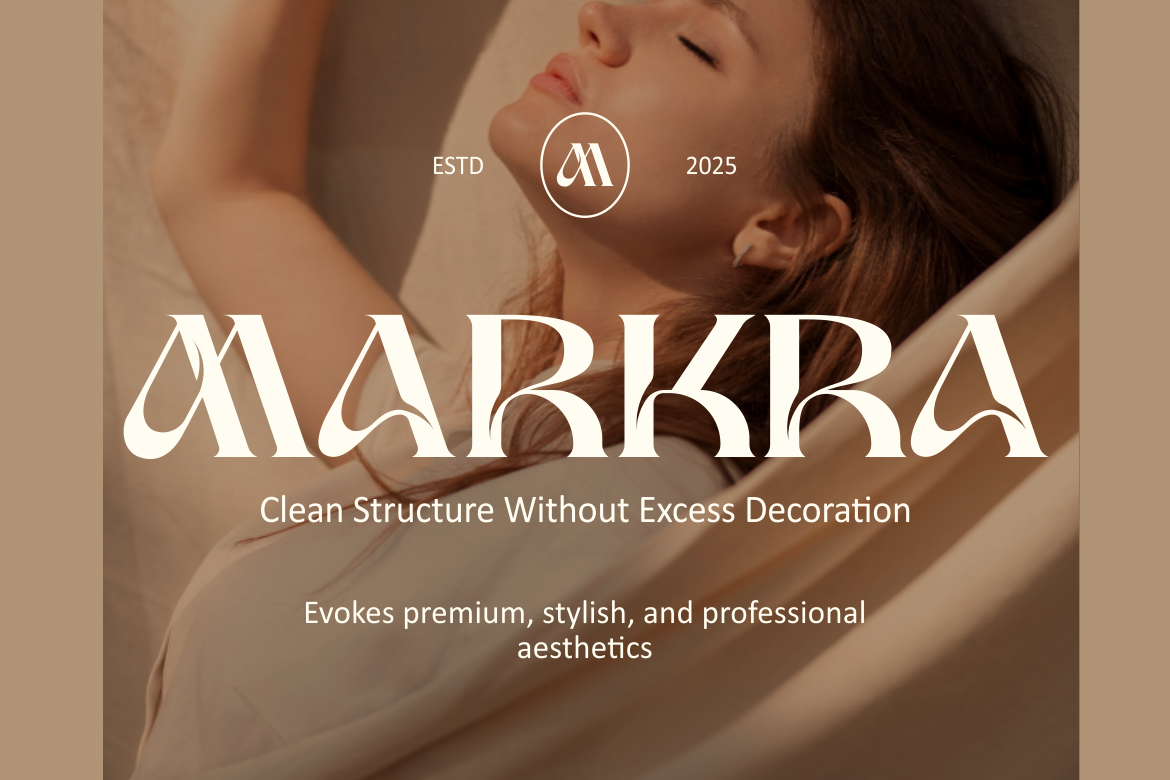
Crevia is a serif font designed with structure and clarity. It works well for formal posters that require authority.
Best Use Cases
- Corporate events
- Educational seminars
- Government or institutional posters
Why It Works
- Clear and refined
- Serious tone
- Excellent readability
Crevia supports formal communication without feeling outdated.
8. Modish Frame – Modern Display for Branding
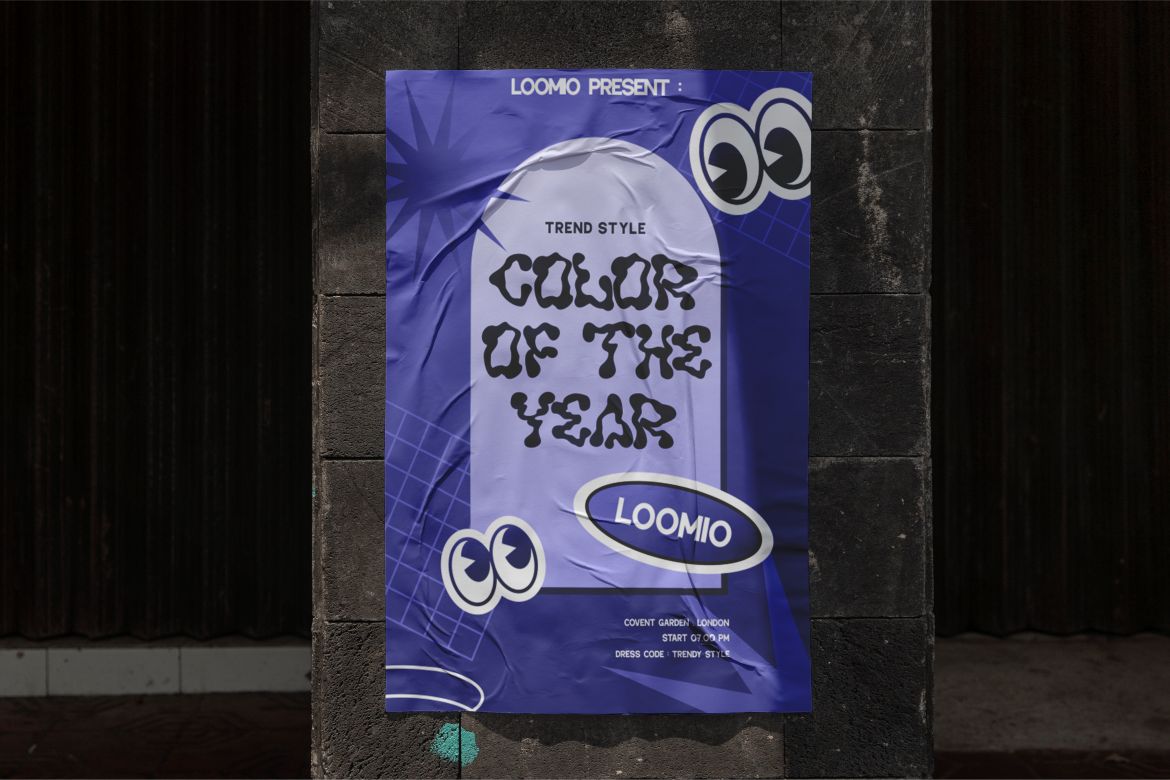
Modish Frame is a modern display font designed to support branding and product promotion.
Best Use Cases
- Product launches
- Brand posters
- Marketing campaigns
Why It Works
- Strong branding presence
- Stylish and modern
- Eye-catching headlines
Modish Frame works best when paired with neutral supporting fonts.
Matching Poster Fonts to Event Types
Choosing fonts for poster design becomes easier when aligned with event goals.
- Music concerts: Votrag, Boldra
- Art exhibitions: Marie Clarie, Flourique
- Formal events: Luxerna, Crevia
- Product promotions: Black Crest, Modish Frame
This alignment improves communication and audience response.
Combining Fonts Effectively in Posters
Most posters use more than one font. A strong combination strategy includes:
- One bold headline font
- One simple supporting font
Avoid using too many fonts, as this reduces clarity and impact.
Common Mistakes in Poster Typography
Designers should avoid:
- Using thin fonts for headlines
- Overloading posters with text
- Choosing decorative fonts for body text
Poster typography should always prioritize speed of communication.
Why Putracetol.com Is a Reliable Source for Poster Fonts
Putracetol.com offers curated font collections designed for real-world design needs. Many fonts are created with headline usage, branding, and visual impact in mind.
Designers benefit from:
- Bold display fonts
- Professional serif and sans-serif options
- Fonts optimized for visual communication
This makes it easier to design posters that are clear, engaging, and memorable.
Conclusion
Choosing the right fonts for poster design is a critical step in creating effective visual communication. Poster fonts must balance readability, contrast, aesthetics, and thematic relevance.
According to Putracetol.com, successful poster typography often relies on bold sans-serif fonts, expressive display fonts, artistic scripts, or elegant serif styles. Whether designing for music events, art exhibitions, formal occasions, or product promotions, the right font choice ensures the message is seen, understood, and remembered.
By selecting fonts thoughtfully and strategically, designers can create posters that not only attract attention but also communicate with clarity and confidence.
Thank you for taking the time to read this article. If you are looking for more great articles, feel free to visit Putracetol Blog
Additionally, if you want to explore some free typography options, you can check out Putracetol Studio on Dafont. Happy reading and designing!