
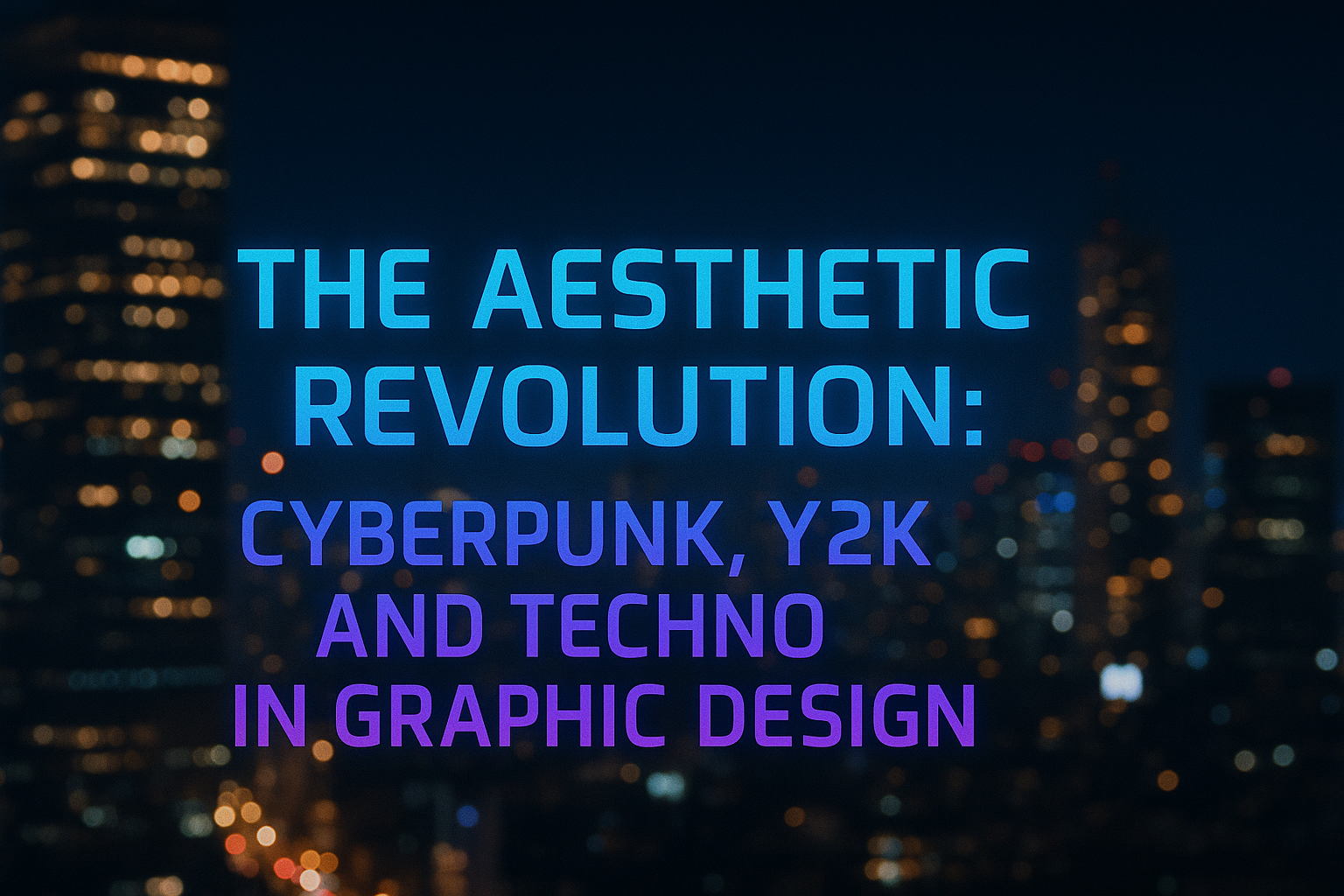
🧬 Exploring Cyberpunk, Y2K, and Techno Aesthetics in Modern Design
The landscape of visual design is undergoing a powerful transformation—one fueled by a fascination with futurism, nostalgia, and digital rebellion. At the heart of this evolution are three aesthetics that continue to dominate the design world: Cyberpunk, Y2K, and Techno.
Once born from subcultures, science fiction, and underground music, these styles have now crossed over into mainstream branding, web design, motion graphics, fashion, and UI/UX. From neon-drenched cityscapes to chrome gradients and glitch overlays, these aesthetics represent both a love for digital possibility and a critique of high-tech society.
In this article, we explore the core of Cyberpunk, Y2K, and Techno aesthetics—their origins, influences, visual characteristics, and how designers can use them to create striking, contemporary, and trend-forward work.
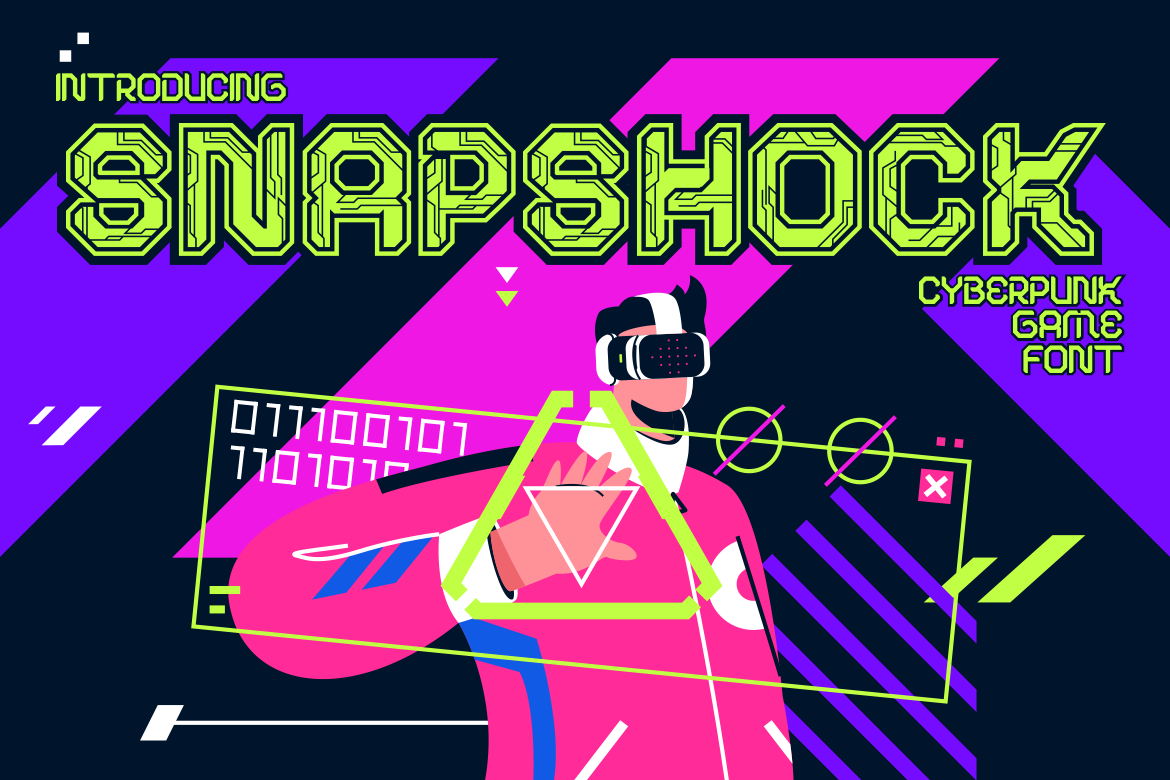
💀 Cyberpunk Aesthetics: Dystopian Beauty and High-Tech Realism
Emerging in the 1980s from science fiction literature—most notably William Gibson’s Neuromancer—Cyberpunk envisions a technologically advanced but socially broken future. Films like Blade Runner and Ghost in the Shell helped define the genre’s aesthetic on screen.
🎨 Visual Traits
Cyberpunk design is rich with:
- Neon colors (pink, cyan, purple)
- High contrast lighting
- Urban decay and digital grit
- Glitch effects and scan lines
- Asian cyber-metropolis visuals
- Holograms and chrome textures
It often pairs sci-fi elements like cybernetic enhancements or AI systems with a sense of societal breakdown—making it ideal for storytelling, game UI, and album art.
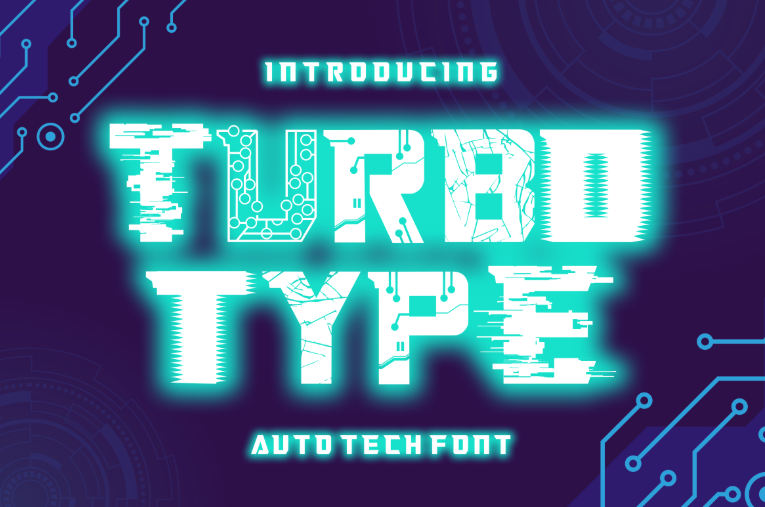
🖋️ Suggested Fonts from PutraCetol:


🌀 Y2K Aesthetics: Retro-Future Nostalgia and Digital Optimism
🔍 Origins
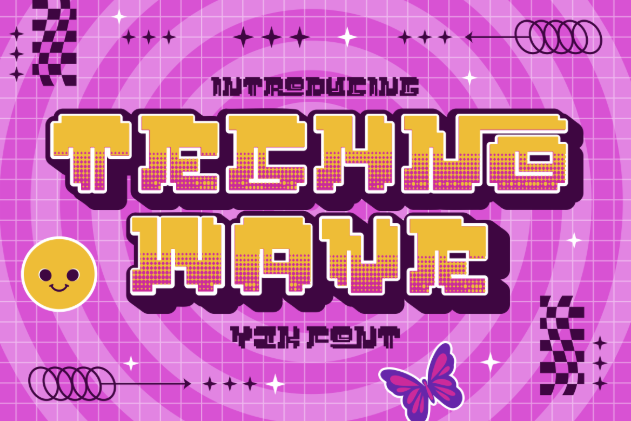
Y2K design (1997–2004) grew from early internet culture, gaming interfaces, and media obsession with the new millennium. It reflects pre-2000s digital enthusiasm, often combining shiny, surreal visuals with pop-tech vibes.
🎨 Visual Traits
- Liquid metallics, chrome, and plastic textures
- Bubble typefaces and rounded UI elements
- Gradient overload: pinks, silvers, blues
- Skeuomorphic UI buttons and techno-futurism
- Low-poly 3D objects, CD textures, and pixel glitches
This aesthetic is playful, glossy, and unashamedly digital, often appearing in music visuals, website layouts, TikTok edits, and nostalgia-driven branding.
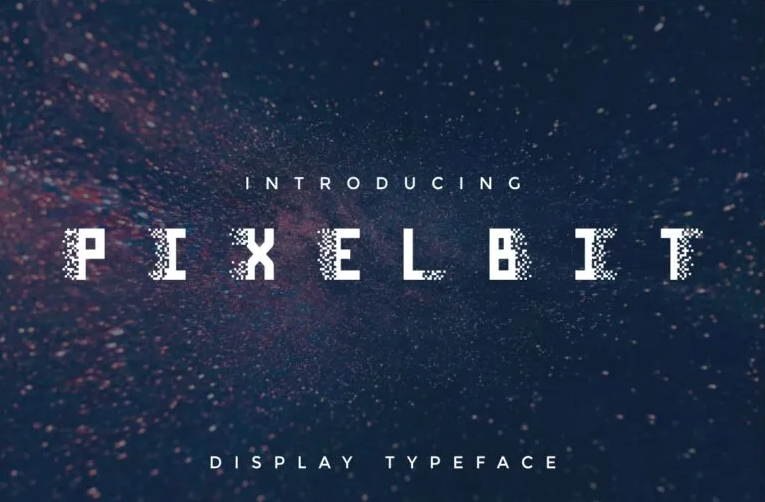
🖋️ Suggested Fonts from PutraCetol:

🎛️ Techno Aesthetics: Minimal Motion and Audio Visual Energy
🔍 Origins
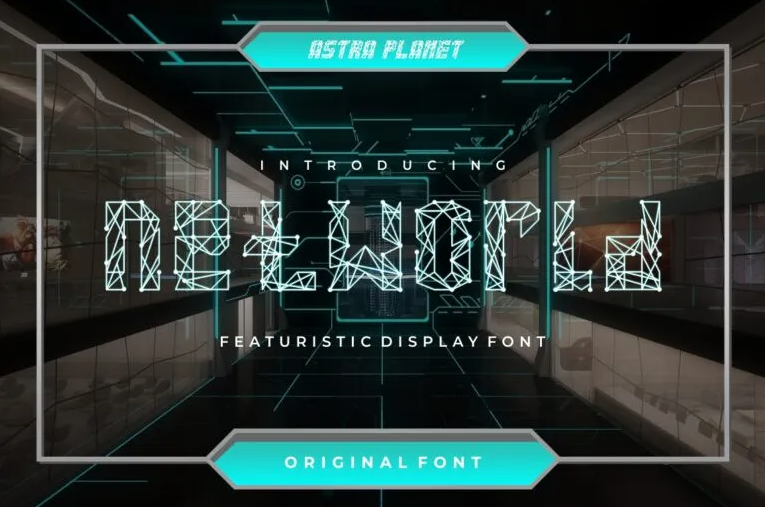
Rooted in the electronic music scene of the 90s and early 2000s, techno design is characterized by precision, rhythm, and abstraction. It reflects the pulse of digital systems and electronic soundscapes.
🎨 Visual Traits
- Grid systems and geometric lines
- Minimalistic monochrome
- Typography-driven layouts
- Motion graphics and audio-reactive visuals
- Static overlays and waveform patterns
Techno design often bridges the line between functional UI and aesthetic abstraction, commonly used in digital installations, visualizers, festival branding, and audio-reactive websites.
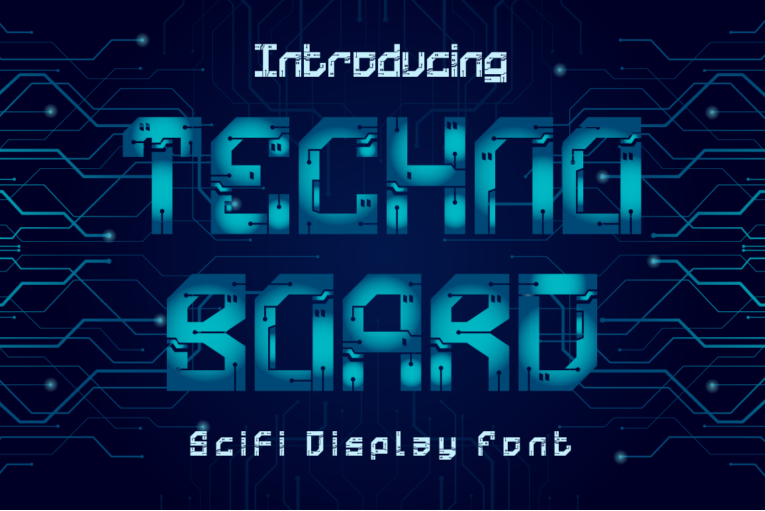
🖋️ Suggested Fonts from PutraCetol:
🧠 How to Use These Aesthetics in Modern Design
1. Brand Identity
Cyberpunk = edgy and rebellious
Y2K = playful and nostalgic
Techno = sleek and high-performance
Use them to craft visual identities that resonate with specific communities (gamers, ravers, futurists, etc.).
2. Web Design and UI/UX
Incorporate:
- Neon-glow buttons
- Audio-reactive backgrounds
- Glitch scroll animations
- Bold typographic statements
Make sure to balance aesthetics with usability.
3. Social Media and Motion Graphics
These styles thrive in digital motion:
- Cyberpunk reels
- Y2K carousel designs
- Techno-inspired teaser clips
Perfect for fashion brands, indie musicians, and tech startups.
4. Event and Poster Design
Poster aesthetics have embraced these styles with:
- Centered type layouts
- 3D gradients
- Grain textures and digital brush strokes
⚠️ Tips for Designers: Avoid Overkill
While visually powerful, these styles can easily become overwhelming. Here’s how to keep them effective:
- Use 1–2 dominant visual traits
- Prioritize readability (especially in cyberpunk/glitch fonts)
- Pair experimental type with neutral backgrounds
- Maintain clear UI hierarchy in web projects
- Don’t sacrifice performance for aesthetics (especially in web or mobile)
🔮 The Future of Futuristic Aesthetics
Cyberpunk, Y2K, and techno aren’t going away. As digital environments become more immersive (think metaverse, AR, Web3), these aesthetics will evolve to reflect:
- New media surfaces (wearables, mixed reality)
- Interactive fonts and type animation
- Real-time rendering in CSS and 3D libraries
- AI-generated visuals with glitch and neon vibes
Designers who master these styles now will be well-positioned to lead the visual frontier of digital culture.
✅ Conclusion: Design the Future, One Pixel at a Time
In an age where aesthetics are more than decoration—where they define brand identity, cultural tone, and user experience—cyberpunk, Y2K, and techno offer designers a visual playground to break norms and explore bold narratives.
Whether you’re crafting a product launch, building a brand for a startup, or just experimenting with visuals, these futuristic design styles will help you stand out in a sea of sameness.
So grab your glitch textures, your neon gradients, your pixel-type overlays—and design the world of tomorrow today.