
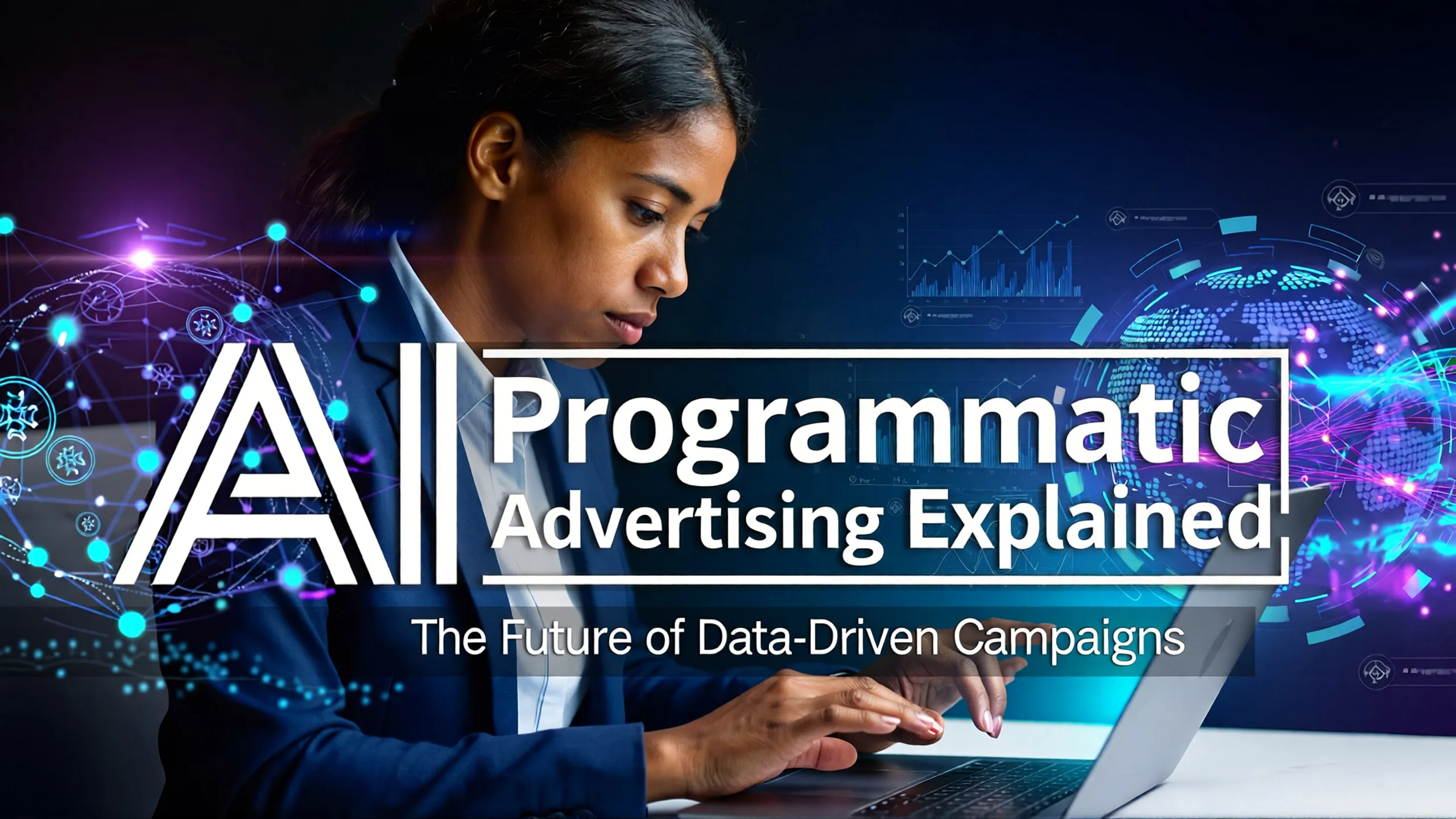
The New Wave of AI-Driven Programmatic Advertising
Introduction: A Turning Point in Digital Advertising
Digital advertising has entered a transformative phase. For years, marketers relied on traditional targeting methods, static audience segments, and manual campaign optimization. While these strategies provided measurable results, they lacked the speed and intelligence required in an increasingly complex media environment.
Today, artificial intelligence (AI) is redefining how advertising works. Programmatic advertising, which automates the buying and placement of ads through real-time bidding systems, is evolving into an intelligent ecosystem powered by machine learning and advanced data analysis.
At the center of this transformation is Connected TV (CTV), one of the fastest-growing channels in digital media. As streaming platforms replace traditional television consumption, advertisers are discovering new opportunities to deliver personalized, highly relevant experiences.
This article explores how AI-driven programmatic advertising is reshaping the advertising landscape, why CTV is becoming a dominant platform, and how brands can adapt to this new era.
Understanding Programmatic Advertising in the AI Era
Programmatic advertising refers to the automated buying and selling of digital ad space using software platforms. Instead of negotiating placements manually, advertisers use algorithms to determine which ads appear to which audiences in real time.
AI takes this process further by introducing:
- predictive analytics
- behavioral targeting
- continuous performance learning
Machine learning models analyze massive datasets, including viewing behavior, device usage, engagement patterns, and contextual signals. These insights allow advertisers to target audiences more precisely than ever before.
The Rise of Connected TV (CTV)
Connected TV refers to televisions connected to the internet through smart TVs, streaming devices, or gaming consoles. Platforms like Netflix, YouTube, and other streaming services have changed how audiences consume video content.
Key reasons CTV is growing rapidly:
- decline of traditional cable television
- increased streaming consumption
- demand for on-demand viewing experiences
CTV offers advertisers the reach of traditional television combined with the targeting precision of digital advertising.
Unlike traditional TV ads, AI-powered programmatic CTV campaigns allow brands to tailor messaging based on audience behavior and demographics.
Advantages of AI in Programmatic Advertising
Precise Targeting
AI enables highly accurate audience targeting by analyzing behavioral data in real time.
Instead of broad demographics, AI identifies patterns such as:
- viewing habits
- purchase behavior
- content preferences
This allows brands to deliver ads that feel more relevant and personalized.
For example, two viewers watching the same streaming program may see entirely different ads based on their interests and history.
Real-Time Optimization
One of AI’s most powerful capabilities is continuous optimization.
Traditional campaigns often required manual adjustments after performance reviews. AI-driven systems analyze campaign data continuously and adjust parameters automatically.
This includes:
- modifying bids
- changing audience segments
- optimizing creative placement
As a result, campaigns become adaptive rather than static.
Cost Efficiency
Advertising budgets are often wasted due to inefficient targeting or poor placement decisions.
AI reduces wasted spend by identifying high-performing segments and prioritizing them.
Benefits include:
- improved ROI
- reduced irrelevant impressions
- smarter allocation of ad budgets
How AI Is Transforming the Advertising Ecosystem
The integration of AI is shifting advertising from interruption-based messaging toward relevance-driven experiences.
Data-Driven Campaigns Replace Traditional Guesswork
Brands no longer rely solely on assumptions about audience behavior. AI provides measurable insights that guide decision-making.
This transformation allows marketers to understand:
- engagement patterns
- conversion signals
- viewer preferences
Ads Become More Natural and Less Disruptive
When targeting becomes more precise, ads feel less intrusive because they align with user interests.
AI also supports dynamic creative optimization, enabling multiple versions of an ad to adapt automatically based on context.
Visual design plays an important role here. Clear typography and strong branding help maintain consistency across dynamically generated ads. Designers may use expressive fonts like Antiquera or bold display styles such as Mogzilla Bold to maintain recognizable visual identity across different formats.
Implementation Challenges
Despite its advantages, AI-driven programmatic advertising introduces several challenges.
Data Privacy and Regulation
As AI relies heavily on data analysis, protecting user privacy becomes critical.
Brands must comply with global regulations such as GDPR and ensure transparent data usage practices.
Ethical Advertising Concerns
Algorithmic decision-making raises questions about bias, transparency, and fairness.
Clear guidelines and responsible data governance are necessary to maintain trust.
Investment and Technical Complexity
Adopting AI programmatic systems requires investment in technology infrastructure and skilled teams.
Organizations must balance innovation with realistic implementation strategies.
The Future of Programmatic AI Advertising
The next phase of AI programmatic advertising will expand across multiple channels and devices.
Multi-Device Ecosystems
Campaigns will seamlessly operate across:
- mobile devices
- web platforms
- smart TVs
- IoT-enabled screens
AI will unify audience data across these environments, providing consistent messaging experiences.
Creative Automation
AI tools will increasingly generate dynamic ad content automatically, adjusting visuals and messaging based on performance data.
Typography and design systems will become essential components of scalable creative frameworks. Fonts like Gilded Winter Serif Display or Retro Cloud may support distinct brand aesthetics while enabling adaptive creative variations.
CTV as the Centerpiece
Connected TV is expected to become the core of digital advertising strategies due to its combination of high engagement and precise targeting.
Brands that invest early in CTV programmatic strategies may gain significant competitive advantages.
Quick Summary Table
| Aspect | Impact |
|---|---|
| Precise Targeting | More relevant ads |
| Real-Time Optimization | Adaptive campaigns |
| Cost Efficiency | Reduced budget waste |
| Data Privacy | Major implementation challenge |
| Future Outlook | CTV-focused multi-device strategies |
Why Brands Must Adapt Now
The shift toward AI-driven programmatic advertising represents more than a technological upgrade. It marks a strategic change in how brands connect with audiences.
Success in this new landscape requires:
- embracing data-driven decision-making
- investing in creative adaptability
- maintaining ethical and transparent practices
Companies that delay adoption risk falling behind competitors who leverage AI to deliver more personalized experiences.
Conclusion
AI-powered programmatic advertising is redefining the future of digital marketing, particularly through the rapid growth of Connected TV.
By combining precise targeting, real-time optimization, and cost-efficient automation, AI enables brands to deliver more relevant and engaging advertising experiences.
While challenges related to privacy and technology adoption remain, the long-term advantages make AI programmatic advertising a cornerstone of modern marketing strategy.
Brands that embrace this new wave will gain stronger audience insights, improved campaign performance, and a competitive edge in an increasingly data-driven world.
For more insights into branding, typography, and creative digital strategy, visit Putracetol.com and explore resources that support modern visual storytelling.
Thank you for taking the time to read this article. If you are looking for more great articles, feel free to visit Putracetol Blog
Additionally, if you want to explore some free typography options, you can check out Putracetol Studio on Dafont. Happy reading and designing!