
Today’s audiences are more selective than ever. They expect content that speaks directly to their interests, solves their problems, and feels tailored to their personal journey. Businesses can no longer rely on generic messages or one-size-fits-all strategies. Instead, they need to invest in optimizing content to match audience needs, ensuring every piece of communication is relevant, engaging, and aligned with user expectations.
As competition grows across social media, websites, email marketing, and digital advertising, the brands that succeed are the ones that understand their audience deeply. This article explores why content optimization matters, key strategies that make it effective, and how brands can build long-term loyalty by consistently delivering meaningful experiences.
Content optimization is more than refreshing headlines or adding keywords. It’s about shaping the entire message to match the mindset, behavior, and expectations of your audience.
When you understand who you’re speaking to, your content becomes more precise. Relevant content ensures your audience receives messages that connect with their goals, challenges, and motivations. This increases the impact of every campaign you create.
People engage most with content that feels personal. Today’s users scroll past anything that feels generic or repetitive. They want content that acknowledges their preferences, browsing history, location, or past purchases. Personalization is no longer optional it’s the standard.
In crowded markets, the brands that understand their audience the best rise above the noise. Well-optimized content helps businesses stay competitive by offering clarity, value, and differentiation.

To maintain visual consistency across all optimized content, many brands also choose modern and readable typefaces. Fonts like Skateride, Faded Glory, and Chunk Party from Putracetol.com can help maintain a clear visual identity across social posts, newsletters, and website layouts.


Optimizing content requires a structured approach. These core strategies help ensure your content remains aligned with audience needs while delivering measurable results.
Understanding your audience is the foundation of optimization. Use demographic data, behavior insights, search intent, and content performance to learn what your audience values.
Key questions to consider:
Audience research helps you shape messages that feel intentional rather than random.
Your audience isn’t a single group. Segmentation allows you to tailor content to smaller, more specific categories. Examples include:
Segmentation improves relevance and boosts engagement because each group receives a message designed specifically for them.
Data reveals what works. By monitoring performance metrics like click-through rates, engagement time, bounce rates, and conversions, you can identify which content styles deliver the best results.
Analytics can also guide strategic decisions, such as:
Personalized content makes audiences feel understood. This can include:
Even simple changes, such as addressing the reader by name or showing products related to their interests, can dramatically improve engagement.
Your brand voice should remain unified across all platforms. Whether the tone is friendly, professional, or bold, consistency strengthens brand recognition.

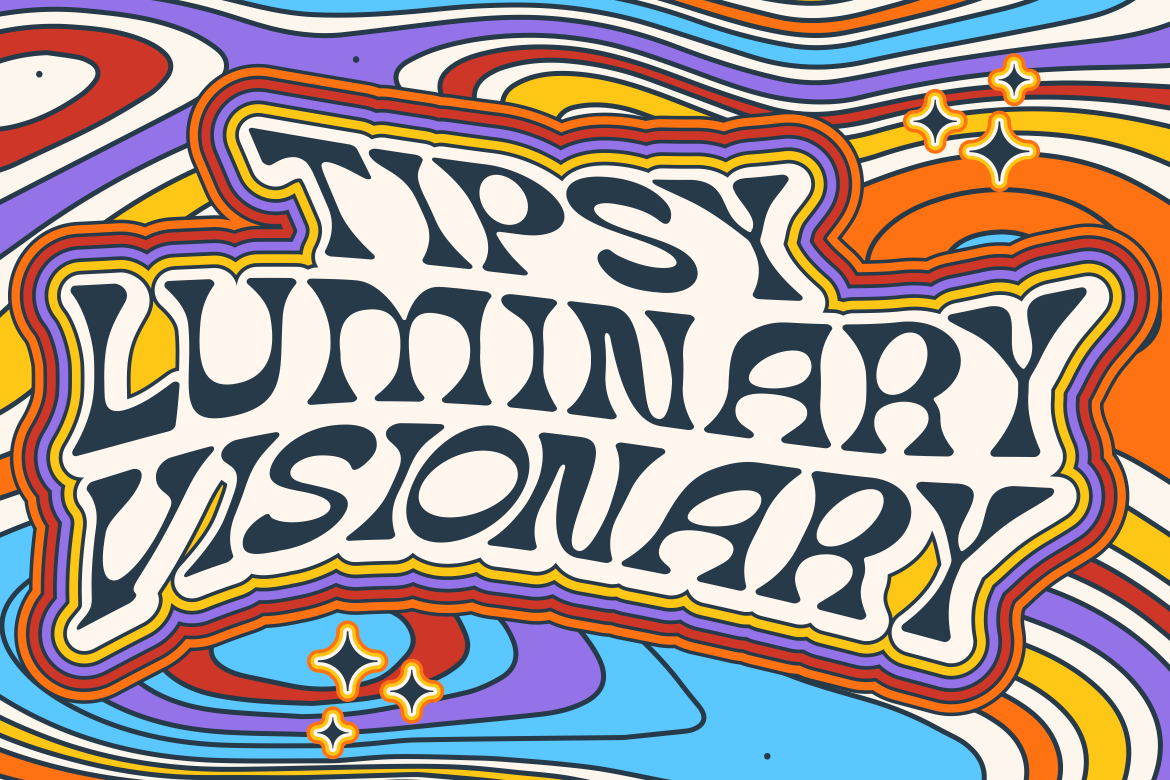
Many brands reinforce consistency with a shared visual identity, including typography. Using the same fonts such as Chunk Party, Bloxine, or Mind Meld across all design assets helps create a cohesive experience that supports your content voice.
Your audience interacts with brands in multiple places. By distributing content across various channels, you increase visibility and reach.
Common channels include:
The goal is to maintain a consistent message while adapting the format to suit each platform.
Optimizing content with audience needs in mind creates measurable benefits that improve long-term brand growth.
When audiences feel that the content resonates with them, they interact more. This can lead to:
Engagement grows naturally when content feels relevant and valuable.
Personalized content builds emotional connections. When people feel understood, they return more often and trust the brand more deeply. This leads to long-term loyalty and repeat business.
Targeted messaging improves conversion rates because it speaks directly to the user’s needs. Whether it’s a product purchase, email signup, or booking request, optimized content guides users smoothly toward action.
In industries where many brands publish similar content, optimization becomes a key differentiator. Brands that understand their audience gain a strong advantage in visibility and relevance.
To make optimization more practical, here are a few examples of how businesses can apply these strategies:
Content optimization is essential for building meaningful relationships with audiences. By understanding their needs and preferences, brands can create content that resonates, builds trust, and delivers measurable impact.
With the right strategies audience research, segmentation, analytics, personalization, consistent branding, and multichannel distribution businesses can stay relevant in a competitive digital world.
For more inspiration and professional content optimization services, visit Putracetol.com.
Thank you for taking the time to read this article. If you are looking for more great articles, feel free to visit Putracetol Blog. Additionally, if you want to explore some free typography options, you can check out Putracetol Studio on Dafont. Happy reading and designing!

