
Museums are more than places where objects are displayed. They are spaces of storytelling, education, and cultural preservation. Every visual element inside a museum, from exhibition panels to wayfinding signage, plays a role in shaping how visitors experience and understand the content. Among these elements, typography is one of the most influential.
Choosing the right fonts for museum design is not just a matter of aesthetics. Typography affects readability, atmosphere, emotional tone, and even how credible and authoritative an exhibition feels. Well-chosen fonts help guide visitors smoothly through galleries, provide clarity for informational text, and reinforce the museum’s identity.
This article explores recommended fonts for museum design, focusing on how typography can balance historical character, artistic expression, and modern usability. Drawing inspiration from curated font selections at Putracetol.com, we will look at font styles that work particularly well in exhibition spaces and explain why they are effective.
Museums serve a wide and diverse audience. Visitors vary in age, background, and familiarity with the subject matter. Typography must therefore support clarity and accessibility while also respecting the cultural and historical context of the exhibition.
Strong museum typography helps to:
Typography becomes a silent guide, helping visitors navigate information without distraction.
Typography influences how visitors move through a museum and how long they engage with displays.
In exhibition design, typography is used for:
Each of these applications requires fonts that are not only visually appropriate but also highly legible and consistent.
Before exploring specific font recommendations, it is important to understand the principles that guide typographic decisions in museum environments.
Museum text is often read from different distances. Visitors may read wall titles from several meters away and object descriptions from close range.
Fonts should:
This ensures information remains accessible without straining the eyes.
Many museums deal with historical artifacts and cultural heritage. Typography should complement, not overshadow, the subject matter.
Fonts that reference historical styles can:
However, they must still feel balanced and readable in modern contexts.
Museums often consist of multiple galleries and exhibition themes. Typography should unify these spaces through consistent font usage and hierarchy.
Consistency:
A clear typographic system is essential for large exhibition spaces.
Putracetol.com offers a variety of fonts that suit museum environments. The following recommendations balance classic aesthetics, modern clarity, and artistic expression.

Stencil fonts are inspired by industrial markings and street art. In museum design, they are often used selectively for emphasis.
Stencil fonts:
They are particularly effective in:
Used sparingly, stencil typography adds character without overwhelming the exhibition.
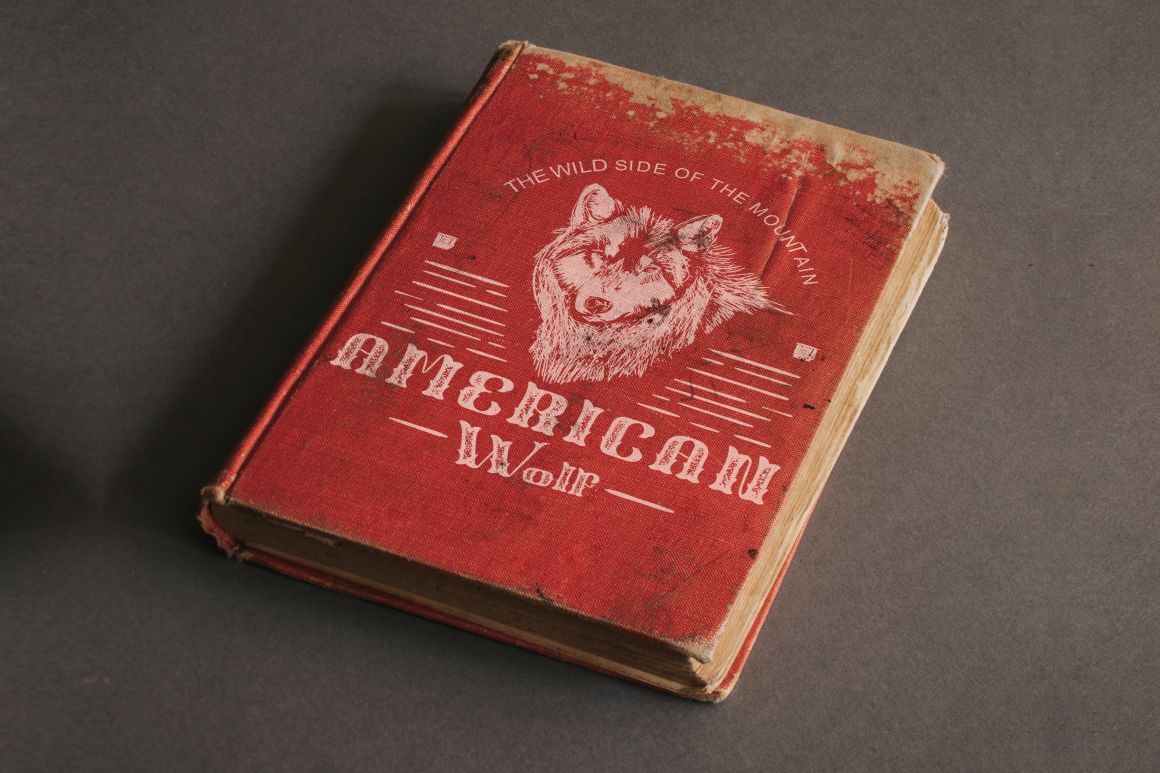
Slab serif fonts have thick, block-like serifs and were widely used in the 19th century. They are known for their strong presence and high legibility.
Slab serif fonts:
They are ideal for:
Their visual weight helps anchor text in large spaces.
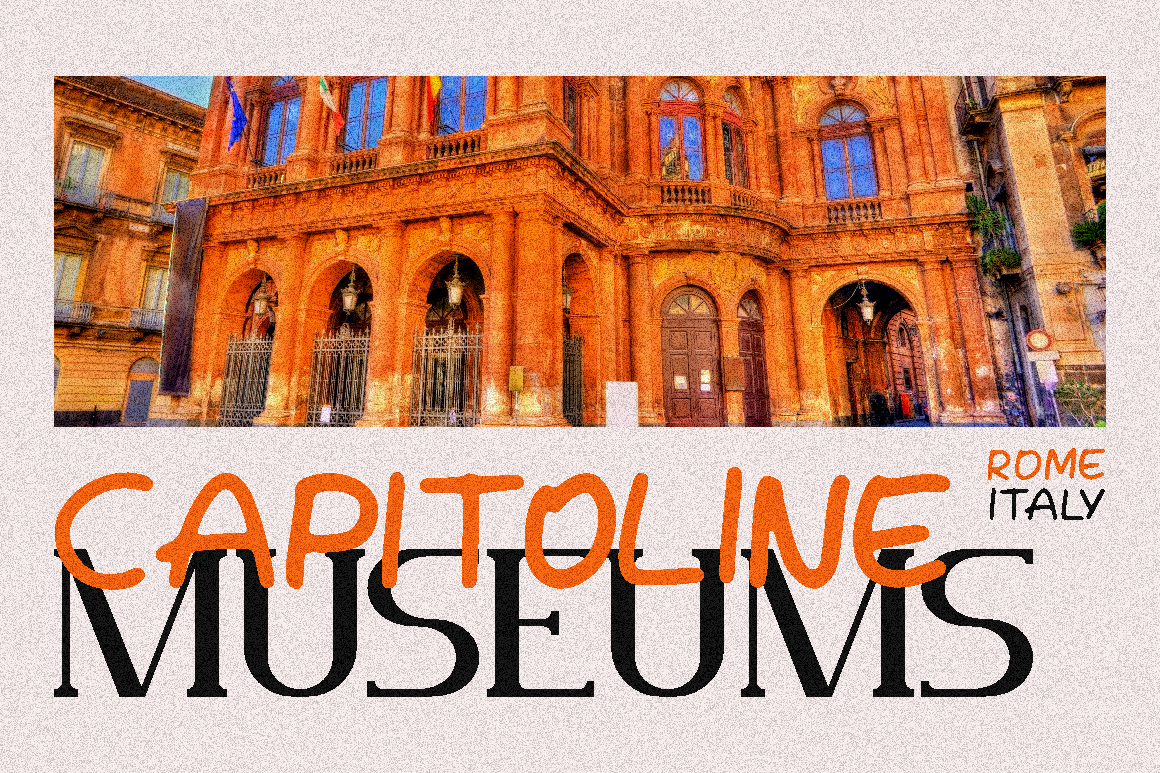
Virtus Verona is a classic font inspired by 18th-century typography. It reflects elegance, tradition, and refinement.
Virtus Verona:
It is particularly suitable for:
This font reinforces credibility and cultural depth.

Votrag is a modern sans serif font inspired by contemporary museum design approaches, including institutions like design museums.
Votrag:
It is well suited for:
Votrag ensures clarity without appearing sterile or generic.
Museum typography often benefits from combining different font styles to create hierarchy and contrast.
A common approach is:
This combination allows museums to respect tradition while remaining accessible and engaging.
Museums are storytellers. Typography supports narrative flow by guiding visitors through information in a structured and intuitive way.
Good typographic storytelling:
Fonts should support the narrative, not distract from it.
Clear navigation is essential in museum environments. Typography must be legible, consistent, and intuitive.
Effective wayfinding fonts:
Sans serif fonts like Votrag perform well in these contexts.
Museums serve diverse audiences, including children, elderly visitors, and people with visual impairments. Typography should be inclusive.
Accessibility considerations include:
Accessible typography ensures that information is available to everyone.
Modern museums increasingly use digital screens and interactive displays. Typography must adapt to these formats.
Fonts used on screens should:
Modern sans serif fonts are often the best choice for digital exhibits.
Typography also plays a major role in a museum’s brand identity beyond exhibition spaces.
Consistent font usage across:
Helps build a recognizable and trusted institutional image.
Putracetol.com curates fonts that are not only visually appealing but also practical for professional environments like museums. The fonts are designed with balance, readability, and character in mind.
Designers benefit from:
This makes it easier to create cohesive and meaningful museum typography systems.
To avoid undermining the visitor experience, designers should be careful of common mistakes such as:
Awareness of these issues helps maintain clarity and professionalism.
Choosing the right museum design fonts is essential for creating exhibition spaces that are engaging, readable, and culturally appropriate. Typography shapes how visitors perceive information, navigate spaces, and connect emotionally with content.
The font recommendations from Putracetol.com, including Stencil, Slab Serif, Virtus Verona, and Votrag, offer a balanced mix of classic heritage, artistic expression, and modern clarity. Together, these fonts allow designers to craft museum identities that feel authentic, elegant, and accessible.
When typography is chosen thoughtfully, it becomes an invisible guide that enhances learning, storytelling, and overall visitor experience. In museum design, good typography is not decoration. It is a fundamental part of communication.
Thank you for taking the time to read this article. If you are looking for more great articles, feel free to visit Putracetol Blog
Additionally, if you want to explore some free typography options, you can check out Putracetol Studio on Dafont. Happy reading and designing!

