
💡 How Low-Code and No-Code Are Changing the Future of App Development
In an age where digital transformation is no longer optional, the low-code/no-code movement is dramatically reshaping how we build websites, applications, and digital solutions. By simplifying the development process, these tools make it possible for non-developers and business professionals to bring their ideas to life—without writing complex code.
But what exactly are low-code and no-code platforms? How are they different? And what makes them such game changers in today’s fast-paced digital world?
Let’s dive into the tools, trends, and future of low-code and no-code development—and why it’s more relevant now than ever.
🧠 What Are Low-Code and No-Code Platforms?
🛠️ Low-Code Platforms
Low-code platforms provide a visual development environment where users can build applications with minimal hand-coding. While some technical knowledge may be needed, most of the work is done via drag-and-drop interfaces, reusable components, and pre-built templates.
Best for:
🧩 No-Code Platforms
No-code platforms are even simpler—designed for non-technical users. They eliminate coding entirely and rely on pre-built modules, logic flows, and design templates.
Best for:
📜 A Brief History: From RAD to Today
The origins of no-code/low-code trace back to the Rapid Application Development (RAD) approach of the 1980s. RAD emphasized faster prototyping and iterative design—paving the way for tools that would simplify and accelerate the development process.
Over the years, this evolved into today’s cloud-based platforms like:
🌍 Why Low-Code/No-Code Is Thriving Now
Several trends have pushed low-code and no-code development into the mainstream:
1. Digital Urgency
Post-pandemic, companies need to launch digital products faster than ever before. These platforms allow businesses to respond quickly and affordably.
2. Developer Shortage
Global demand for software developers is higher than the supply. No-code empowers teams without relying heavily on IT departments.
3. Empowered Creators
Now, marketers, designers, and entrepreneurs can prototype ideas without a technical co-founder—bridging the gap between vision and execution.
🧩 Key Differences Between Low-Code and No-Code
| Feature | Low-Code | No-Code |
| Target Users | Semi-technical or developers | Non-technical users |
| Flexibility | High (custom coding possible) | Limited to platform’s modules |
| Speed of Development | Fast | Very fast |
| Best Use Cases | Complex apps, backend logic | Landing pages, MVPs, internal tools |
| Learning Curve | Moderate | Low |
🚀 Real-World Use Cases
🏪 Small Businesses
Use Wix or Webflow to build professional websites without hiring developers.
📱 Startups
Launch MVPs using Bubble, enabling product validation before full-scale investment.
💼 Enterprise
Big companies use OutSystems and Power Apps to automate internal workflows without burdening IT teams.
📣 Marketing Teams
Create landing pages, forms, and automations with Zapier and Mailchimp—no developers needed.
💻 Top Platforms to Explore
🎨 Typography for No-Code Branding
Even with no-code tools, design still matters—and that includes typography. For users building digital products on Webflow or Notion, using bold and modern fonts helps strengthen brand identity.
🖋️ Try these fonts from PutraCetol Studio to upgrade your visual presence:


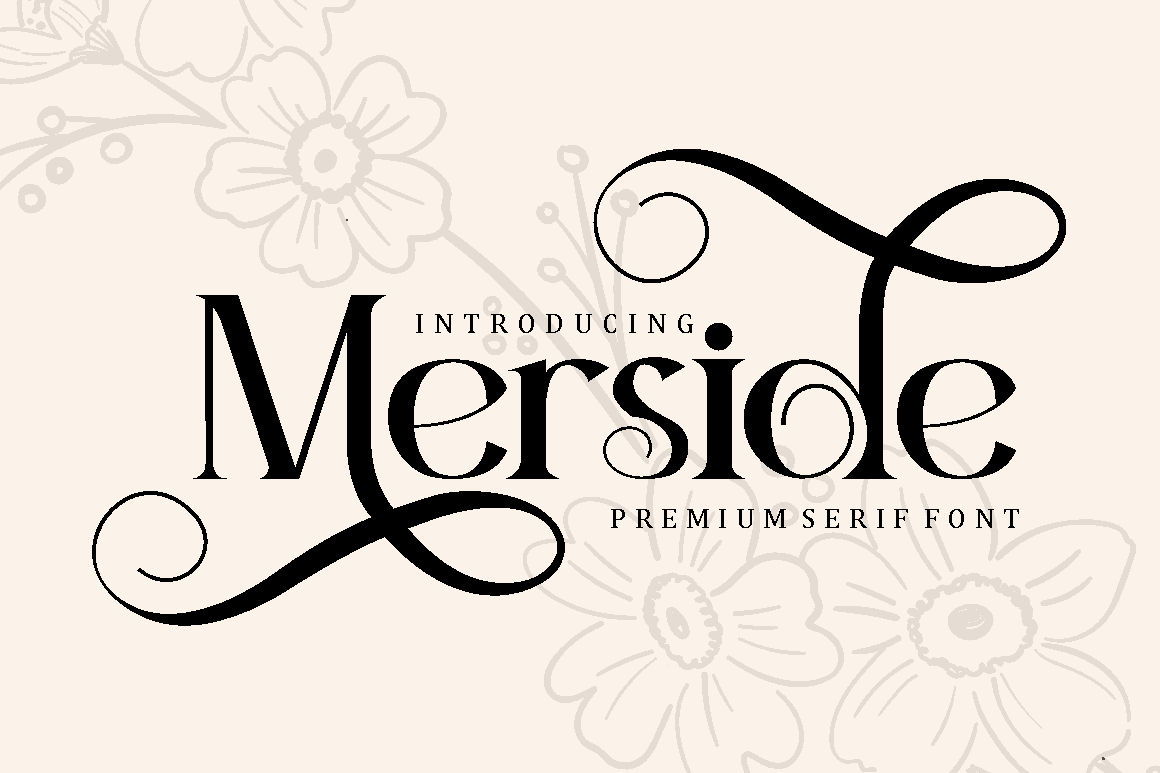
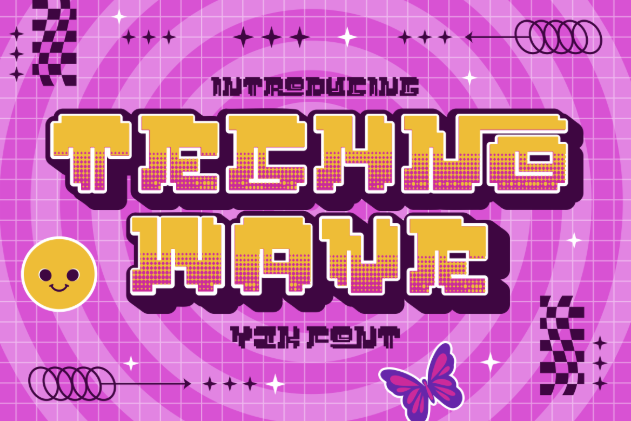

📈 Benefits of Low-Code/No-Code Development
⚠️ Limitations to Consider
Despite these, the benefits often outweigh the drawbacks—especially for startups, small teams, and non-tech creators.
🔮 The Future: Is Coding Obsolete?
Not at all. Developers will always be needed—especially for complex systems, infrastructure, and scaling products. But low-code/no-code allows more people to participate in the digital economy. It turns employees into creators and helps founders validate ideas without technical gatekeepers.
In the coming years, expect to see:
✅ Conclusion: Build Boldly, Code Optional
The rise of low-code and no-code platforms is democratizing digital creation. Whether you’re a solo entrepreneur, a startup founder, or part of a marketing team, these tools enable you to build fast, launch smart, and scale creatively—without writing a single line of code.
No longer do you need to wait for a developer. With the right platform, the right design, and the right idea, you can build it yourself.
Welcome to the future of creation—code optional.

