
As we move deeper into the hyper-connected digital era, futuristic graphic design has emerged as the visual language of innovation. It’s not just a style, it’s a mindset that embodies progress, technology, and transformation.
Rooted in avant-garde movements that rejected traditional forms, futuristic design celebrates experimentation and disruption. It fuses art and technology to express the spirit of tomorrow, through geometric precision, metallic tones, neon glows, and holographic illusions.
In a world dominated by screens, motion graphics, and AI-driven visuals, this design philosophy helps brands stand out by signaling one thing above all: forward thinking.
Futuristic design goes beyond aesthetics, it represents a strategic visual identity. The key is to create visuals that feel dynamic, dimensional, and alive.
Here are the essential elements that define the futuristic style:
Shapes such as triangles, hexagons, and grids form the foundation of futuristic visuals. These elements communicate structure, technology, and order, mirroring the interconnected systems of the digital world.
Bright cyan, magenta, silver, and chrome tones dominate this palette. They mimic the glow of LED screens and holograms, creating an immersive sci-fi atmosphere.
3D gradients, reflections, and holographic textures add depth and energy. Many futuristic designers use parallax effects, particle motion, and light trails to suggest continuous movement.
Typography takes center stage, often defined by tight spacing, angular lines, and geometric symmetry. Fonts are bold, legible, and experimental, perfect for expressing digital modernity.
In short, futuristic design bridges the physical and virtual worlds, transforming static visuals into immersive digital experiences.
Typography is the backbone of futuristic design. It’s not just about reading, it’s about feeling.
Futuristic fonts are typically sans-serif, minimal, and geometric. They rely on clean lines and mathematical precision, creating a visual rhythm that mirrors digital environments.
In brand identity, futuristic typography represents confidence and innovation. It tells audiences that a company isn’t stuck in the past, it’s building the future.
Futuristic design isn’t limited to one field, it’s a multidisciplinary force shaping everything from digital interfaces to entertainment media. Let’s explore how it thrives across industries:
Modern interfaces rely heavily on futuristic aesthetics. Think gradient backgrounds, glass-morphism, intuitive navigation, and smooth micro-animations. These designs make digital products feel alive and enhance usability.
From AI startups to robotics firms, futuristic design communicates precision, intelligence, and innovation. Geometric logos and metallic typography often become visual metaphors for progress.
Kinetic typography, particle systems, and glowing overlays dominate motion design. In AR and VR, 3D typography and floating elements immerse users in interactive visual stories.
Rooted in rebellion, cyberpunk aesthetics use digital distortion, pixel noise, and neon intensity to challenge the norms of perfection. This style represents chaos within a controlled digital system.
Retro-futurism fuses nostalgia with innovation, think old sci-fi aesthetics combined with sleek, minimal interfaces. Infographics use holographic grids and luminous data lines to visualize information dynamically.
Futuristic design adapts easily to every medium, reinforcing its role as a strategic, cross-platform visual language.
The right font can transform a good design into an extraordinary one. Below are five premium futuristic fonts from Putracetol.com — each designed to capture the energy and sophistication of tomorrow’s visual culture.

Inspired by sci-fi worlds and mechanical structures, Tronix features sharp edges and robotic geometry. Perfect for gaming, movie titles, or high-tech branding.
💡 Best for: Sci-fi posters, tech startups, and esports branding.
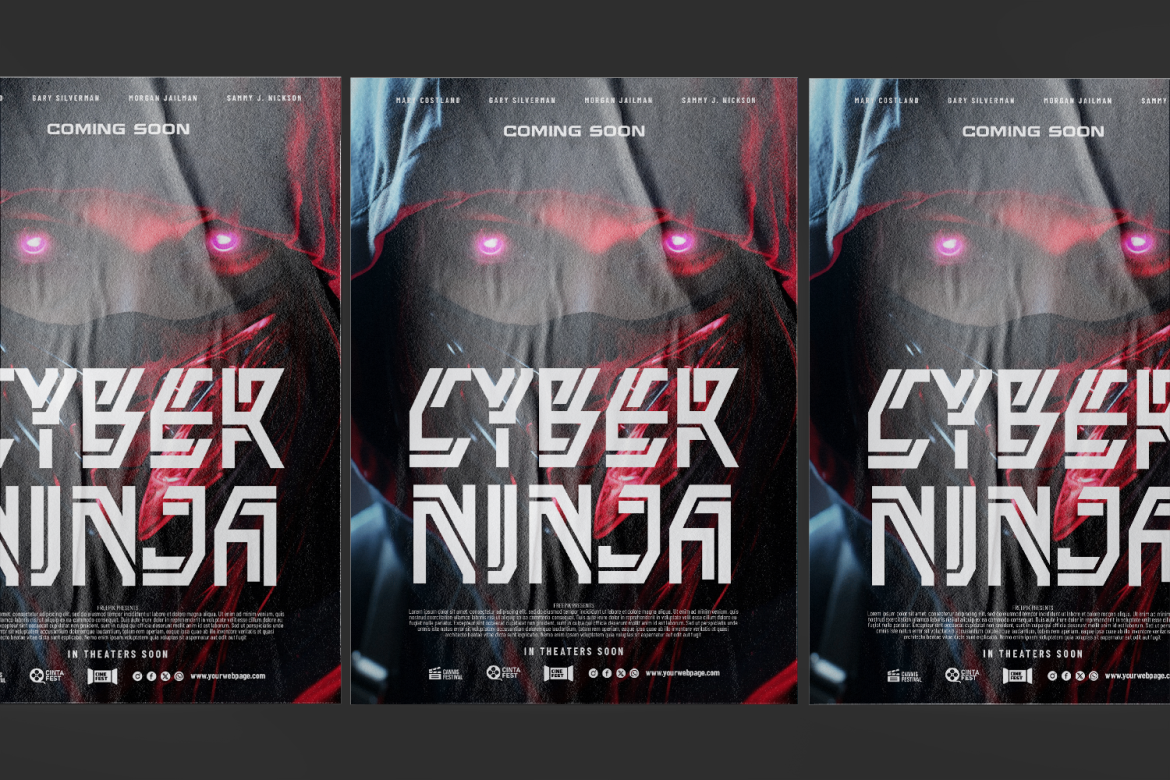
Rocket Core’s modular design makes it ideal for digital interfaces. Its balanced proportions and dynamic symmetry give brands a clean yet bold futuristic personality.
💡 Best for: UI/UX projects, digital products, and mobile branding.
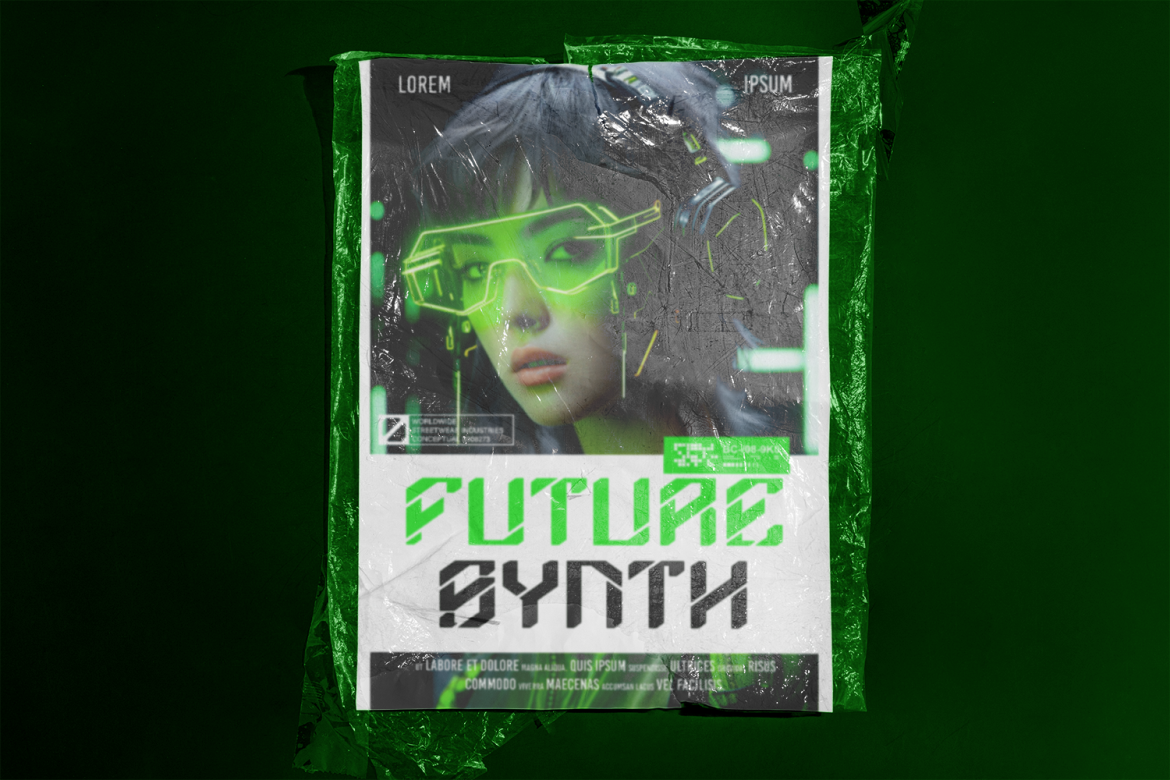
Neurobyte combines cyber aesthetics and human emotion, with curved letterforms that evoke both organic flow and mechanical control.
💡 Best for: AI products, VR interfaces, or experimental typography.

Autocron features tech-inspired modular strokes and wide letter spacing, making it readable yet distinctive. Its bold geometry adds confidence to tech visuals.
💡 Best for: Automotive branding, tech conferences, and modern packaging.

Dynatron captures the vibe of retro-futurism, with sharp lines, balanced structure, and digital curves. It feels nostalgic yet advanced, making it versatile across visual contexts.
💡 Best for: Creative agencies, digital posters, and music event branding.
Futuristic graphic design isn’t just about looking innovative, it’s about being perceived as innovative. Brands that adopt this style align themselves with progress, intelligence, and adaptability.
💡 Insight: Futuristic design is not about abandoning simplicity, it’s about redefining it through technology, movement, and light.
To successfully capture the futuristic essence, balance innovation with usability. Here are practical tips for designers:
A good futuristic design should make the viewer feel immersed in the digital atmosphere, not overwhelmed by it.
The futuristic style reflects more than just an aesthetic, it’s a strategic identity philosophy. Brands that embrace this look are effectively communicating optimism, innovation, and leadership in a world shaped by rapid technological change.
This approach aligns perfectly with the needs of startups, gaming companies, automotive brands, and creative agencies seeking to stand out in an increasingly digital marketplace.
The combination of neon energy, geometric balance, and refined typography results in designs that feel both intelligent and aspirational, appealing to audiences who crave creativity and progress.
Futuristic graphic design represents a visual revolution, a fusion of technology, creativity, and emotion that defines how brands communicate in the modern era.
From holographic effects to modular typography, this style is not about decoration, it’s a strategic visual system built for adaptability, innovation, and impact.
By incorporating fonts like Tronix, Rocket Core, and Dynatron from Putracetol.com, designers can infuse their work with the sophistication and energy of the future.
Because in this hyper-connected era, design is more than communication, it’s the architecture of tomorrow’s imagination.
Thank you for taking the time to read this article. If you are looking for more great articles, feel free to visit Putracetol Blog
Additionally, if you want to explore some free typography options, you can check out Putracetol Studio on Dafont. Happy reading and designing!

