
In the vast realm of typography, Foreign Look fonts stand out as a unique category that captures the essence of various cultures through design. These fonts, inspired by the scripts and writing systems of different regions, offer designers a tool to evoke specific cultural aesthetics and narratives. Let’s delve into the world of Foreign Look fonts, exploring their definition, origins, applications, and significance in contemporary design.
Foreign Look fonts are typefaces designed to emulate the visual characteristics of scripts from languages different from the primary language of the content. They often draw inspiration from the calligraphic styles, letterforms, and ornamental features of various writing systems, such as Arabic, Chinese, Japanese, Korean, Sanskrit, and more. While they may not always be linguistically accurate representations, their primary purpose is to evoke the cultural essence and aesthetic of the script they mimic.
Designers, advertisers, and branding professionals frequently utilize Foreign Look fonts to infuse their projects with a sense of cultural identity or to appeal to specific demographics. These fonts are prevalent in industries such as:



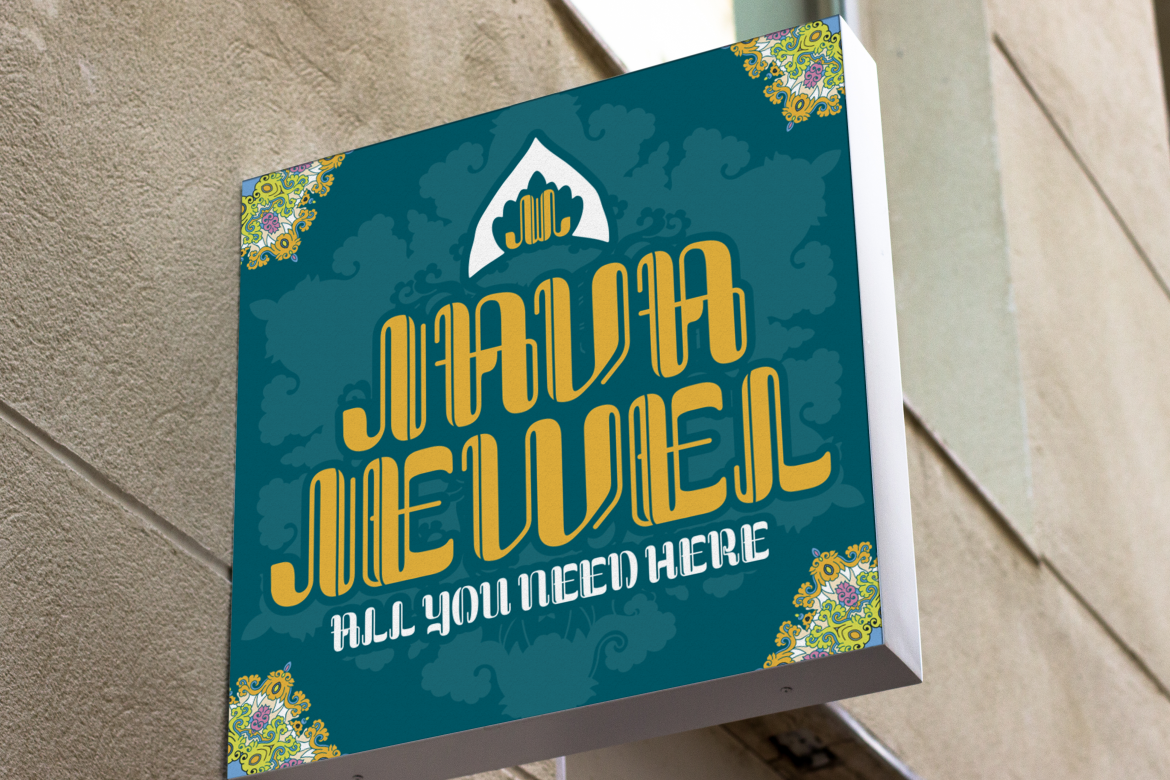
The concept of designing typefaces inspired by foreign scripts dates back centuries, with early examples found in colonial-era publications and missionary texts. However, the modern proliferation of Foreign Look fonts aligns with the globalization of design and the digital revolution, which made diverse typefaces more accessible to designers worldwide.
These fonts find application across various mediums, including:
The strategic use of Foreign Look fonts can:
While Foreign Look fonts can enrich design, it’s crucial to approach their use with cultural sensitivity:
Arabic calligraphy, known for its intricate beauty and spiritual depth, is a prime example of a script that has inspired numerous Foreign Look fonts. The art of Arabic calligraphy, or ‘khatt’, transcends mere writing; it’s a discipline that embodies patience, balance, and a deep connection between the physical act of writing and spiritual reflection. Historically, Arabic calligraphy has been used to adorn religious texts, architecture, and art, symbolizing the divine and the infinite. When designing or selecting Arabic-inspired fonts, it’s essential to honor this rich tradition and approach it with the reverence it deserves.
Foreign Look fonts offer a gateway to the rich tapestry of global cultures, allowing designers to craft narratives that resonate across diverse audiences. By understanding their origins, applications, and the responsibilities that come with their use, we can harness their power to create designs that are not only visually compelling but also culturally respectful and meaningful.
Thank you for taking the time to read this article. If you are looking for more great articles, feel free to visit Putracetol Blog
Additionally, if you want to explore some free typography options, you can check out Putracetol Studio on Dafont. Happy reading and designing!

