
Chocolate is more than a sweet treat in the United States, it is a cultural experience. From childhood memories of Trick-or-Treat bags filled with Snickers and Reese’s, to luxury truffles purchased for special occasions, chocolate brands help define flavor preferences, celebrations, and even product innovation trends across generations. The U.S. chocolate market today is one of the most diverse in the world, blending American icons, European imports, mass-market staples, and premium boutique chocolates.
This article explores the most famous chocolate brands in the U.S., their histories, their iconic products, and how they have collectively shaped the country’s chocolate consumption culture.
Before looking at individual brands, it’s useful to understand what makes the U.S. chocolate culture distinctive. Three themes stand out:
In recent years, a fourth dimension has emerged: health + ethical trends, including dairy-free, reduced sugar, and fair-trade cocoa sourcing. These shifts are changing how the industry innovates.
Below is an overview of the most influential brands and what they contribute to the market.
No brand is more synonymous with American chocolate than Hershey’s, founded in 1894 in Pennsylvania. Known as “The Great American Chocolate Bar,” Hershey’s built an empire around widely accessible chocolate at an affordable price.
Most iconic products include:
Hershey’s succeeded not just through flavor, but through culture-making, appearing in s’mores at campfires, lunchbox treats, and movie theater snacks. Its role in American childhood nostalgia is unmatched.
Technically a Hershey’s sub-brand, Reese’s has achieved its own cult-like following, especially with its Reese’s Peanut Butter Cups, arguably one of the most beloved confections in the United States.
Its winning formula:
Chocolate + Peanut Butter = American perfection
Reese’s has expanded into seasonal shapes, miniatures, bars, cereals, and ice creams, demonstrating the power of brand elasticity.
Mars has long played both in the U.S. and U.K. markets. In the U.S., its influence comes from hits like:
Mars is also the parent brand of Dove (Galaxy), solidifying its presence across mass and premium categories. M&M’s in particular exemplifies brand personality through colorful characters and collectible merchandise.
Ferrero built global prestige around Ferrero Rocher, known for gifting and holidays. But its portfolio also includes:
Ferrero has grown sharply in the U.S. in the past decade, acquiring brands like Butterfinger and Crunch from Nestlé. Ferrero’s strength lies in texture sophistication and premium positioning.
Nestlé, despite selling its U.S. confectionery division, remains culturally relevant through:
Its history in American supermarkets goes back decades, making it one of the most recognizable global food brands.
Cadbury is associated with:
In the U.S., distribution agreements limit some Cadbury variations, but its seasonal products remain strong. Cadbury’s flavor profile is notably creamier and sweeter, reflecting its British roots.
Lindt has carved out a premium niche in American retail with:
Lindt stores, holiday packaging, and gift boxes have made premium chocolate more mainstream in the U.S., especially around Christmas and Valentine’s Day.
Godiva represents the luxury chocolate sector through its signature truffles, pralines, and boxed assortments. It plays in gifting, cafes, and hospitality. While fewer stores remain today, the brand retains strong premium associations.
Owned by Mars, Dove (known as Galaxy in the U.K.) appeals to consumers who want a creamier texture with flavor accents like:
Its marketing focuses on indulgence and self-reward.
Founded in San Francisco in 1852, Ghirardelli is one of America’s oldest chocolate brands and is praised for:
Ghirardelli bridges the line between artisanal and premium retail, especially in baking culture.
Milka gained broader visibility in the U.S. through creative collaborations like Milka x Oreo. The purple cow mascot and soft milk chocolate profile differentiate it from the darker or more intense U.S. bars.
Launched in 1896, Tootsie Roll is not a pure chocolate it is a taffy-like hybrid. Yet it remains part of American candy history and is especially nostalgic for Halloween traditions and retro candy shops.

| Brand | Origin | Iconic Products |
|---|---|---|
| Hershey’s | U.S. | Kisses, Cookies ’n’ Cream |
| Reese’s | U.S. | Peanut Butter Cups |
| Mars | U.S./UK | Snickers, Twix, M&M’s |
| Nestlé | Switzerland | KitKat, Smarties |
| Cadbury | U.K. | Dairy Milk, Crème Eggs |
| Lindt | Switzerland | Lindor Truffles |
| Dove/Galaxy | U.S./UK | Dove Promises |
| Tootsie Roll | U.S. | Tootsie Pops |
| Godiva | Belgium | Premium Truffles |
| Ghirardelli | U.S. | Chocolate Squares |
| Ferrero | Italy/U.S. | Ferrero Rocher, Nutella |
| Milka | Switzerland | Milka Bars, Milka + Oreo |
From a branding perspective, chocolate companies excel at:
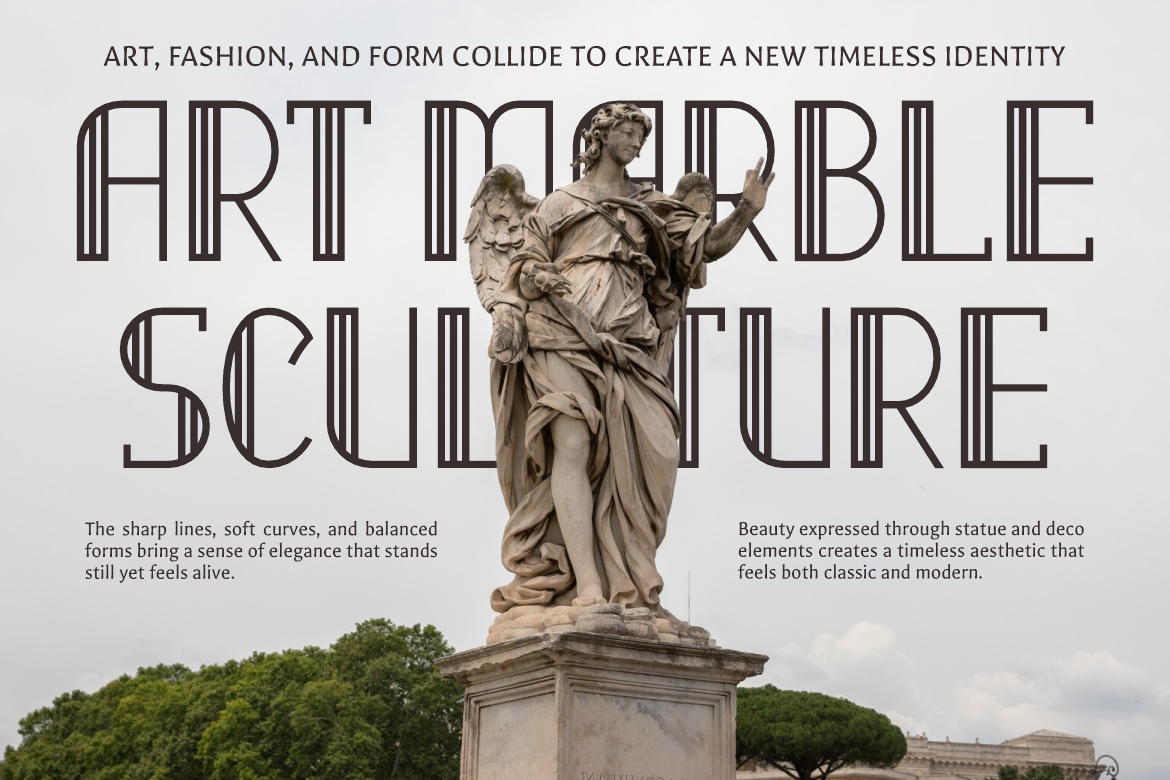
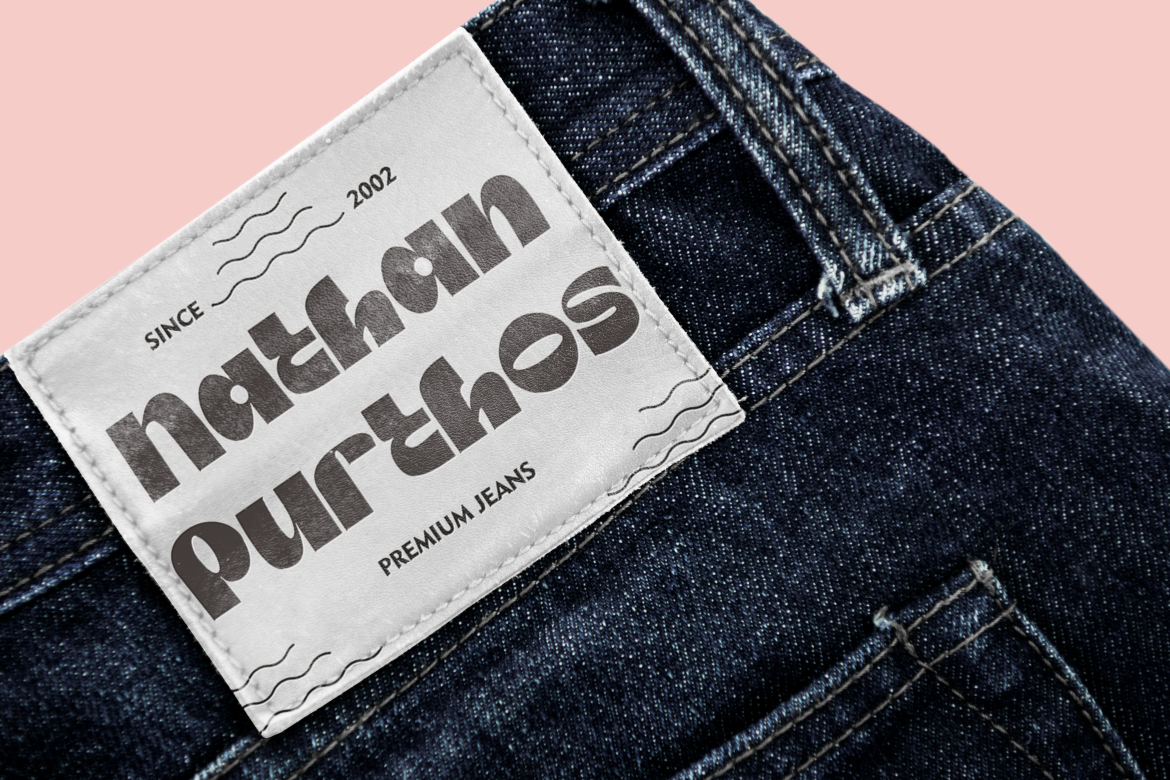
Brands such as Kinder, Lindt, Milka, and Hershey’s have produced memorable packaging that blends illustration, typography, and lifestyle positioning. Modern brands increasingly use typography-forward packaging, where fonts play a central role in shaping perception. Display fonts such as Deco Vogue, Enjoying Typeface, or Malow Display (from Putracetol Studio) align well with premium confectionery aesthetics and seasonal gift packaging.
The U.S. chocolate landscape is shaped by both domestic icons and international imports. Together, they create a culture defined by accessibility, indulgence, nostalgia, innovation, and branding sophistication. Whether it is mass-market favorites like M&M’s or luxury boxes from Godiva, chocolate helps mark celebrations, reward ourselves, and connect memories across generations.
Thank you for taking the time to read this article. If you are looking for more great articles, feel free to visit Putracetol Blog
Additionally, if you want to explore some free typography options, you can check out Putracetol Studio on Dafont. Happy reading and designing!

