Why Every Designer Needs to Understand Licensing
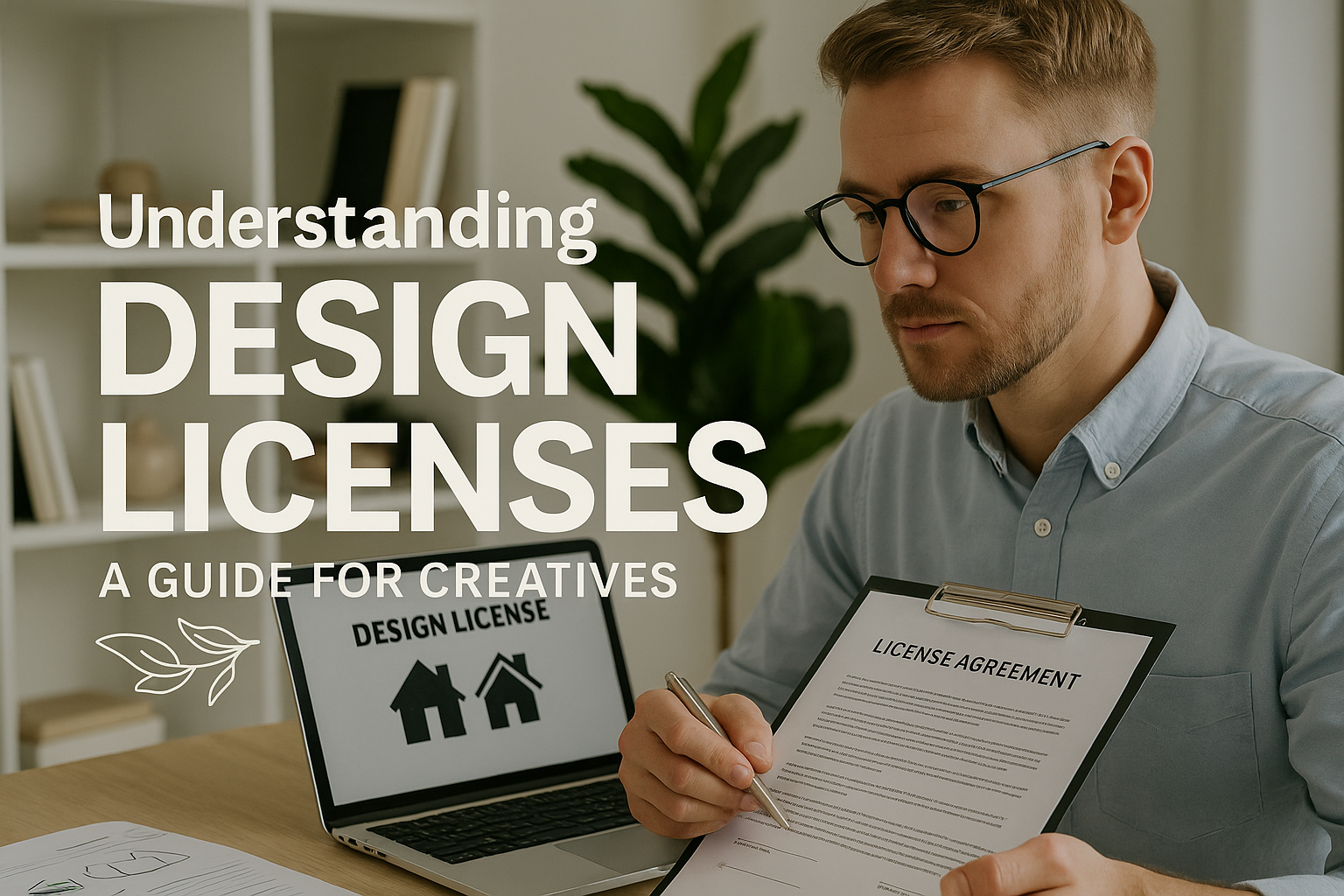
In the world of design, creativity and law go hand in hand. Whether you’re creating fonts, illustrations, branding materials, or UI kits, every digital asset you produce holds value. But that value is only protected if it’s legally defined and that’s where design licenses come in.
A design license acts as a legal permission granted by the creator (licensor) to the user (licensee) to use a specific work under agreed conditions. It determines how, where, and by whom a design can be used.
For both independent creators and design studios, understanding and managing licenses ensures that creative works are protected from misuse, while users or clients can enjoy legal and ethical freedom in applying those assets. This article explores the different types of design licenses every creative should know, from free-use models to commercial and embedded licenses.
What Is a Design License?
A design license is a document or agreement that defines the rights to use a copyrighted work. It is governed by intellectual property law, ensuring that creators maintain ownership while granting specific permissions to others.
Licenses help prevent:
- Unauthorized reproduction or redistribution
- Commercial misuse of creative assets
- Legal disputes between creators and users
For designers, setting clear licensing terms builds trust and professionalism, ensuring clients know exactly what they’re paying for, and what’s off-limits.
Donationware and Shareware: The Community-Driven Models
1. Donationware License
Donationware offers users access to a design or software product for free, with the option to contribute a voluntary donation. It’s often used by independent designers or developers who value community support over fixed pricing.
For example, a type designer might offer a font like Triluna Handwritten Font as donationware to allow small creators to use it freely while encouraging voluntary donations for continued development.
Pros:
- Builds goodwill and community support
- Encourages exposure and feedback
- Flexible and user-friendly
Cons:
- Unpredictable income
- Limited protection against misuse
2. Shareware License
Shareware allows users to test a product for a limited period before purchasing the full version. It’s a “try before you buy” system that builds user trust while promoting transparency.
Many design tools and font creators use shareware to attract new users, offering limited features or watermark restrictions that disappear upon purchase.
Pros:
- Encourages user testing before purchase
- Builds product credibility
- Generates consistent conversions
Cons:
- Risk of piracy or unauthorized full use
- May require extra effort to manage trial systems
Free for Personal Use vs. Free for Commercial Use
These are among the most common terms in the creative industry, especially in font licensing and digital design marketplaces.
3. Free for Personal Use License
This license allows users to download and use a design or font for non-commercial purposes only. This includes school projects, personal blogs, or social media posts without monetization.
However, using the same asset for commercial gain, such as on merchandise, advertisements, or paid client projects, violates the license.
For instance, a playful script font like Sweety Lover might be free for personal use but requires a paid commercial license for branding or product packaging.
Pros:
- Great exposure for designers
- Encourages personal creativity
- Attracts non-commercial users
Cons:
- Easy to misuse without awareness
- No revenue from personal-use users
4. Free for Commercial Use License
A Free for Commercial Use license allows businesses and creators to use the asset in profit-generating projects, from advertisements to print products, without additional payment.
However, even with this license, the creator may impose conditions such as:
- Mandatory attribution (credit to the creator)
- Prohibition of resale or redistribution
- Restriction on modification
This type of license is often used by independent designers who want to increase reach and brand awareness.
Pros:
- Expands audience reach
- Simplifies legal usage for clients
- Builds designer visibility
Cons:
- May reduce direct sales
- Requires clear attribution management
Professional Design Licenses: Desktop, Website, and Embedded
As the design industry grows, specialized licensing categories have emerged to protect creators and suit different use cases.
5. Desktop License
A Desktop License typically applies to fonts installed directly on a computer. These fonts (usually in .OTF or .TTF format) can be used for:
- Print design (flyers, posters, packaging)
- Branding materials
- Editorial layouts
For example, the Firanza Display Classic Serif Font from Putracetol Studio would require a desktop license for use in magazine covers or printed catalogs.
Pros:
- Versatile for print and offline use
- Standard across the design industry
- Easy to manage per workstation
Cons:
- Limited to a fixed number of users or computers
- Not suitable for web embedding
6. Website License
A Website License grants permission to use a font or graphic directly on a website through CSS or web embedding.
This type of license ensures:
- Legal online usage
- Proper font hosting (self-hosted or via webfont services)
- Protection from unauthorized downloads
For example, a digital brand might use Luxerna Display with a web license to maintain visual consistency across its website headers and landing pages.
Pros:
- Perfect for online branding
- Ensures proper web font rendering
- Legally secure for public use
Cons:
- Requires technical setup (CSS embedding)
- May limit monthly web traffic or domain usage
7. Embedded License
An Embedded License allows the design asset usually a font, to be embedded into a device, app, or hardware interface.
This type of license is common for:
- Mobile apps
- Smart devices
- Game consoles
- Custom software interfaces
Once embedded, the license stays active even if the hardware changes ownership, ensuring continuous legality.
Pros:
- Ideal for app and device integration
- Long-term validity
- Protects both developers and designers
Cons:
- Typically more expensive
- Complex to manage across multiple platforms
Why Design Licensing Matters
Licensing isn’t just about legality, it’s about professionalism, fairness, and sustainability.
For creators, a clear license:
- Protects original work from theft
- Establishes consistent pricing models
- Builds trust with clients and users
For users, it:
- Prevents copyright infringement
- Clarifies what is permitted and prohibited
- Ensures compliance with international copyright law
Whether you’re a freelancer selling digital products or a company purchasing creative assets, understanding licensing strengthens collaboration and trust in the creative economy.
Choosing the Right License for Your Work
When deciding which license to offer or purchase, consider:
- Purpose of Use: Personal, commercial, or industrial?
- Distribution Scope: Online, print, or embedded applications?
- Duration: One-time, subscription-based, or perpetual?
- Attribution: Will credit be required or optional?
- Scalability: How many users, installations, or devices are allowed?
If you’re a creator, offering tiered licenses, such as Personal, Commercial, and Extended Commercial, provides flexibility for different client needs.
At Putracetol Studio, for instance, font licenses are structured to accommodate freelancers, agencies, and corporations while maintaining copyright protection and fair compensation.
Conclusion: Legal Clarity Empowers Creativity
In a world driven by digital sharing and collaboration, understanding design licenses is essential for every creative professional.
Licenses bridge the gap between artistic freedom and legal protection. They ensure that creators are fairly credited and compensated, while users gain peace of mind knowing they are using assets ethically and legally.
By mastering the basics, from Donationware to Embedded Licenses, designers can make smarter business decisions, build lasting client relationships, and maintain integrity within the creative community.
Remember: great design isn’t just about aesthetics, it’s also about respect for ownership, authorship, and the laws that protect creativity itself.
Thank you for taking the time to read this article. If you are looking for more great articles, feel free to visit Putracetol Blog
Additionally, if you want to explore some free typography options, you can check out Putracetol Studio on Dafont. Happy reading and designing!