
Cursive fonts bring a sense of elegance, artistry, and personality to design. Whether used for branding, invitations, posters, or digital content, cursive typography can instantly enhance the emotional tone of a project. However, because of their decorative nature, these fonts require careful strategy. When misused, they can appear overwhelming or difficult to read.
This article outlines five essential tips for using cursive fonts professionally, along with practical applications and recommended typefaces from Putracetol.com to help designers create beautiful, balanced, and readable designs.
Cursive fonts mimic the fluid strokes of handwritten lettering. Their curves, loops, and connected strokes make them ideal for projects that need warmth, personality, or elegance. These fonts often evoke emotions such as romance, nostalgia, luxury, or creativity making them especially popular in lifestyle branding, event invitations, and artistic marketing campaigns.
But cursive typefaces must be used with intention. The right font can elevate a design; the wrong one can create visual clutter. That’s why understanding the key principles behind cursive typography is essential for every designer.
Not all cursive fonts work for every project. As expressive as they are, cursive styles should match the message and tone you want to convey.
For example, Putracetol.com offers elegant cursive-style fonts like Lux Ocean, which works beautifully for restaurant branding or premium food products. Meanwhile, a playful script like Sweete Line suits artistic or feminine-themed content.
Contextual alignment ensures that the atmosphere created by the typography matches the design’s purpose.
Cursive fonts can become difficult to read if they’re too decorative or too compressed. Professional designers always prioritize clarity. Even the most artistic script must be legible.
Readable cursive fonts such as Lux Ocean or Sweete Line strike a balance between artistic style and clean structure, making them versatile for professional use.
Cursive fonts usually work best in large display formats. Because of their detailed strokes, they lose clarity when placed in long paragraphs or small sizes.
Keeping cursive typography in display roles ensures that the design remains clean and professional.
Pairing is essential when working with decorative typefaces. Cursive fonts shine when matched with clean and neutral typography. This contrast creates visual balance and improves readability.
For example:
This approach helps guide the viewer’s eye and maintains a professional hierarchy in the layout.
Consistency is key in design, especially when using expressive fonts. Once you choose a cursive style, apply it consistently across related materials to strengthen brand identity.
Whether you’re designing a brand kit, a wedding suite, or a marketing campaign, maintaining a uniform typographic tone makes the work feel intentional and polished.
Cursive fonts create personalized and elegant wordmarks. Many premium brands use script typography to communicate exclusivity or heritage.
Cursive fonts naturally suit celebrations, weddings, seasonal events, and personalized messages. They elevate the emotional value of the design.
Decorative typography draws attention, making cursive fonts ideal for artistic posters, event promotions, or themed advertising campaigns.
Lifestyle blogs, creative Instagram posts, YouTube thumbnails, and Pinterest graphics often use cursive fonts to add personality and a crafted feeling.
These curated fonts from Putracetol.com provide both style and readability:

Elegant handwritten aesthetic perfect for food branding, boutique businesses, or lifestyle products.
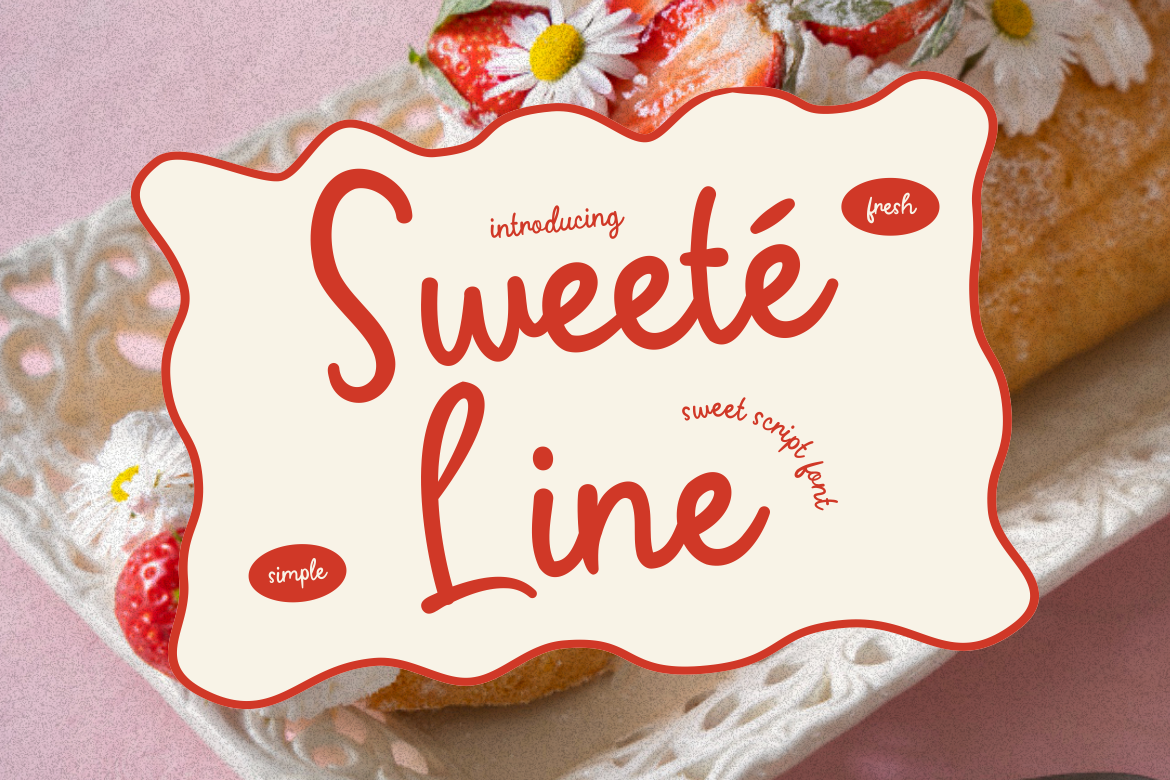
Expressive, feminine, and artistic ideal for social media, beauty brands, or invitations.

Offers a refined, premium handwriting style for high-end branding or editorial graphics.
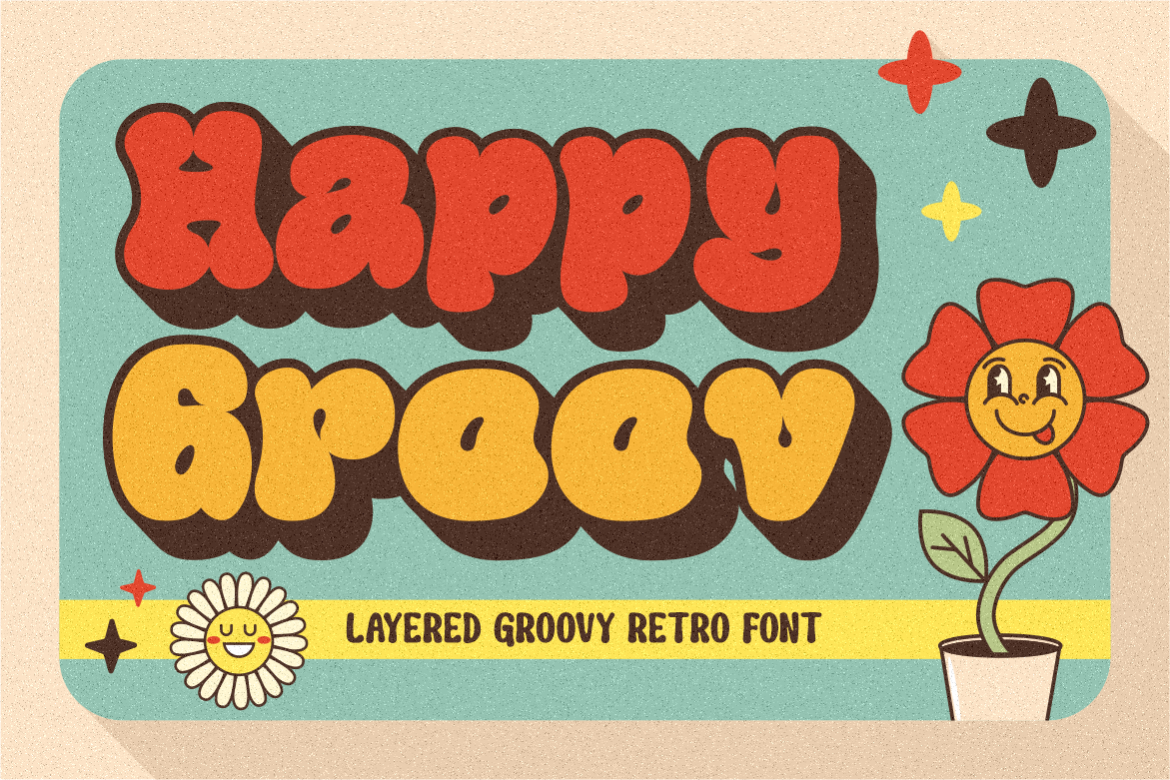
Nostalgic and approachable, suitable for classic-themed designs or vintage culinary content.

A friendly, warm cursive look ideal for food brands, restaurant ads, or recipe cards. Using these fonts gives designers more flexibility in creating emotional and engaging visual stories.
Even as modern minimalism grows, cursive fonts continue to thrive because they bring elements that clean typography cannot replace:
These qualities make them timeless tools for storytelling in design.
Cursive fonts can elevate visual communication when applied with intention and professionalism. By choosing the right style, ensuring readability, adjusting size appropriately, pairing thoughtfully, and staying consistent, designers can produce elegant and engaging work.
With curated cursive fonts from Putracetol.com, both beginners and experienced designers can create branding, invitations, posters, and digital content that feel personal, artistic, and refined.
Explore the full collection and start enhancing your designs with typography that speaks with elegance and creativity.
Thank you for taking the time to read this article. If you are looking for more great articles, feel free to visit Putracetol Blog
Additionally, if you want to explore some free typography options, you can check out Putracetol Studio on Dafont. Happy reading and designing!

