
In the digital world, a website is often the first point of contact between a brand and its audience. Before users read a single paragraph or click a button, they subconsciously judge how a site looks and feels. One of the most influential elements in shaping this first impression is typography.
Website typography is more than choosing a nice-looking font. It is a strategic design decision that affects readability, usability, emotional tone, and brand identity. The way text is arranged, spaced, and styled can determine whether users stay, scroll, engage, or leave.
This article explores why website typography matters, the core principles behind effective typographic design, and how designers can use typography to enhance both digital experience and brand identity. Insights are aligned with the design philosophy promoted by Putracetol.com, where typography is treated as a key component of modern digital communication.
Typography plays a central role in how users experience content online. Unlike print, digital typography must adapt to different screen sizes, resolutions, and user behaviors.
Readability is the foundation of effective website typography. If users struggle to read content, they will not stay long enough to engage with it.
Good typography improves readability by:
When content is easy to read, users can focus on the message rather than the effort of reading.
Typography is a visual language. Consistent use of typefaces helps reinforce a brand’s personality and values.
For example:
By using typography consistently across a website, brands create a recognizable visual identity that builds trust and familiarity.
User experience is shaped by how easily users can navigate and understand content. Typography directly affects this experience.
Well-designed website typography:
Balanced font combinations, spacing, and alignment create a smooth and comfortable browsing experience.
In crowded digital spaces, differentiation matters. Many websites rely on the same default fonts, resulting in similar visual experiences.
Unique typography helps a website:
Custom or premium fonts from sources like Putracetol.com help brands avoid generic design and express originality.
Strong website typography is built on a few fundamental principles. These principles ensure both aesthetic quality and functional clarity.
Consistency creates professionalism. Using too many fonts or styles can make a website feel chaotic and untrustworthy.
Best practices for consistency include:
Consistency strengthens brand recognition and visual harmony.
Hierarchy helps users understand what is most important on a page. Without hierarchy, content feels overwhelming.
Text hierarchy is created through:
Headings, subheadings, and body text should be clearly distinguished to guide the reader naturally.
Contrast ensures text remains readable against its background. Poor contrast can strain the eyes and reduce accessibility.
Effective contrast involves:
Contrast supports readability for all users, including those with visual impairments.
Websites are accessed on desktops, tablets, and smartphones. Typography must adapt seamlessly across all devices.
Responsive typography ensures:
Typography that works well on all devices improves usability and engagement.
Different types of websites require different typographic approaches. Understanding context helps designers make better choices.
Minimalist websites prioritize clarity and simplicity. Typography plays a leading role in defining their visual style.

Common typography traits include:

Fonts such as Conventri or Focused Block from Putracetol.com work well for minimalist layouts that emphasize clarity and modernity.
Creative blogs often aim to feel personal and expressive. Typography helps convey personality and tone.
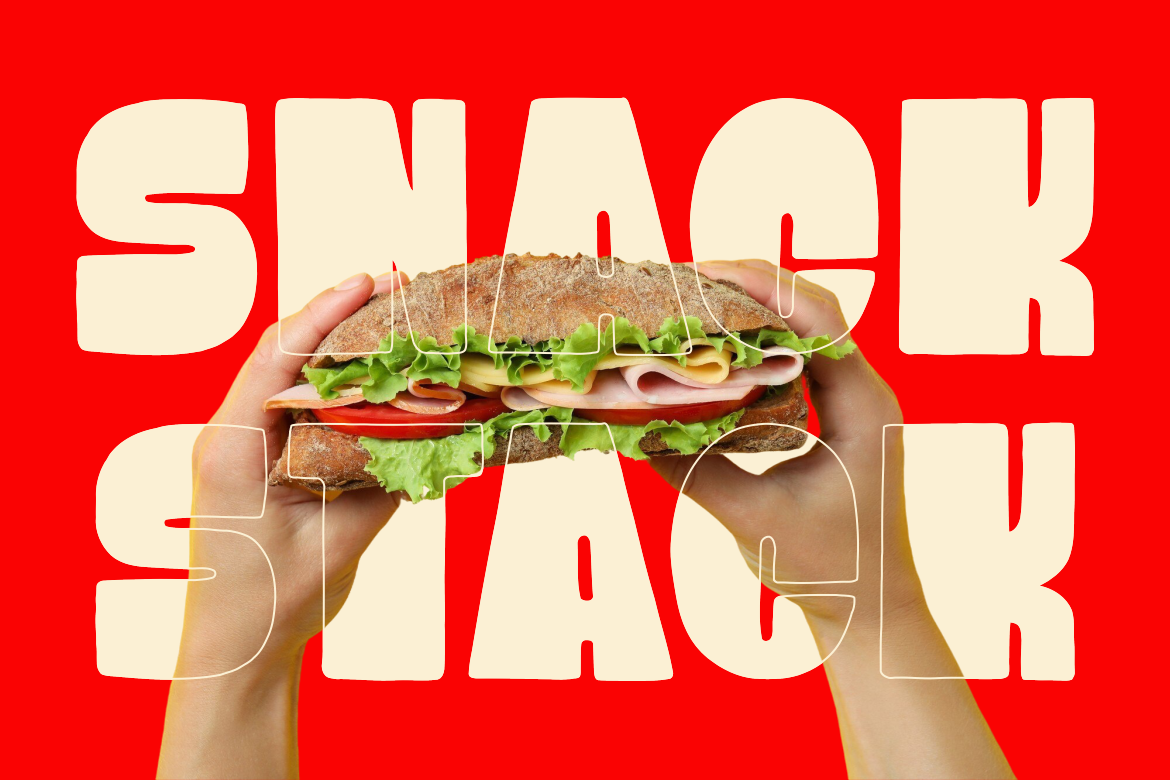
Designers may use:
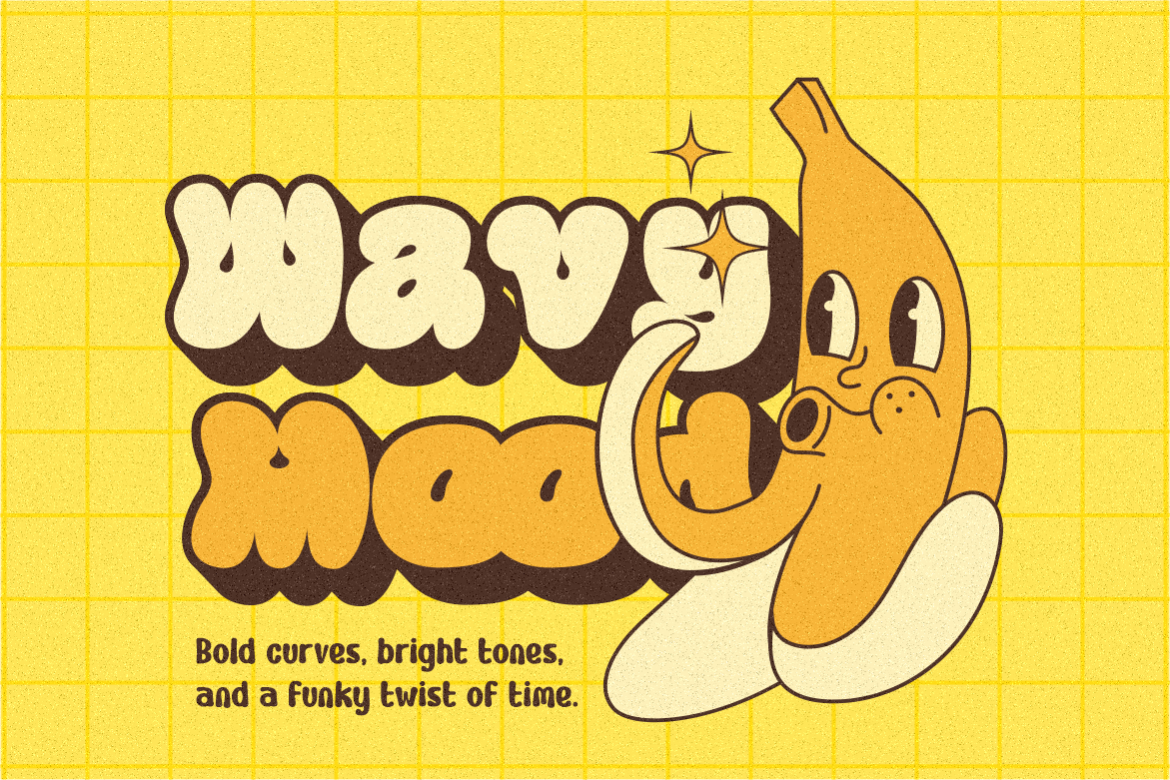
Fonts like Warm Toast or Happy Groov add warmth and individuality without sacrificing readability.
Corporate sites require a balance of professionalism and accessibility. Typography must communicate trust, authority, and clarity.

Key typographic features include:
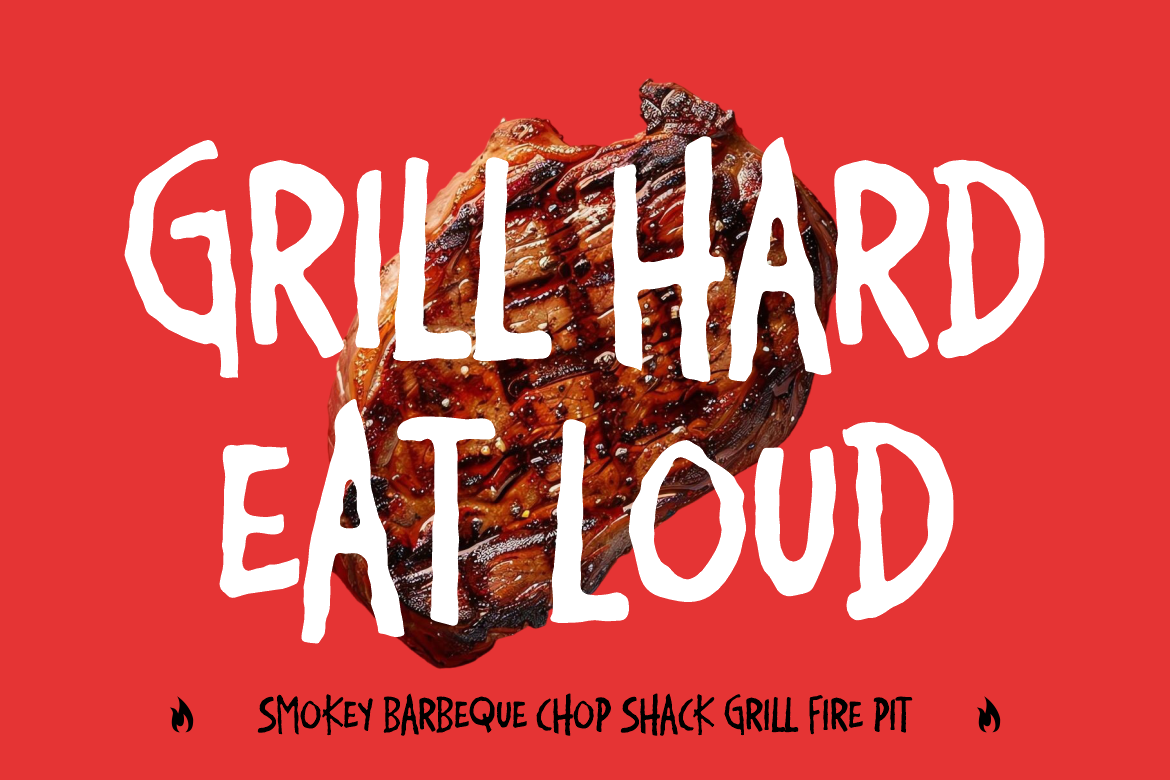
Fonts such as Luxerna Display or Bloxine from Putracetol.com support a polished and credible corporate image.
E-commerce websites rely heavily on typography to guide users toward actions.
Effective typography helps:
Bold display fonts paired with readable body text improve clarity and conversion rates.
Font selection is one of the most critical steps in website typography. The right font supports both function and brand identity.
A visually interesting font is not always suitable for body text. Designers should test fonts at different sizes and screen resolutions.
Questions to consider:
Readability should always come before style.
Typography should reflect how a brand speaks and behaves.
For example:
Consistency between brand voice and typography builds trust.
Too many fonts can confuse users and weaken identity. A common approach is:
This keeps the design clean and focused.
Putracetol.com provides curated font collections designed for modern digital use. These fonts balance visual character with technical reliability, making them suitable for websites, branding, and digital platforms.
Designers using fonts from Putracetol.com benefit from:
Typography becomes a strategic asset rather than a decorative afterthought.
Accessibility is an essential part of modern web design. Typography plays a key role in making content inclusive.
Accessible typography includes:
Inclusive design improves usability for all users, not just those with disabilities.
Good typography supports measurable outcomes. Websites with strong typography often see:
Typography affects how users feel and behave, making it a valuable design investment.
Website typography is a core element of digital experience and brand identity. It influences readability, usability, emotional response, and perception long before content is fully consumed.
According to Putracetol.com, effective typography combines clarity, consistency, and character. By applying strong typographic principles and choosing the right fonts, designers can create websites that are not only visually appealing but also comfortable, engaging, and professional.
In a digital landscape where attention is limited, thoughtful typography helps websites communicate clearly, stand out from competitors, and build lasting connections with users.
Thank you for taking the time to read this article. If you are looking for more great articles, feel free to visit Putracetol Blog
Additionally, if you want to explore some free typography options, you can check out Putracetol Studio on Dafont. Happy reading and designing!

