

10 Best Fonts for Books That Improve Readability and Design
Choosing the right font for a book is not just a visual decision, it’s a functional one. Typography directly affects how readers interact with your content, how long they stay engaged, and how easily they absorb information. Whether you’re publishing a novel, an academic paper, or a digital e-book, selecting the best fonts for books can significantly improve both readability and overall experience.
A well-chosen font enhances clarity, reduces eye strain, and reinforces the tone of the content. On the other hand, a poor choice can make even the most compelling writing difficult to read.
In this guide, we’ll explore ten carefully selected fonts that work exceptionally well for book publishing across different genres and formats.
Why Font Choice Matters in Book Publishing
Typography plays a critical role in long-form reading. Unlike posters or short-form content, books require sustained attention, which means the font must support readability over extended periods.
Here are the key factors to consider:
1. Readability Over Long Texts
Fonts for books should be easy on the eyes, especially in paragraphs with high word counts. Serif fonts are often preferred for print, while sans-serif fonts are commonly used in digital formats.
2. Consistency and Flow
Good typography creates a smooth reading rhythm. Letter spacing, line height, and character structure all contribute to this.
3. Tone and Genre Matching
Fonts carry personality. A historical novel, for example, benefits from a classic serif, while a modern guide might use a clean sans-serif.
10 Best Fonts for Books (Curated Selection)
Below is a mix of serif and sans-serif fonts that are suitable for different types of publications.
1. Velisse Feminine Serif – Artistic and Expressive

This serif font offers a refined, artistic look that works well for creative and literary projects. Its elegant curves make it especially suitable for poetry and art-focused books.
Best for:
- Poetry collections
- Art books
- Editorial publications
2. Rhonde – Modern and Lightweight
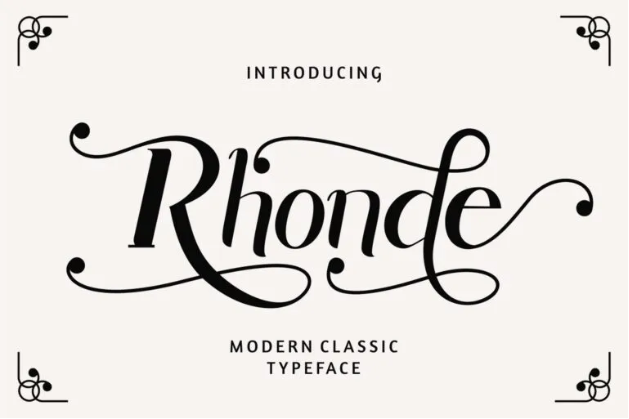
Rhonde is a clean sans-serif font designed for digital environments. Its simplicity makes it highly readable on screens, which is essential for e-books.
Best for:
- E-books
- Reports
- Digital publications
3. Safiar Duo – Elegant Simplicity
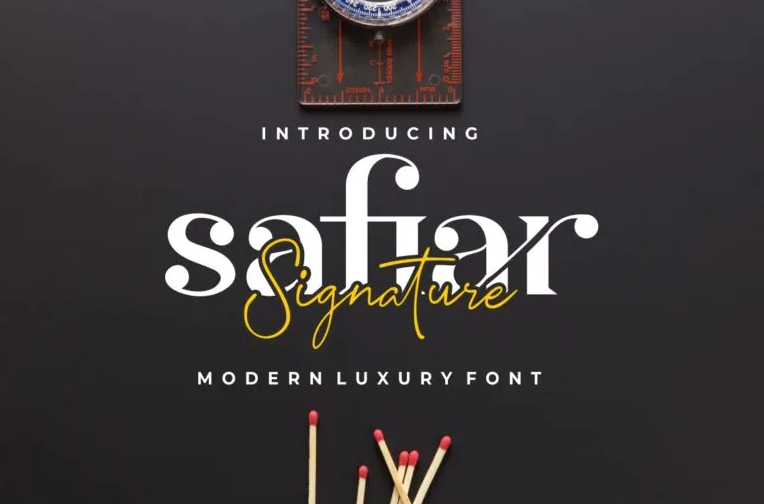
This font shares similarities with classic book fonts like Palatino but with a cleaner, more contemporary feel. It performs well in long-form text.
Best for:
- Novels
- Essays
- Long-form reading
4. Rolever Modern Sans Serif – Clean and Informative

Rolever is a strong alternative to Helvetica, offering clarity without feeling too mechanical. It’s ideal for structured, information-heavy content.
Best for:
- Instructional books
- Guides
- Non-fiction
5. Arash Modern Serif – Smooth and Comfortable
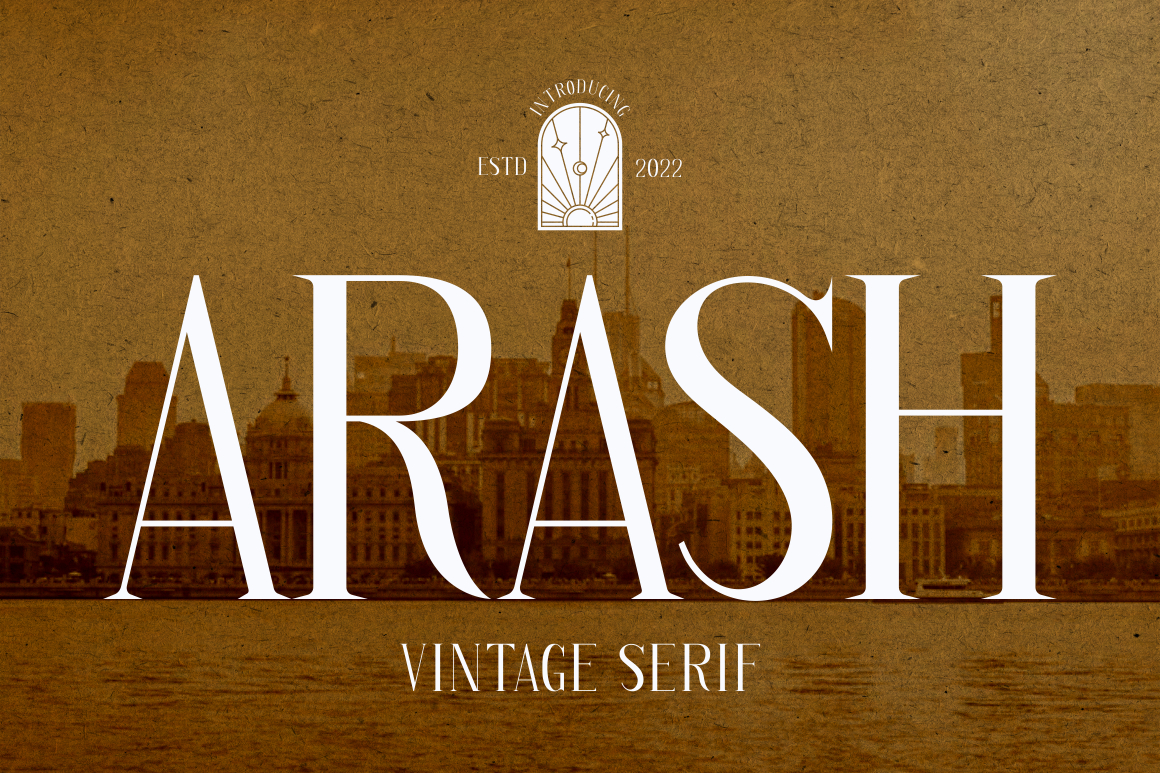
Arash is designed with readability in mind. Its smooth letterforms reduce visual fatigue, making it a strong choice for novels.
Best for:
- Fiction
- Literary works
- Storytelling
6. Velant Unique Experimental Font – Contemporary and Functional

This modern sans-serif font brings a fresh, clean look to non-fiction content. It’s particularly effective for practical materials.
Best for:
- Manuals
- Business books
- Self-help content
7. Roshmary – Classic and Authoritative
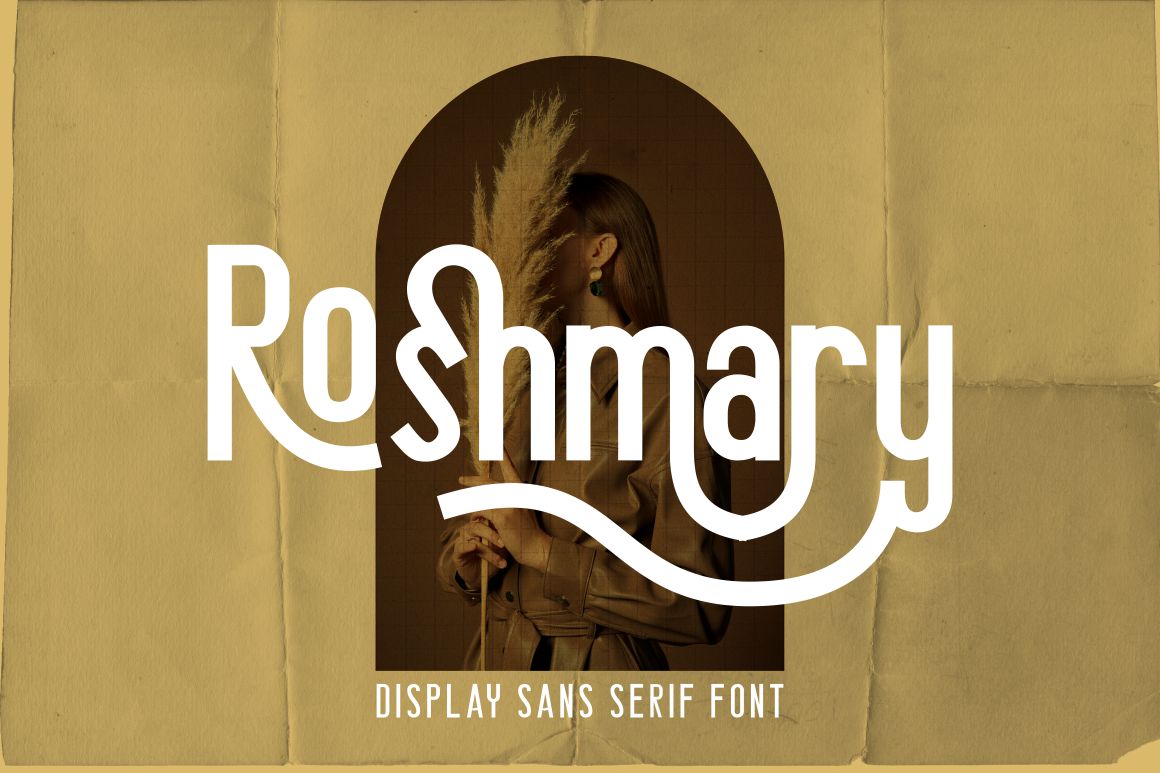
Roshmary has a traditional feel that conveys credibility and depth. It’s often associated with historical or academic writing.
Best for:
- History books
- Classic literature
- Biographies
8. Mahalini – Formal and Timeless
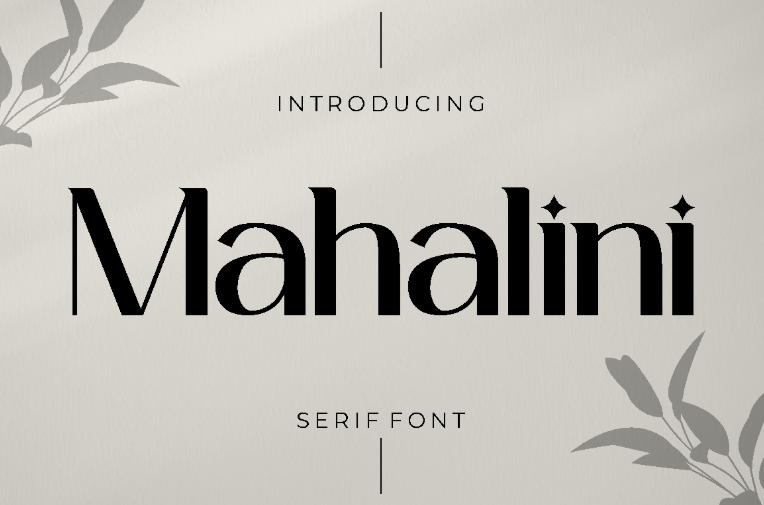
This font is built for serious, long-form reading. Its structure supports readability in dense academic content.
Best for:
- Academic journals
- Research papers
- Educational books
9. Nuri – Highly Readable and Friendly

Nuri is designed for clarity, making it perfect for younger audiences or educational materials. Its friendly appearance keeps readers engaged.
Best for:
- Children’s books
- Learning materials
- Educational content
10. Wavetra Unique Experimental Font – Digital-First Design

Wavetra is optimized for modern reading platforms. It balances style and readability, making it suitable for both print and digital formats.
Best for:
- E-books
- Hybrid publishing
- Modern layouts
Quick Comparison Table
| Font | Characteristics | Best Use |
|---|---|---|
| Mahalini | Formal, classic | Academic books, journals |
| Arash | Elegant, smooth | Novels |
| Wavetra | Digital-friendly | E-books, modern print |
| Roshmary | Classic, authoritative | History, literature |
| Velisse | Artistic serif | Poetry, art books |
| Safiar Duo | Elegant simplicity | Long texts |
| Velant | Modern sans-serif | Non-fiction, manuals |
| Rolever | Simple, clear | Instructional texts |
| Nuri | Highly readable serif | Children’s books |
| Rhonde | Modern, lightweight | E-books, reports |
How to Choose the Best Font for Your Book
Selecting the right font depends on several practical considerations:
Match the Font to Your Genre
- Fiction → Serif fonts like Arash or Safiar Duo
- Academic → Mahalini or Roshmary
- Digital → Rhonde or Wavetra
Consider Your Medium
- Print books benefit from serif fonts due to their readability
- Digital screens often favor sans-serif fonts
Think About Your Audience
- Younger readers need simpler, clearer fonts
- Professional audiences expect structured, formal typography
Common Mistakes in Book Typography
Even experienced designers make these mistakes:
- Using decorative fonts for body text
- Ignoring line spacing and margins
- Choosing fonts that look good but read poorly
- Not testing fonts in actual layout formats
Typography should always support reading, not distract from it.
Why These Fonts Work
The fonts listed above are effective because they balance three critical elements:
- Clarity: Easy to read across different formats
- Aesthetics: Visually aligned with the book’s tone
- Versatility: Suitable for various genres and layouts
This combination ensures a better reading experience and a more professional final product.
Final Thoughts
Choosing the best fonts for books is one of the most important decisions in publishing. It impacts not only readability but also how your content is perceived.
A well-selected font can make your book feel polished, credible, and enjoyable to read. Whether you’re working on a novel, an academic paper, or a digital guide, investing time in typography will always pay off.
For more inspiration, creative resources, and practical design tips,visit Putracetol.com and explore creative resources that can elevate your next web project.
Thank you for taking the time to read this article. If you are looking for more great articles, feel free to visit Putracetol Blog
Additionally, if you want to explore some free typography options, you can check out Putracetol Studio on Dafont. Happy reading and designing!