
Art Deco is more than a design trend, it is a cultural movement that symbolized the optimism, progress, and glamour of the early 20th century. Emerging after World War I, it gained global popularity between the 1920s and 1940s, influencing architecture, fashion, interiors, and visual communication. Defined by geometric patterns, bold lines, and luxurious decorative details, Art Deco graphic design became an enduring icon of modernism.
Even today, Art Deco continues to inspire contemporary designers, from logo creators to packaging artists, thanks to its striking combination of elegance, speed, and industrial spirit.
The Art Deco style originated in France and became internationally recognized at the Exposition Internationale des Arts Décoratifs et Industriels Modernes in Paris (1925). Unlike the organic forms of Art Nouveau, Art Deco embraced the machine age with its precise geometry, symmetry, and streamlined aesthetics.
This was a period of rapid industrial growth, technological innovation, and consumer culture. Art Deco reflected these shifts with a visual vocabulary that conveyed luxury, efficiency, and optimism for the future.
Art Deco’s appeal lies in its bold yet refined design language. In graphic design, it is characterized by:
These elements combined to produce eye-catching posters, packaging, advertisements, and typography that defined the visual culture of the 20th century.
Typography is one of the most recognizable features of Art Deco. Fonts designed in this style often have sharp edges, symmetrical forms, and decorative flourishes. They reflect the same geometric elegance seen in architecture and fashion.
Examples of Art Deco-inspired fonts include:

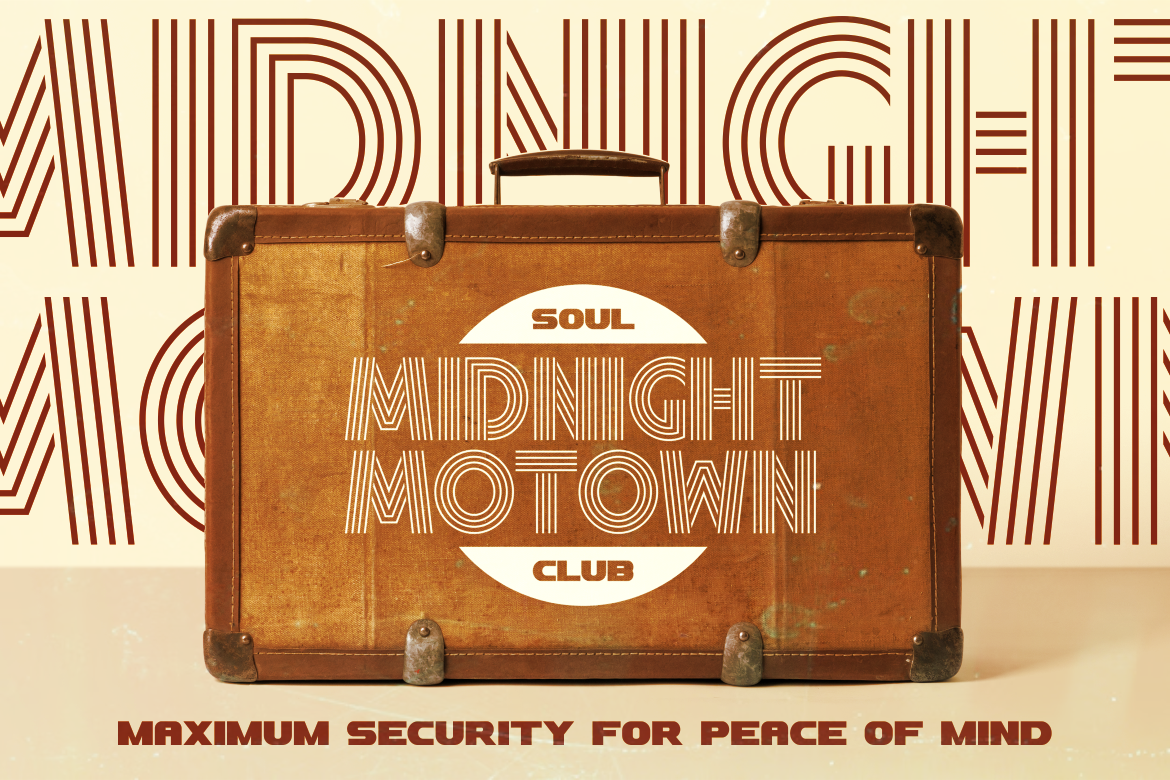
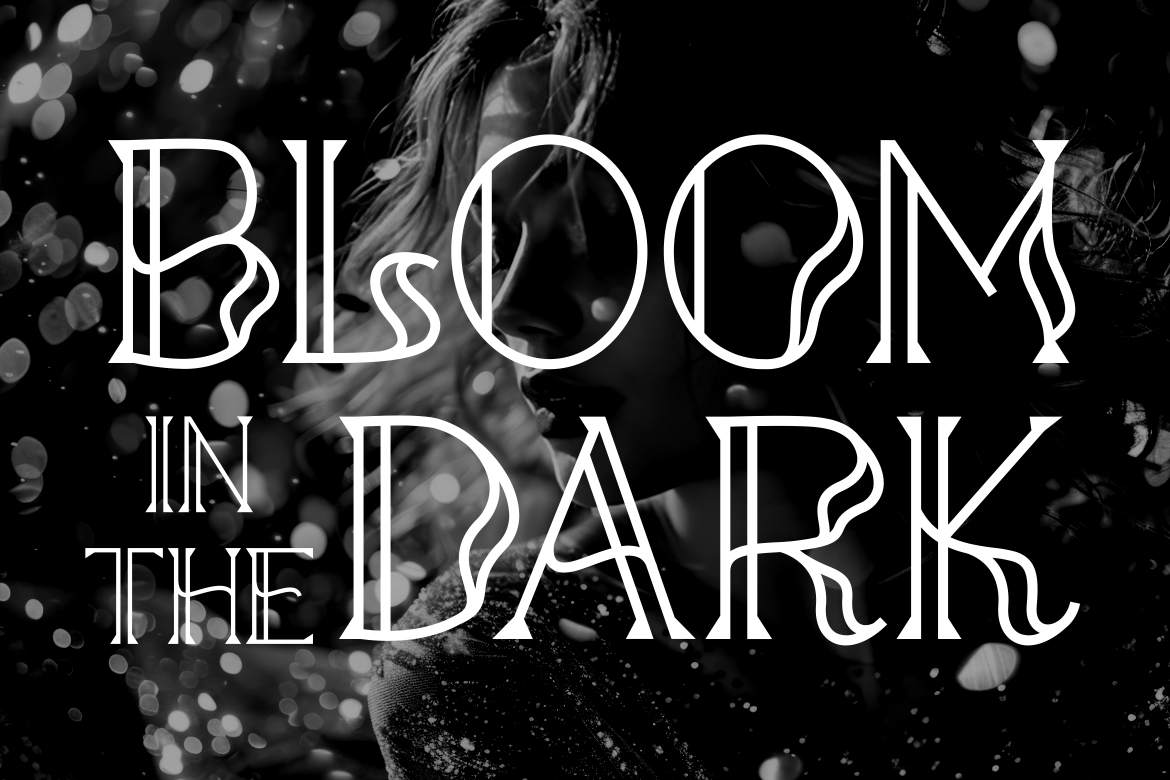
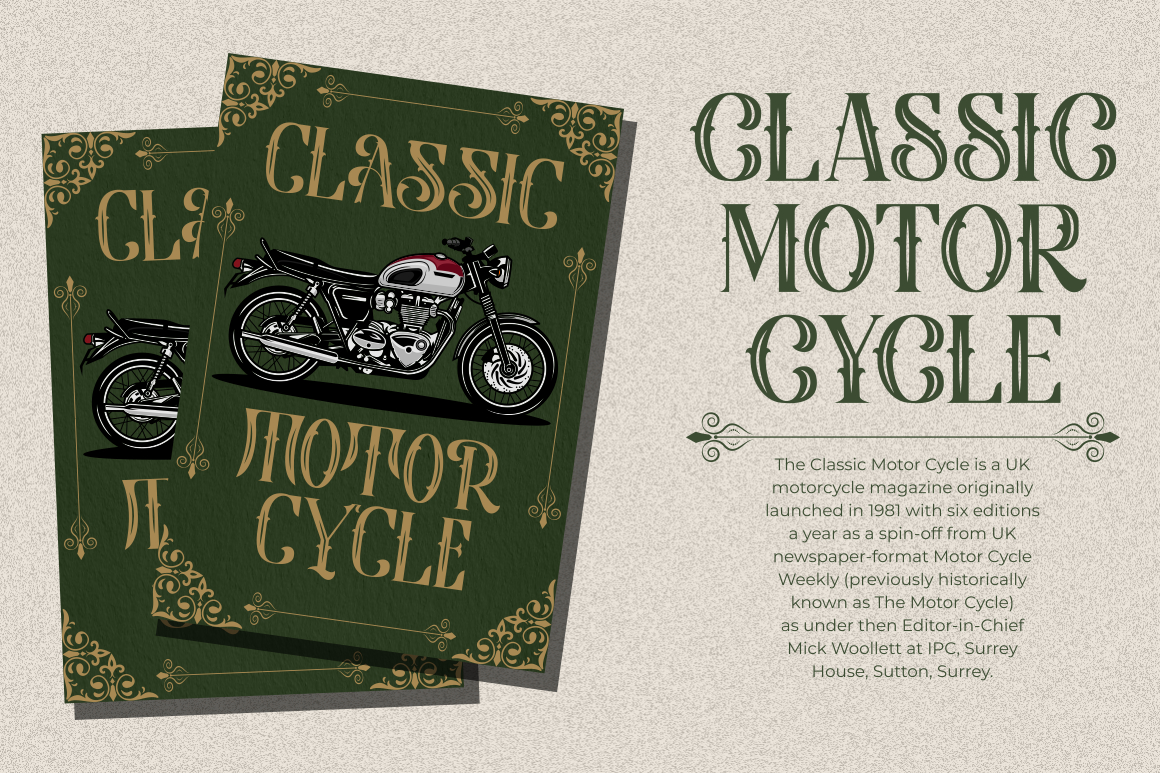
These fonts are excellent for branding, posters, editorial layouts, and product packaging where a sense of nostalgia and elegance is desired.
Indonesia, like many countries influenced by European trends in the early 20th century, has its own Art Deco heritage. During the colonial era, many buildings were constructed in this style, particularly in cities such as Bandung and Semarang.
Today, these architectural landmarks serve as both cultural assets and tourism attractions. They contribute to the visual identity of Indonesian cities, inspiring local designers and reinforcing a connection between history and modern creativity.
In graphic design, Indonesian creatives often reinterpret Art Deco through typography, posters, and branding, blending traditional elements with global aesthetics. This adaptation highlights Art Deco’s flexibility as a timeless source of inspiration.
Although rooted in the 1920s–1940s, Art Deco has never disappeared. It continues to re-emerge in modern design contexts such as:
This proves that Art Deco’s essence beauty, strength, and modernity, remains relevant even in the digital age.
The ongoing popularity of Art Deco in graphic design is not accidental. Its unique combination of aesthetic appeal and symbolic meaning continues to attract creators worldwide. Some reasons for its timeless charm include:
Art Deco is more than a design style, it is a visual celebration of progress, beauty, and innovation. From its origins in post–World War I Europe to its cultural presence in Indonesia, it continues to shape how we perceive modern elegance.
Whether through iconic architecture or digital branding, Art Deco graphic design remains a source of creativity and cultural pride. By using Art Deco-inspired fonts such as Strip Deco, Retro Rush, Gilded Glint, or Vintage Binary, today’s designers can revive the glamour of the past while shaping the aesthetics of the future.
Art Deco proves that even a century later, design can remain bold, decorative, and endlessly inspiring.
Thank you for taking the time to read this article. If you are looking for more great articles, feel free to visit Putracetol Blog
Additionally, if you want to explore some free typography options, you can check out Putracetol Studio on Dafont. Happy reading and designing!

