The Role of AI in Modern Typography
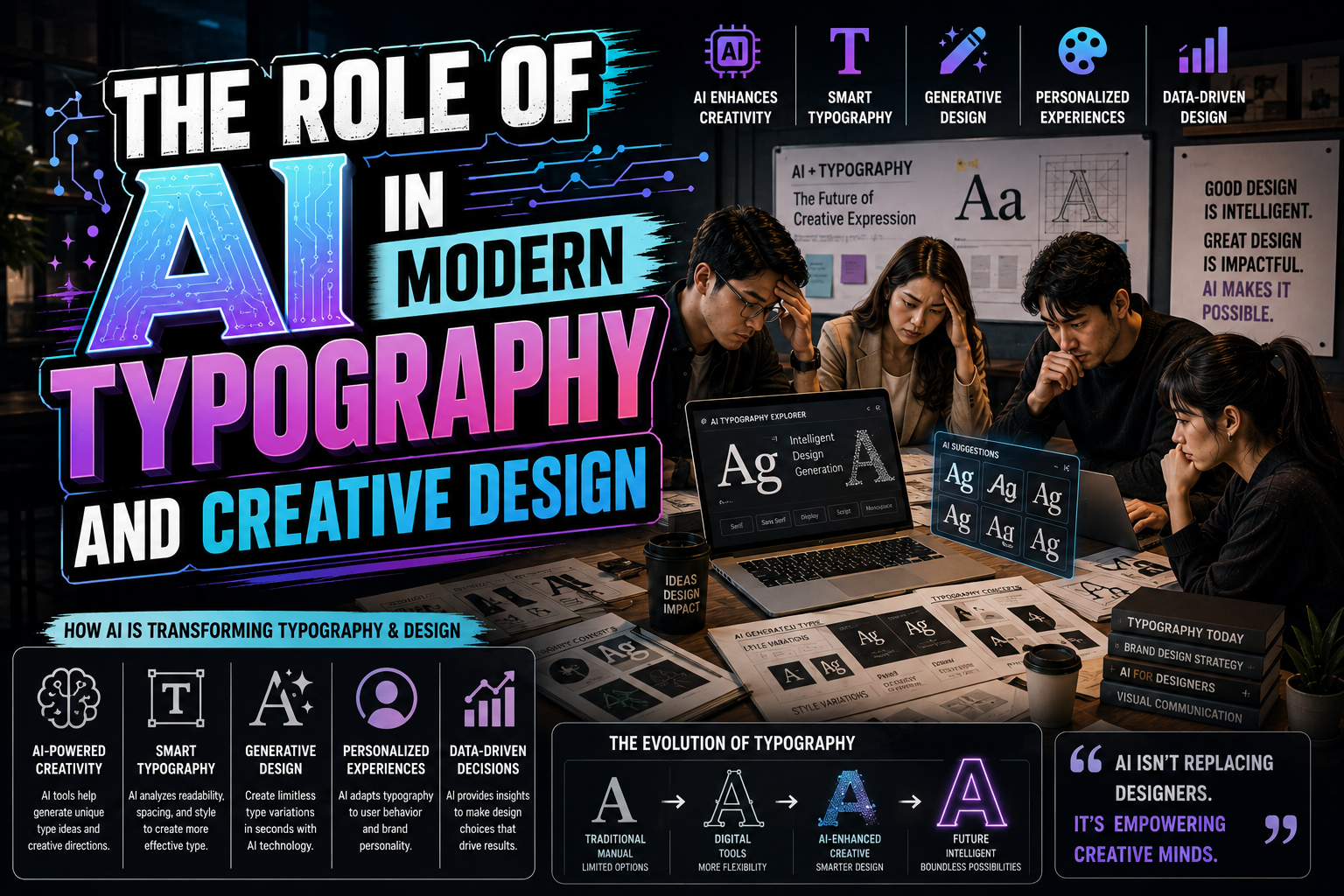
Typography has always been a core element of visual communication. From print media to digital interfaces, typography shapes how audiences perceive information, emotions, and brand identity. Today, the rise of Artificial Intelligence is transforming typography in ways that were once impossible.
AI is no longer limited to automation or data analysis. In the creative industry, it is becoming a powerful tool for designers, helping generate custom fonts, improve efficiency, and enhance visual aesthetics. This evolution has changed how typography is created, tested, and applied across branding, digital content, and modern design systems.
In this article, we’ll explore the growing role of AI in modern typography, its practical benefits, and how designers can combine technology with creativity to produce stronger visual identities.
Why AI Matters in Typography
Typography requires a balance between readability, aesthetics, and emotional impact. Traditionally, achieving that balance required extensive manual experimentation. AI now helps accelerate many parts of the process without removing the designer’s creative role.
Instead of replacing creativity, AI acts as a collaborative tool that supports faster exploration and smarter design decisions.
How AI Enhances Typography
1. Custom Font Creation
One of the most exciting developments is AI-assisted font generation.
AI can analyze and combine:
- Curves
- Letter spacing
- Stroke thickness
- Character proportions
- Visual consistency
This allows designers to create custom fonts aligned with specific brand identities much faster than traditional methods.
For example, AI can generate multiple variations of a single typeface style while maintaining consistency across all characters.
2. Improved Design Efficiency
Typography selection often takes significant time, especially in branding projects where every detail matters.
AI can help:
- Suggest font pairings
- Adjust kerning automatically
- Recommend spacing improvements
- Optimize typography hierarchy
This reduces repetitive tasks and allows designers to focus more on concept development and storytelling.
3. Enhanced Aesthetics and Readability
AI tools can evaluate typography based on readability and visual harmony.
This helps ensure:
- Better balance between letters
- Consistent alignment
- Improved readability across devices
- Cleaner overall composition
As a result, typography becomes more polished and effective for both print and digital environments.
Recommended Fonts Enhanced by AI
AI becomes even more powerful when paired with strong typography foundations. Here are five fonts that work especially well in AI-assisted creative workflows.
Ironcore – Bold and Modern Sans Serif

Ironcore features a strong sans-serif structure with bold visual impact. AI can optimize spacing and contrast while preserving readability.
Best for:
- Branding
- Technology companies
- Modern campaigns
Its clean structure makes it highly adaptable across digital platforms.
Velant Unique – Minimal Yet Powerful
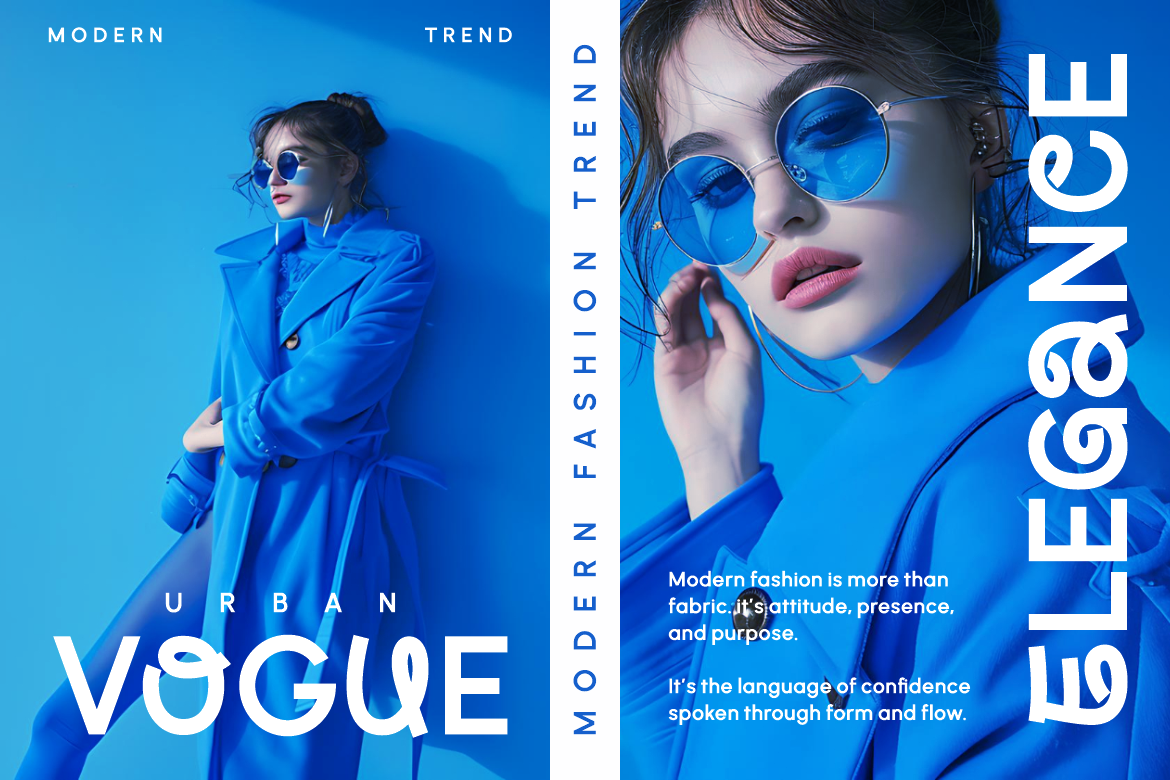
Velant Unique combines simplicity with a confident visual character. AI-assisted adjustments can create more dynamic layouts while maintaining clarity.
Best for:
- Fashion brands
- Accessories
- Lifestyle identity systems
This font works well in minimalist branding strategies.
Monokind Script – Clean Handwriting Style
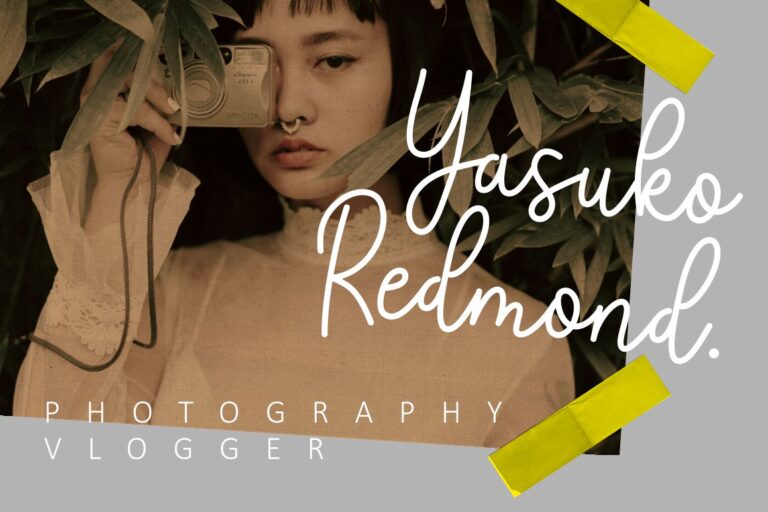
Monokind Script has a handwritten appearance that remains highly readable. AI can combine it with modern layouts or experimental effects for unique results.
Best for:
- Personal branding
- Creative projects
- Social media content
It adds a human touch without sacrificing usability.
Dreamy Stroke – Artistic and Expressive

Dreamy Stroke already carries a strong visual personality. With AI enhancement, it can appear even more natural and fluid.
Best for:
- Editorial design
- Creative campaigns
- Artistic branding
Its expressive strokes create emotional impact and uniqueness.
Glooma Display – Bold Bubble Display Font
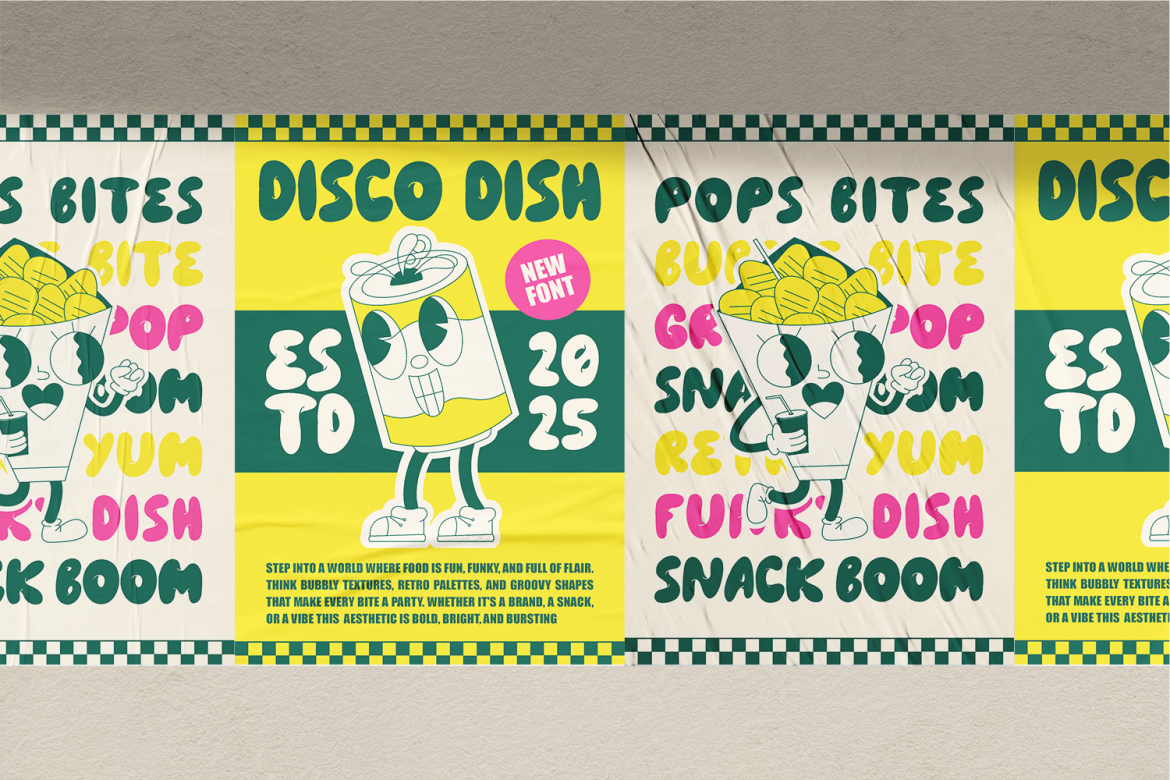
Glooma Display stands out with thick lines and playful bubble-inspired forms. AI tools can generate layout variations and creative visual treatments quickly.
Best for:
- Posters
- Youth-oriented branding
- Digital campaigns
This font is ideal for bold and attention-grabbing visuals.
Quick Summary Table
| Font | Characteristics | Best Use |
|---|---|---|
| Ironcore | Bold, modern sans | Branding, technology |
| Velant Unique | Minimal, strong | Fashion, accessories |
| Monokind Script | Clean handwriting | Personal branding |
| Dreamy Stroke | Artistic, expressive | Editorial, creative |
| Glooma Display | Bubble, thick display | Posters, youth branding |
Practical Benefits of AI Typography for Designers
AI-assisted typography is not just about speed. It creates practical advantages across multiple design areas.
Logo and Branding Design
Typography is one of the most important parts of brand identity. AI helps designers test and refine type-based logos more efficiently.
Benefits include:
- Faster font exploration
- Better visual consistency
- More precise typography adjustments
This is especially useful in modern branding projects where scalability and clarity are critical.
Posters and Advertising
Posters rely heavily on visual hierarchy and typography impact.
AI can help:
- Generate layout variations
- Improve text alignment
- Optimize readability and balance
This creates more visually engaging promotional materials.
Digital Content and Responsive Design
Typography must remain readable across:
- Mobile devices
- Tablets
- Desktop screens
AI tools can automatically optimize typography responsiveness while maintaining consistency.
Creative Experimentation
One of AI’s greatest strengths is rapid experimentation.
Designers can quickly:
- Explore multiple variations
- Test different typography moods
- Combine styles creatively
This accelerates the creative process without sacrificing quality.
Important Things Designers Should Remember
Despite its advantages, AI is still a tool, not a replacement for human creativity.
AI Cannot Replace Creative Direction
AI generates possibilities, but designers still decide:
- Brand relevance
- Emotional tone
- Storytelling direction
Human judgment remains essential.
Every Font Has Unique Character
Different fonts respond differently to AI manipulation. Some maintain clarity well, while others may lose their intended personality.
This is why font selection still matters.
Manual Evaluation Is Essential
AI can speed up production, but designers must evaluate:
- Readability
- Brand alignment
- Visual consistency
- Emotional impact
The final result should always feel intentional and human-centered.
Why AI Typography Is Growing Rapidly
Several factors are driving the growth of AI-assisted typography:
- Increased demand for digital content
- Faster branding cycles
- Need for responsive typography
- Growth of personalized branding
As visual communication becomes more competitive, designers need tools that improve both speed and quality.
The Future of Typography and AI
The future of typography will likely combine:
- Human creativity
- AI automation
- Adaptive design systems
Typography may eventually become more dynamic, personalized, and context-aware depending on user interaction and platform behavior.
However, strong design fundamentals will remain essential regardless of technological advancement.
Final Thoughts
The rise of AI in modern typography marks a major shift in how designers approach visual communication. AI helps streamline workflows, improve typography quality, and unlock new creative possibilities.
Fonts like Ironcore, Velant Unique, Monokind Script, Dreamy Stroke, and Glooma Display demonstrate how modern typography can evolve when paired with intelligent tools. Yet the most important element remains the designer’s creative vision.
AI can generate options, but meaningful design still depends on human storytelling, emotional understanding, and strategic thinking.
For more inspiration, creative tools, and high-quality fonts, platforms like Putracetol.com offer valuable resources to help you bring your ideas to life.
Additionally, if you want to explore some free typography options, you can check out Putracetol Studio on Dafont. Happy reading and designing!